



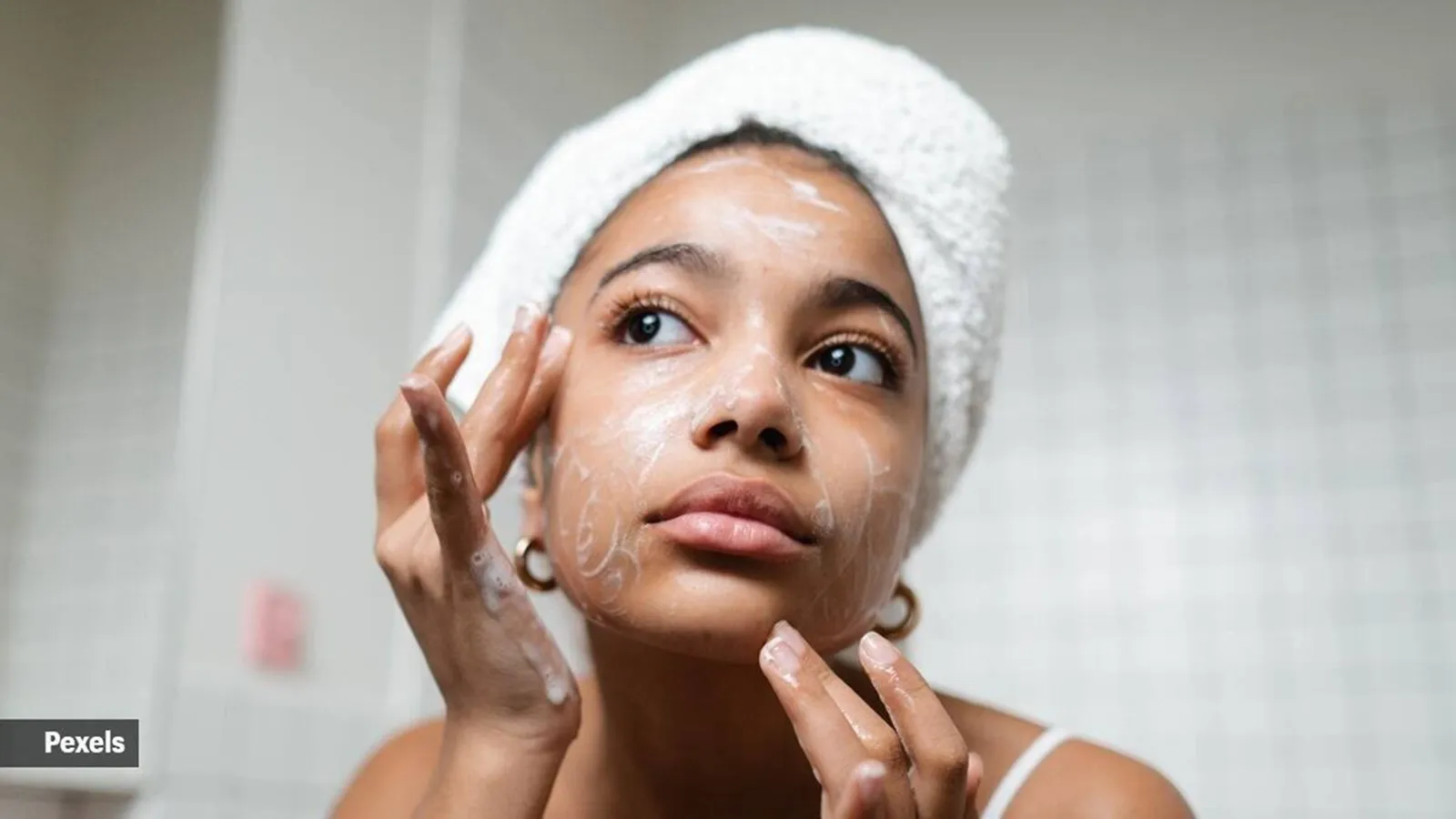
Skincare Tips: India’s diverse climate can present different challenges for the skin throughout the year. Following the right skincare tips for Indian weather can help manage concerns caused by heat, humidity, pollution, dust, dry winters, and prolonged sun exposure.
Because skin needs can change with the environment, a skincare routine that works during winter may not be equally suitable during the hot and humid months. Understanding these seasonal changes can help you choose appropriate skincare products and maintain a healthy skin barrier.
How India’s Climate Affects Your Skin: Skincare Tips for Every Season

Indian weather can expose the skin to varying levels of heat, humidity, ultraviolet (UV) radiation, dust, and pollution. These environmental factors can affect oil production, hydration, and skin sensitivity.
Common concerns may include:
- Excess oil and clogged pores
- Acne and breakouts
- Dryness and flakiness
- Tanning and uneven pigmentation
- Irritation and sensitivity
- Heat-related skin discomfort
- Signs of premature skin ageing
Your skincare routine should therefore be adjusted according to the season, skin type, and individual needs.
1. Make Sunscreen a Daily Essential
Sun protection is an important part of skincare in India because UV exposure occurs throughout the year. Regular exposure to UV radiation can contribute to:
- Sunburn
- Tanning
- Pigmentation and dark spots
- Premature skin ageing
- Collagen damage
Look for a broad-spectrum sunscreen with an appropriate SPF and choose a texture that suits your skin type. Lightweight or gel formulations may be comfortable for oily skin, while cream-based formulations may work better for dry skin.
Sunscreen should be applied adequately and reapplied when needed, particularly after sweating, swimming, or prolonged outdoor exposure.
2. Adjust Cleansing to the Season
Cleansing helps remove sweat, excess oil, dirt, and environmental pollutants from the skin. However, excessive cleansing can irritate the skin barrier.
During Summer
These are some of the most useful skincare tips for Indian weather during summer, when heat and sweating can increase oil production and make the skin feel uncomfortable.
For acne-prone skin, products containing ingredients such as salicylic acid may be useful for some people, but they should be selected according to individual skin needs.
During Winter
Cold and dry conditions can increase dryness and sensitivity. A gentle, hydrating, or soap-free cleanser can help minimise moisture loss.
3. Moisturise Every Day
Moisturising is important for maintaining the skin barrier, including for people with oily skin.
For Oily Skin
Consider:
- Lightweight gel moisturisers
- Oil-free formulations
- Non-comedogenic products
For Dry Skin
Consider:
- Richer cream-based moisturisers
- Ceramide-containing formulations
- Hydrating ingredients such as hyaluronic acid
The right moisturiser can help reduce dryness, flaking, and irritation while supporting the skin barrier.
4. Pay Attention to Hydration
One of the most important skincare tips for Indian weather is to use sunscreen regularly. Sun exposure can occur throughout the year, even when the weather feels cooler.
Signs may include:
- Skin tightness
- Dull appearance
- Increased sensitivity
- Visible fine lines
Adequate fluid intake and a moisturising skincare routine can support overall skin health. Hydrating serums may also be useful depending on individual skin needs.
5. Modify Your Routine During Monsoon
Following simple skincare tips for Indian weather during monsoon can help manage excess oil, sweat, humidity, and clogged pores.
Useful habits include:
- Cleansing gently twice daily when appropriate
- Using lightweight moisturisers
- Avoiding unnecessarily heavy makeup
- Changing out of damp or sweaty clothing
- Keeping skin folds clean and dry
- Seeking professional advice if a persistent rash or infection develops
Persistent or unusual skin problems should not be treated with unverified home remedies.
6. Exfoliate Carefully
Exfoliation can help remove dead skin cells and improve the appearance and texture of the skin. However, excessive exfoliation can damage the skin barrier and increase irritation.
If exfoliation is suitable for your skin, gentle chemical exfoliants may be considered rather than aggressive physical scrubs. Frequency should depend on the product, skin type, and tolerance.
People with sensitive or irritated skin should consider seeking professional advice before introducing exfoliating acids.
7. Protect Your Skin from Pollution

Urban environments can expose the skin to dust and air pollutants. These may contribute to irritation, dullness, and other skin concerns.
Helpful habits include:
- Cleansing the skin appropriately after significant pollution exposure
- Using antioxidant skincare products when suitable
- Maintaining good skin-barrier hydration
- Avoiding unnecessary touching of the face
A consistent skincare routine is generally more useful than using a large number of products.
8. Maintain a Balanced Diet
Skin health is influenced by overall nutrition and lifestyle as well as topical skincare. A balanced diet can include:
- Fresh vegetables
- Fruits
- Adequate protein
- Healthy sources of fats
- Water-rich foods
Some people may notice that particular dietary patterns affect conditions such as acne. Persistent acne or other skin problems should be evaluated individually rather than attributed to diet alone.
9. Be Careful with DIY Skincare
Not every skincare trend shared on social media is suitable or safe for the skin. Avoid experimenting with potentially irritating substances such as:
- Lemon juice directly on the skin
- Toothpaste on pimples
- Aggressive scrubbing
- Unverified acid combinations
- Unproven home remedies
These practices can cause irritation, burns, pigmentation, or skin-barrier damage.
When dealing with a persistent skin concern, evidence-based professional guidance is preferable to unverified online remedies.
10. Know When to Consult a Dermatologist
Professional evaluation may be appropriate for persistent or worsening concerns such as:
- Chronic or severe acne
- Persistent pigmentation
- Eczema or recurring rashes
- Skin allergies
- Unexplained hair loss
- Significant sensitivity
- Persistent changes in skin texture or appearance
A dermatologist can assess the underlying concern and recommend treatment according to the individual’s skin type, medical history, and environmental factors.
Why Seasonal Skincare Matters
Every person does not have one skincare routine that fits all seasons. A skincare routine that feels good in India’s winter may need changes during hot summer or humid monsoon. Seasonal tweaks help keep skin in control of extra oil, protect the skin barrier, and cut down on irritation that can be avoided. The aim is not to add products but to use the correct products carefully and the right way.
Final Thoughts
Living in India means your skin has to deal with a lot of heat, humidity, and UV radiation. On top of that,t dust and pollution are always around. I have found that small habits make a difference. You should use sun protection every day, wash your face the right way,y and use moisturizer regularly. Drinking plenty of water and staying hydrated is also key. It would also suggest that you avoid using DIY treatments on your face.
There is no best skincare routine for everyone. The best skincare routine depends on your skin type and the environment you live in. If your skin problems do not go away. If they start to hurt, please go see a dermatologist. A dermatologist can help you figure out the way to fix your skin.
Read More..
Wipro Consumer Care Acquires Dermatouch for ₹387.5 Crore, Enters Digital-First Premium Skincare.
I-Beauty vs K-Beauty: Which Could Dominate India’s Skincare Market?