


DR Congo Ebola Cases Reach 4,449 as Death Toll Rises to 2,061
The Ebola outbreak in the Democratic Republic of Congo has passed another grim milestone, with 4,449 confirmed cases and 2,061 confirmed deaths recorded as of Tuesday, according to government data reported on Wednesday.
The figures show how quickly the outbreak has intensified. Reuters reported just a day earlier that 4,381 confirmed cases and 2,011 deaths had been recorded. The latest increase means the outbreak is continuing to expand despite efforts to identify infections, trace contacts and isolate patients.
The outbreak is being driven by the Bundibugyo species of Ebola virus, a relatively rare form of the disease that presents an unusual challenge for health authorities because there is currently no approved vaccine or specific treatment for it. Supportive medical care remains an important part of treatment, while researchers and health agencies continue to evaluate potential medical countermeasures.
Why the latest numbers are concerning
The latest figures put the confirmed case-fatality ratio at roughly 46%, although the ratio can change as additional cases are identified and outcomes become known.
What makes the current outbreak particularly difficult is its speed. Reuters has described it as the fastest-spreading Ebola outbreak recorded so far, with delayed detection, insecurity and strained healthcare services all contributing to the difficulty of containing transmission.
The outbreak is also no longer confined to a single location. WHO’s July update said confirmed cases had been reported across five provinces in the DRC, including Ituri, North Kivu, South Kivu, Haut-Uele and Tshopo.
That geographic spread matters because the affected parts of eastern and northeastern Congo have significant population movement, trade routes and humanitarian challenges. WHO has warned that difficult access and highly mobile populations can make contact tracing harder, increasing the risk that people exposed to the virus are missed.
The outbreak began before officials declared it
The timeline has emerged as one of the most important parts of the story.
The DRC officially declared its 17th Ebola outbreak on May 15, 2026, after laboratory testing confirmed Bundibugyo virus in samples from Ituri province. WHO declared the situation a public health emergency of international concern two days later.
But investigations later indicated that transmission had begun considerably earlier.
Recent reporting citing WHO findings said the virus may have been circulating since February, months before the official outbreak declaration. Early Ebola cases can be difficult to distinguish from diseases such as malaria and typhoid without laboratory testing, which can delay recognition of an outbreak.
That delay is significant because Ebola control depends heavily on finding cases quickly and identifying people who may have been exposed.
A virus without an approved vaccine
The strain involved in the outbreak creates another major challenge.
Vaccines and treatments developed for other Ebola species cannot simply be assumed to provide the same protection against Bundibugyo virus. WHO says there is currently no licensed vaccine or specific therapeutic treatment for Bundibugyo virus disease.
That does not mean doctors have no way to help patients. Early diagnosis, isolation, infection prevention, careful clinical management, fluids and other supportive measures remain central to reducing deaths.
But the absence of an approved vaccine removes one of the most powerful tools that has been used during previous Ebola responses.
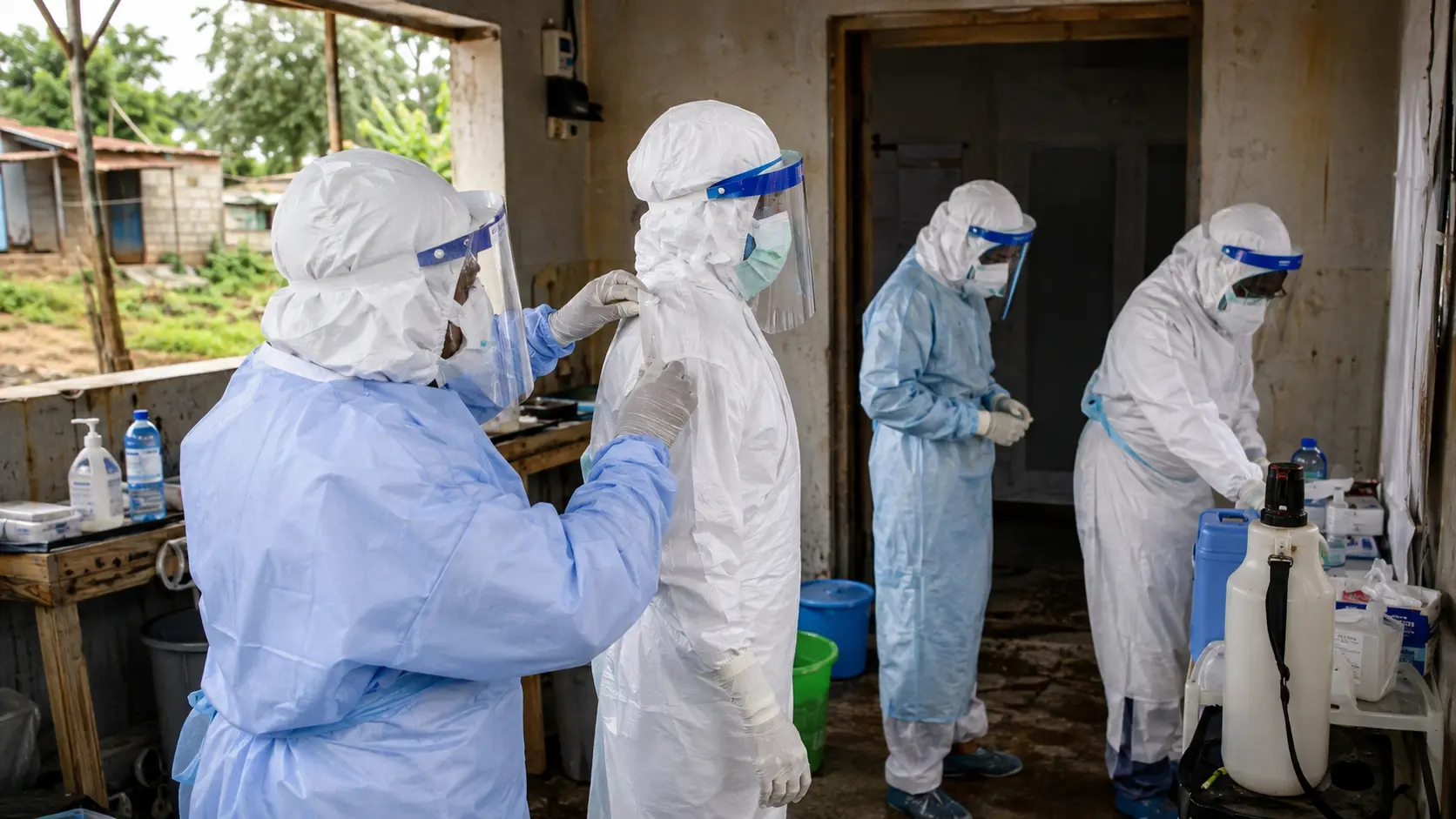
WHO says the response therefore depends heavily on rapid detection, laboratory confirmation, isolation and care of patients, contact tracing, safe burials and sustained engagement with affected communities.
Conflict and mistrust are complicating the response
The health emergency is unfolding in an environment where medical teams face problems that go beyond the virus itself.
Eastern Congo has experienced prolonged insecurity and humanitarian crises. WHO has identified insecurity, population movement, difficult access and gaps in healthcare infrastructure as major obstacles to controlling the outbreak.
Recent reporting has also highlighted shortages of supplies, difficulties paying health workers and mistrust or misinformation within some communities. These problems can make people less likely to seek care early or cooperate with contact-tracing teams, giving the virus more opportunities to spread.
The challenge is especially serious when many infections cannot immediately be linked to known transmission chains. Reuters reported that a large share of new infections were emerging outside previously identified chains, suggesting that surveillance teams were struggling to keep pace with transmission.
Uganda and the wider regional risk
The outbreak also has implications beyond Congo’s borders.
Uganda reported imported Bundibugyo infections linked to travel from the DRC earlier in the outbreak. WHO’s July update said Uganda had not recorded new cases since June 21 and that the most recent patient had been discharged after receiving two negative test results.
The cross-border dimension remains important because eastern DRC is connected to neighboring countries through trade, migration and humanitarian movement. WHO has emphasized the need for cross-border surveillance and preparedness.
For now, the principal concern remains containment inside the DRC, where the overwhelming majority of confirmed cases have been reported.
What happens next
The immediate priority for health authorities is to slow transmission before the gap between new infections and the response grows even wider.
That means expanding testing capacity, finding patients earlier, strengthening contact tracing and ensuring healthcare workers can safely reach affected communities. WHO has also emphasized community engagement as a central part of the response.
The latest numbers also underline a longer-term problem: an outbreak can become much harder to control when detection comes late, healthcare systems are under pressure and people cannot reliably access treatment.
The DRC has faced repeated Ebola outbreaks since the disease was first identified there in 1976. WHO says the current outbreak is the country’s 17th Ebola outbreak. The previous DRC Ebola outbreak, declared in September 2025, was much smaller, with 64 cases and 45 deaths reported before it was declared over in December.
The question now is whether international and Congolese health authorities can close the gap between the virus’s rapid spread and the ability to find and isolate infections.
With more than 4,400 confirmed cases and 2,000 deaths already recorded, the answer will depend not only on medical resources but also on whether surveillance teams can reach communities quickly enough to identify the infections that are still hidden.
Trump’s Secret Turkey Flight Reveals the Security Risks Behind the Air Force One Switch
Jurors Find Suspected Drugs and Chinese Yuan Hidden in Evidence During D.C. Trial
Colombia Earthquake: Death Toll Reaches 132 After 7.4-Magnitude Quake, Rescue Efforts Continue