



Personalized Skincare : People in India are starting to realize that one single skincare product or routine cannot work for every person. Since more shoppers now look closely at ingredients and use the internet to learn, personalized skincare is becoming one of the trends to watch in 2026.
Brands are working hard to match skincare products to what each person needs. They are doing this throughskin-type- formulations, online consultations, AI-powered skin analysis, and customized product recommendations.
This change shows how much the way people shop has shifted. Indian shoppers are no longer just asking, “Which skincare brand is popular?” Instead, Indian shoppers are asking, “Which product is right for my skin?”
What Is Personalized Skincare?
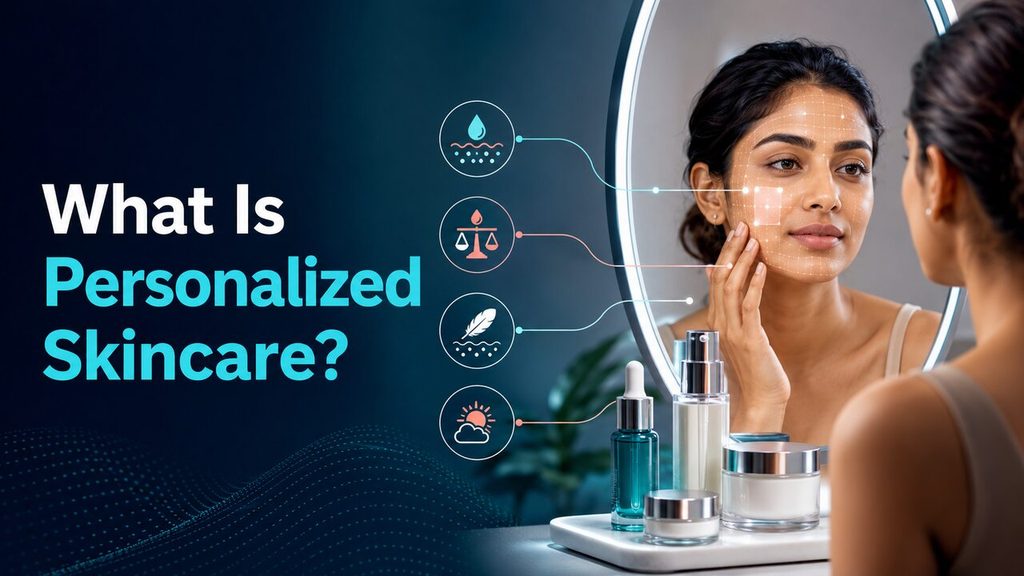
Personalized skincare refers to products, routines, or recommendations designed around an individual’s specific characteristics.
These can include:
- Skin type
- Age
- Climate
- Skin concerns
- Lifestyle
- Existing skincare routine
- Ingredient preferences
- Sensitivity
- Personal goals
In its simplest form, personalization can mean recommending a different cleanser or moisturiser for oily skin versus dry skin.
At the more advanced end, brands are experimenting with digital diagnostics, questionnaires, artificial intelligence, and customized formulations.
Why Personalized Skincare Is Growing in India
People in India are starting to realize that one single skincare product or routine cannot work for every person. Since more shoppers now look closely at ingredients and use the internet to learn, personalized skincare is becoming one of the trends to watch in 2026.
Brands are working hard to match skincare products to what each person needs. They are doing this through skin-type formulations, online consultations, AI-powered skin analysis, and customized product recommendations.
This change shows how much the way people shop has shifted. Indian shoppers areno longer just asking, “Which skincare brand is popular?” Instead, Indian shoppers are asking, “Which product is right for my skin?”
India’s Diversity Makes Personalization Particularly Relevant
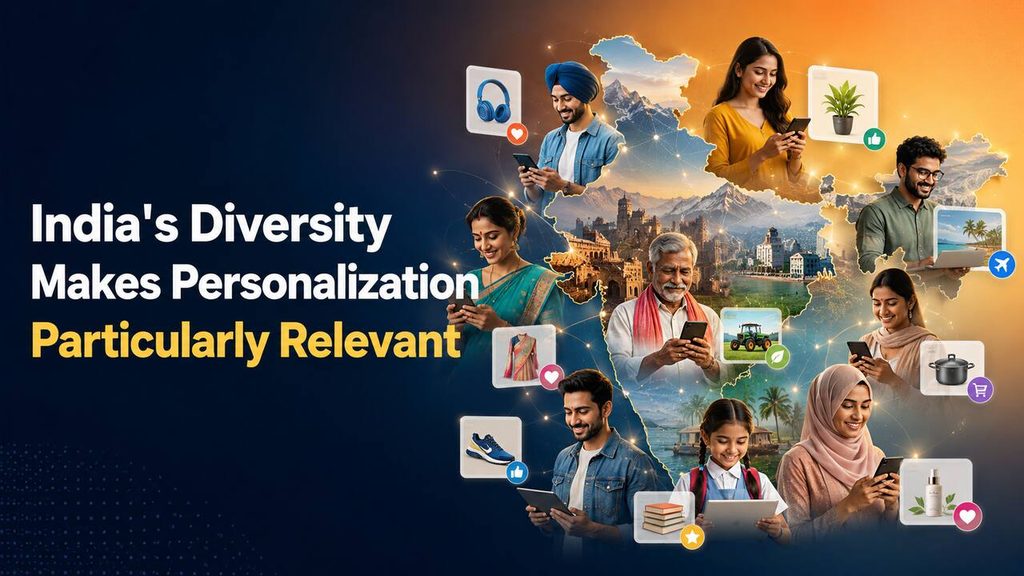
India does not have a single skincare environment
Consumers live across regions with dramatically different:
- Temperatures
- Humidity levels
- Pollution exposure
- Water conditions
- Sun exposure
- Lifestyles
Someone living in a hot and humid coastal city may prefer a lightweight moisturiser, while someone in a dry northern climate may need richer barrier-supporting skincare. Even within the same city, two people can have completely different skin types and concerns. That makes personalization particularly relevant to the Indian market.
From Skin Type to Skin Concern
Traditional skincare marketing often divides consumers into broad categories:
Dry skin.
Oily skin.
Combination skin.
Normal skin.
Personalized skincare is expanding that approach.
A consumer might simultaneously have:
- Oily skin
- Dehydration
- Acne
- Post-acne pigmentation
- Sensitivity
Instead of treating these characteristics as mutually exclusive, newer skincare approaches attempt to build routines around the combination.
AI Is Entering the Skincare Conversation
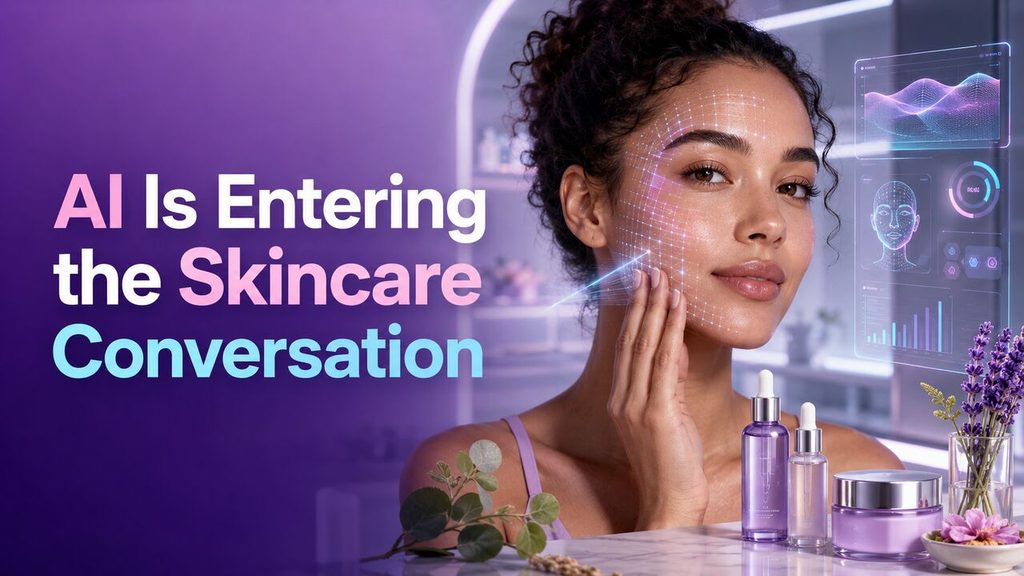
Artificial intelligence is becoming one tool for personalization. Digital skincare platforms can use questionnaires, photographs, or other inputs to recommend products or routines. The technology can possibly make skincare recommendations easier for people who are buying things online. Artificial intelligence-based skin analysis should not be mistaken for a medical diagnosis. Lighting, camera quality, image processing, and the algorithm itself can change the outcome. Skin issues that last a long time or are serious should still be checked by a trained dermatologist.
Online Skin Consultations Are Changing Product Discovery
The rise of e-commerce has made it much easier to give people recommendations.
Instead of going to a physical store and picking things off a shelf, people can now:
- Complete a skin questionnaire.
- Describe their concerns.
- Receive product recommendations.
- Purchase online.
- Track their experience.
- Adjust their routine.
This process builds a connection between the consumer and the brand.
For companies, data can show what consumers want and which skin concerns are the most common.
Indian Brands Are Exploring Personalization
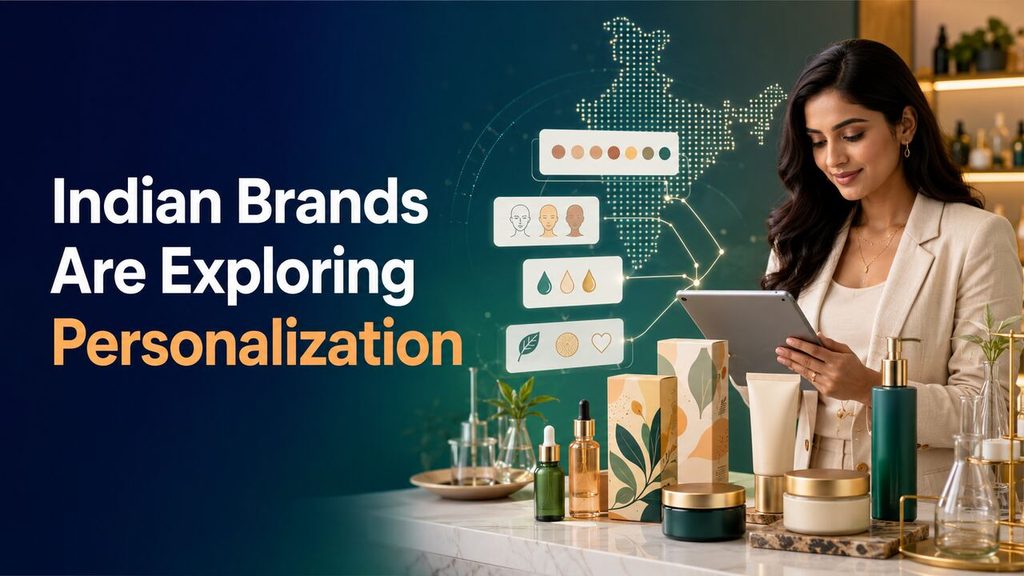
Personalization is not just for international skincare companies.
Indian beauty and wellness brands are also trying out things like customized routines, diagnostic tools, ingredient-led products, and skin-specific recommendations.
This matters a lot because Indian beauty and wellness brands have to compete in a market where people always compare products based on ingredients, efficacy, and value.
Research from Mintel on India’sbeauty market shows that people in India are moving toward skincare that actually works and is based on evidence.
For beauty and wellness brands, personalization can be a great way to stand out in such a crowded market.
The Growing Role of Skin Diagnostics
One of the most important developments is the expansion of digital skin diagnostics.
A consumer may be asked questions about:
- Oiliness
- Dryness
- Sensitivity
- Acne
- Pigmentation
- Fine lines
- Sun exposure
- Current products
Some platforms may also analyze a photograph. The goal is to turn a broad skincare category into a more targeted recommendation but the quality of personalization depends on the quality of the information being collected.
A five-question quiz is unlikely to understand every factor affecting someone’s skin.
read more,