





A genetically edited pig kidney Transplant helped kidney-failure patient Tim Andrews remain dialysis-free for 271 days before he received a human donor kidney. His case marks a major milestone in xenotransplantation and provides new evidence that a pig kidney could potentially serve as a bridge while patients wait for a human transplant.
Pig Kidney Transplant Patient Later Receives Human Kidney

Furthermore, there was another breakthrough for this method when Tim Andrews, suffering from end-stage kidney disease, received his first genetically modified pig kidney and then his second – a human kidney from a donor.
In January 2025, in Massachusetts General Hospital, Tim Andrews received a genetically modified pig kidney. It worked for 271 days, after which it was gradually destroyed and became dysfunctional. In January 2026, Andrews received a deceased-donor human kidney, which immediately started working.
It seems that scientists believe that this experience is significant and may help in using xenotransplantation as an intermediate stage for patients with end-stage kidney disease before receiving the donor kidney.
Nevertheless, it should be noted that this procedure is extremely experimental.
What Happened to Tim Andrews?

Tim Andrews had been 66 years old when he underwent the procedure of transplantation of genetically edited pig kidney in January 2025.
Andrews suffered from end-stage kidney disease and had been on dialysis for more than two years prior to the transplantation. The transplantation of the pig kidney was conducted under FDA Expanded Access Investigational New Drug application.
Andrews’ kidney started working right after the transplantation and Andrews stopped dialysis. Early onset of the T-cell-mediated rejection was reversed successfully by increased immunosuppression. Scientists also were monitoring Andrews for kidney function, rejection, antibodies, and potential transmission of infections from the pig. There were no cases of pathogen transmission from the pig to the patient.
Around six months later the immunosuppression was decreased because Andrews got infected. As a result, the pig kidney started developing microvascular damage and inflammation resulting in kidney failure.
Finally, after 271 days, the xenotransplantation of the kidney was removed.
Andrews was provided with deceased-donor human kidney which started functioning immediately.
How Long Did the Pig Kidney Work?
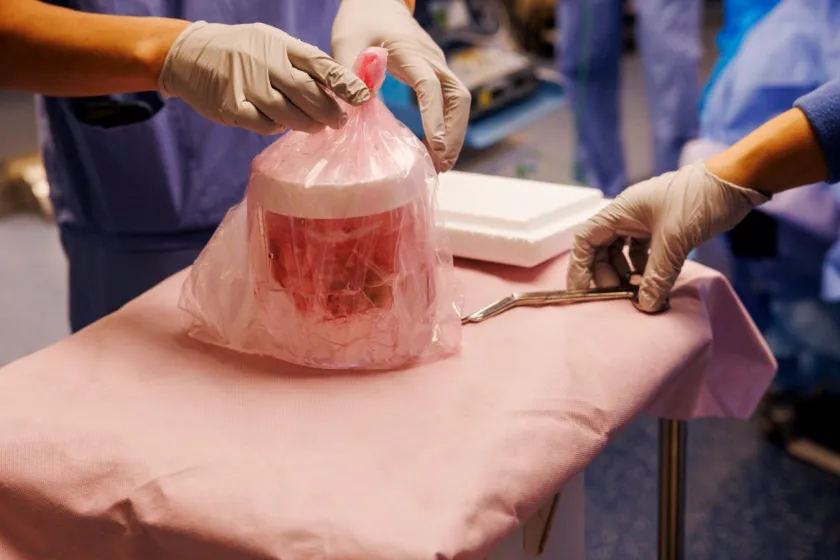
The gene-edited pig kidney worked for Tim Andrews for 271 days, or about nine months, without dialysis.
This is the longest recorded survival without dialysis after a kidney transplantation from a pig into a living human, and it is the first case where the patient got a human kidney transplant afterward.
The significance of the 271 days lies in the fact that scientists are studying whether xenotransplantation can sustain people while waiting for a human organ to become available.
Key facts about the case
| Detail | Information |
| Patient | Tim Andrews |
| Age at xenotransplant | 66 |
| Disease | End-stage kidney disease |
| Animal organ | Genetically edited pig kidney |
| Transplant hospital | Massachusetts General Hospital |
| Pig kidney transplant | January 25, 2025 |
| Dialysis-free period | 271 days |
| Human kidney transplant | January 2026 |
| Research publication | The Lancet, September 2026 |
The Harvard Medical School report says Andrews’ case is the first documented transition from a pig kidney transplant to a human kidney transplant.
What Is a Pig Kidney Transplant?
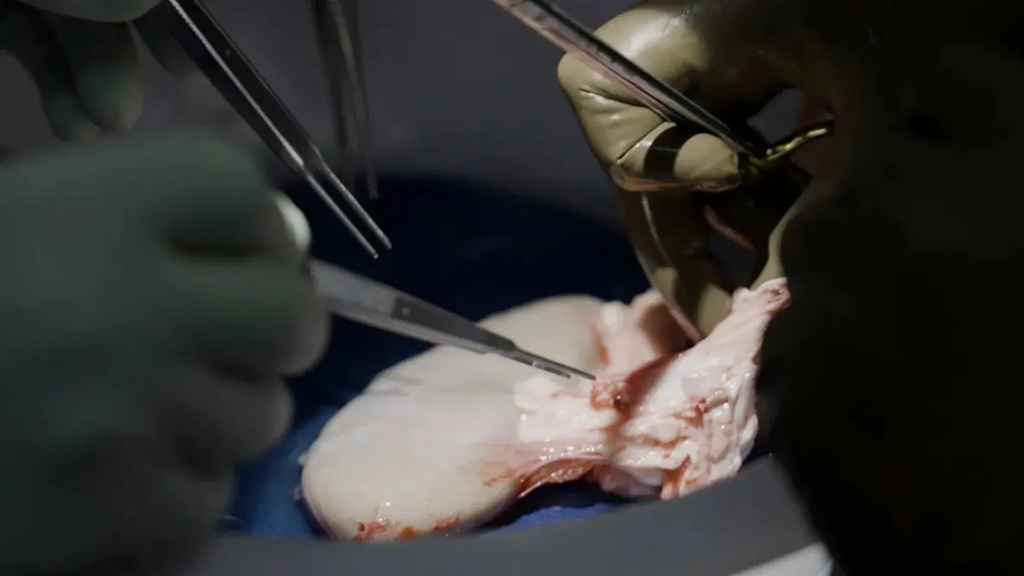
Pig Kidney Transplant – Transplant of a kidney from a pig to a human patient, which is referred to medically as porcine kidney xenotransplantation, entails transferring the kidney from the pig to a human being.
The problem is that of the human immune system. This is because the pig kidney is not similar to a human kidney; hence, the immune system will recognize it as a foreign body.
Researchers have tried to surmount this difficulty through genetic modification of donor pigs and immunosuppression strategies.
According to the FDA, xenotransplantation entails transplantation, implantation, or infusion of living cells, tissues, or organs from nonhuman animal sources to human recipients.
How Are Pig Kidneys Genetically Modified?
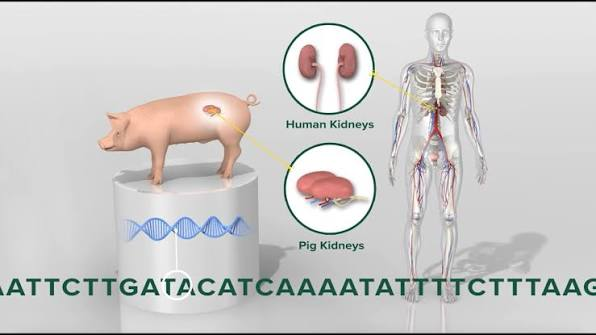
The pig kidney used in the pioneering Mass General procedures was genetically engineered to make it more compatible with the human immune system.
Earlier research described 69 genomic edits made to the donor pig kidney using CRISPR-Cas9 and related genetic engineering approaches. These modifications included removing pig genes associated with immune reactions, adding selected human genes and inactivating porcine endogenous retroviruses.
The goal is to address three major problems:
- Reduce the likelihood of immediate immune rejection.
- Improve biological compatibility between the pig organ and human recipient.
- Reduce the risk of pig-derived viral transmission.
These modifications are a major reason xenotransplantation has progressed from laboratory research toward human clinical trials.
Why Is Xenotransplantation Important?
The largest driving force for the transplantation of pig kidneys comes from the scarcity of human organs for donation.
Scientists believe that genetically engineered pigs can become another source of organs.
Dr. Leonardo Riella, a scientist at the Harvard Medical School and medical director of the kidney transplantation at Mass General Brigham, believes that the use of xenotransplantation can be used as a bridge that will help the patients to avoid dialysis before the transplant of the human kidney.
In case of kidney disease, a human kidney can have many advantages over a situation when the person has to stay on dialysis. But not all the people get their human organ fast enough.
According to the FDA, the demand for human organs for transplant is much greater than the supply.
Is a Pig Kidney Transplant Safe?
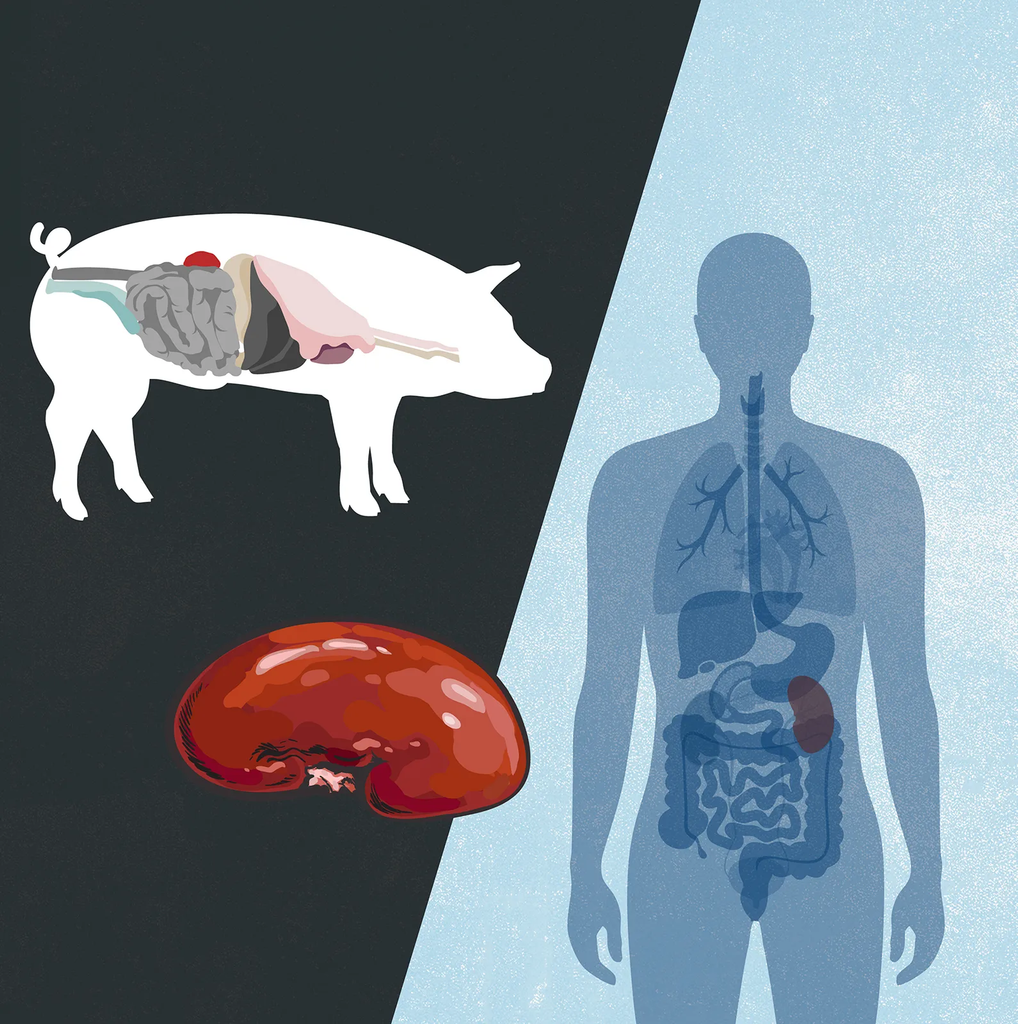
The safety of xenotransplantation with pig kidney has not yet been determined.
From early cases of xenotransplantation in humans, it has been seen that genetically engineered pig kidneys can work in humans; however, problems like rejection, inflammation, and graft damage were seen as well.
In the case of Andrews, the early instance of T-cell mediated rejection could be treated effectively; later, microvascular damage and inflammation led to the failure of the xenograft kidney.
It is suggested by researchers that these results can help in developing ways for improving genetic engineering, immunosuppression, and surveillance.
This shows that it is a promising technique which still needs to be studied.
Patients should not opt for this experimental treatment in place of clinically tested kidney transplant.
What Was the First Pig Kidney Transplant in a Living Human?

The transplantation of a genetically modified kidney from a pig to a human being occurred in March 2024 in Massachusetts General Hospital.
This surgery was conducted on Richard “Rick” Slayman who was 62 years old and suffering from end-stage kidney disease on March 16, 2024. The Massachusetts General Hospital, which belongs to Harvard University, announced that this was the first successful transplantation of the genetically modified pig kidney into a live person.
Slayman lived for 52 days, and later on he died of heart problems; however, the result of this case confirmed that there was no evidence of death caused by rejection of the xenotransplant.
This Slayman’s experiment became the proof of concept, while Andrew’s experiment gave extra proof that a kidney of the pig could work for a human being for a long period of time.
How Is Tim Andrews’ Case Different From the 2024 Transplant?
The two cases represent different milestones.
Richard Slayman became the first living human to receive a genetically edited pig kidney in March 2024.
Tim Andrews subsequently became the first reported patient to live dialysis-free for 271 days following a pig kidney xenotransplant and then receive a human donor kidney.
The progression can be summarized as:
2024 → First genetically edited pig kidney transplant in a living human
2025 → Tim Andrews receives a genetically edited pig kidney
271 days → Andrews remains without dialysis
2026 → Andrews receives a human donor kidney
This progression illustrates how xenotransplantation research is moving from isolated experimental procedures toward structured clinical investigation.
Could Pig Kidneys Solve Organ Shortage?
Pig kidneys could potentially become an additional source of organs, but it is too early to say that they will solve the global organ shortage.
Researchers still need to determine:
- How long genetically modified pig kidneys can function in humans.
- How immune rejection can be controlled safely.
- Which genetic modifications provide the greatest benefit.
- How immunosuppressive treatment should be optimized.
- How infectious risks can be monitored over the long term.
- Which patients are most likely to benefit.
- Whether the approach can produce consistent outcomes across larger patient groups.
The first clinical trials are particularly important because individual compassionate-use cases cannot establish how well a treatment will work across a broad population.
Are Pig Kidney Transplants Being Tested in Clinical Trials?
Absolutely, yes. This area of research has advanced from case-by-case examples to formal clinical research.
In 2025, The Food and Drug Administration of The United States approved clinical studies on genetically engineered pig kidneys, which is a step towards systematization of xenotransplantation studies.
The aim of these clinical trials is to find out whether genetically engineered pig kidneys can be used in humans who have kidney problems.
Also, such clinical trials will allow finding the right level of immunosuppression and some complications which might not be discovered in single cases.
What Does This Mean for People With Kidney Failure?
For patients with end-stage kidney disease, the development is encouraging—but it is not yet a routine treatment option.
The immediate significance of Andrews’ case is that it demonstrates a potential future pathway:
Pig kidney → dialysis-free period → human donor kidney
Such a strategy could theoretically help some patients remain off dialysis while waiting for a human kidney.
Researchers still need to establish whether this approach can be reproduced safely in larger groups of patients and whether pig kidneys can function reliably for longer periods.
Frequently Asked Questions
Can a human receive a kidney from a pig?
Yes. Genetically modified pig kidneys have been transplanted into living human recipients under experimental and expanded-access protocols. The procedure is known as xenotransplantation.
How long did Tim Andrews live with a pig kidney?
Tim Andrews lived with a genetically edited pig kidney for 271 days without dialysis before the kidney developed progressive injury and was removed. He subsequently received a human donor kidney.
Who was the first person to receive a genetically edited pig kidney?
Richard “Rick” Slayman became the first living human recipient of a genetically edited pig kidney when surgeons at Massachusetts General Hospital performed the transplant on March 16, 2024.
Did the pig kidney permanently replace Tim Andrews’ kidney?
No. The pig kidney eventually developed microvascular injury and inflammation and failed after 271 days. Andrews subsequently received a deceased-donor human kidney.
Is pig kidney transplantation available to the public?
No. Pig kidney xenotransplantation remains an experimental medical approach. Clinical trials and additional research are needed before its long-term safety and effectiveness can be established.
Why are scientists using pigs for organ transplantation?
Pigs are being investigated because their organs can be genetically modified and are sufficiently similar in size and physiology to humans to make them potential organ donors. The FDA identifies pigs as the donor animal of choice for xenotransplantation products.
What is the biggest challenge with pig kidney transplantation?
One of the biggest challenges is controlling the human immune response to the pig organ. Researchers are addressing this through genetic engineering and specialized immunosuppressive treatments.
The Future of Pig Kidney Transplantation
Tim Andrews’ case represents an important step in the development of xenotransplantation.
The significance is not simply that a pig kidney functioned inside a human. More importantly, the case demonstrates a potential future role for an animal-derived organ as a temporary bridge to human transplantation.
At the same time, the failure of the pig kidney after 271 days highlights the scientific challenges that remain.
Future clinical trials will determine whether researchers can make these organs safer, more durable and more predictable.
For now, genetically edited pig kidneys should be viewed as an emerging experimental technology—not a replacement for established kidney transplantation.
Medical Sources and Fact-Checking
This article is based on information from primary and authoritative medical sources, including Harvard Medical School, Massachusetts General Hospital, The Lancet, New England Journal of Medicine, the U.S. Food and Drug Administration and Harvard-affiliated research institutions.