

दुनिया में Cancer का बोझ लगातार बढ़ रहा है। WHO के Global Status Report on Cancer 2026 के अनुसार, दुनिया में हर साल करीब 20.6 million नए cancer cases सामने आ रहे हैं और करीब 10 million लोगों की cancer से मौत होती है। अगर मौजूदा trends और prevention gaps जारी रहे, तो 2050 तक annual new cancer cases लगभग 35 million तक पहुंच सकते हैं।
लेकिन इसका मतलब यह नहीं है कि हर cancer केवल lifestyle की वजह से होता है। Cancer एक complex disease है, जिसमें उम्र, genetics, infections, environmental exposures और lifestyle सभी की भूमिका हो सकती है।
अच्छी खबर यह है कि WHO और IARC के 2026 analysis के अनुसार, 2022 में सामने आए लगभग 37% नए cancer cases यानी करीब 7.1 million cases preventable causes से जुड़े थे।
दुनिया में Cancer के मामले क्यों बढ़ रहे हैं?
Cancer cases बढ़ने के पीछे एक ही कारण नहीं है। सबसे महत्वपूर्ण कारणों में population ageing और growth, lifestyle में बदलाव, tobacco और alcohol exposure, obesity, physical inactivity, infections, air pollution और healthcare access में असमानता शामिल हैं।
IARC के अनुसार 2022 के लगभग 20 million नए cases से 2050 तक 35 million तक पहुंचने की projection करीब 77% increase दर्शाती है। इसका एक बड़ा हिस्सा बढ़ती और ageing population से जुड़ा है, जबकि risk-factor exposure भी महत्वपूर्ण भूमिका निभाता है।
इसलिए “लोग पहले से ज्यादा unhealthy हैं, इसलिए cancer बढ़ रहा है” कहना अधूरा होगा। Population ageing अकेले भी cancer cases बढ़ा सकती है, क्योंकि cancer का risk उम्र बढ़ने के साथ काफी बढ़ता है।
Cancer Risk Factors क्या होते हैं?
Cancer risk factors वे चीजें या परिस्थितियां हैं जो किसी व्यक्ति में cancer विकसित होने की संभावना बढ़ा सकती हैं।
इनमें कुछ factors हमारे control में होते हैं, जैसे tobacco, alcohol, physical inactivity और unhealthy diet। कुछ factors जैसे age और inherited genetic changes को हम बदल नहीं सकते।
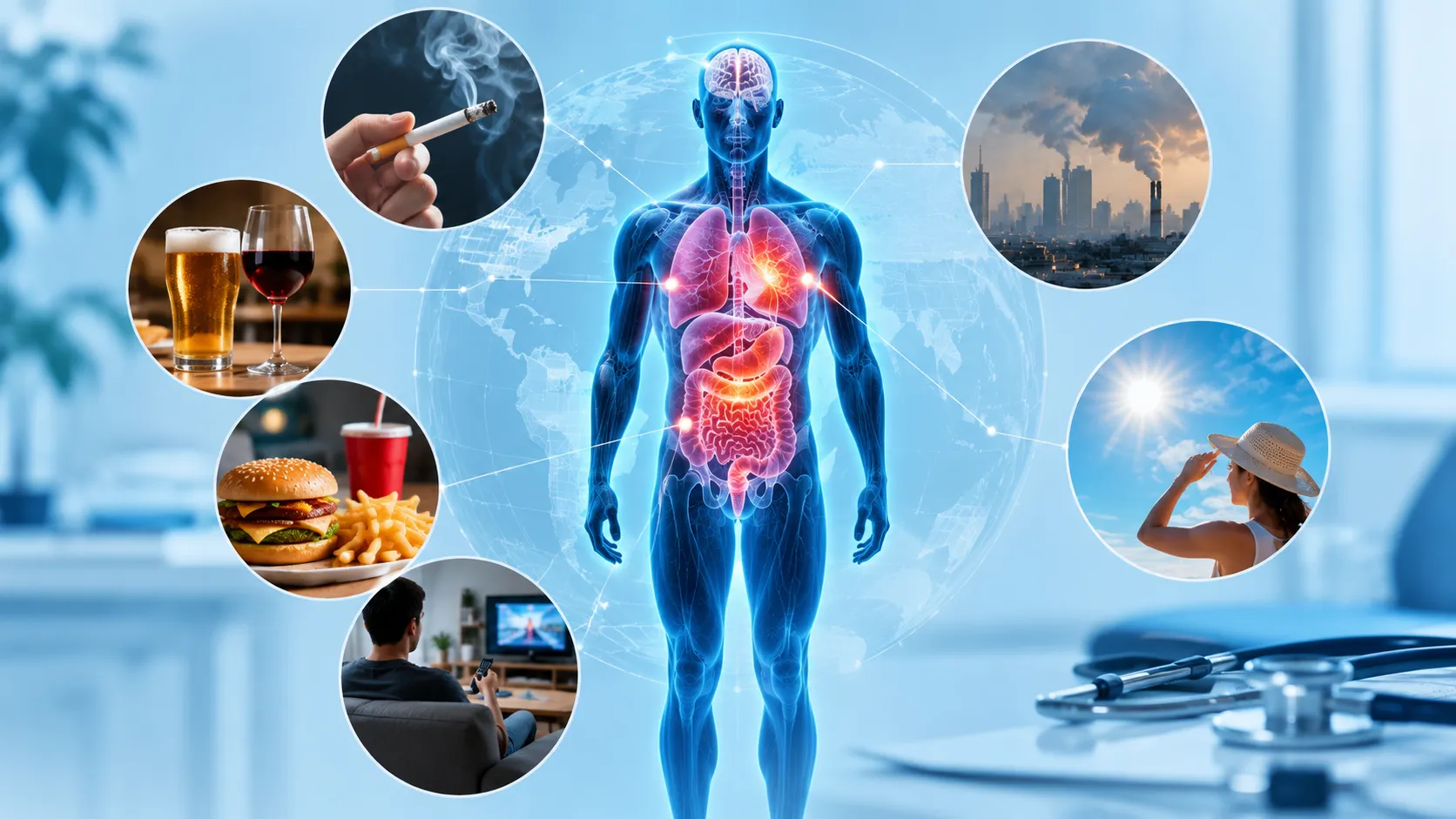
WHO के अनुसार tobacco, alcohol, unhealthy diet, physical inactivity और air pollution प्रमुख cancer risk factors हैं। कुछ chronic infections भी cancer का कारण बन सकती हैं।
1. Tobacco और Smoking सबसे बड़े preventable risk factors में
अगर cancer risk factors की बात करें, तो tobacco सबसे महत्वपूर्ण factors में से एक है।
2026 के WHO-IARC analysis में tobacco को सबसे बड़ा preventable cancer cause पाया गया। 2022 में tobacco लगभग 15% सभी नए cancer cases से जुड़ा था।
Smoking केवल lung cancer से संबंधित नहीं है। Tobacco exposure शरीर के कई organs को प्रभावित कर सकता है और 20 से अधिक cancer types/subtypes से जुड़ा हुआ है। WHO के अनुसार tobacco का कोई safe level of exposure नहीं माना जाता।
इसमें cigarette के अलावा अन्य tobacco products और second-hand smoke भी महत्वपूर्ण हैं।
यानी “मैं cigarette कम पीता हूं, इसलिए risk नहीं है” सही निष्कर्ष नहीं है।
2. Alcohol भी Cancer Risk बढ़ा सकता है
Alcohol को अक्सर केवल liver health से जोड़ा जाता है, लेकिन इसका cancer से भी संबंध है।
WHO के अनुसार alcohol कई cancer types के risk को बढ़ाता है, जिनमें breast, liver, colorectal और oesophageal cancer शामिल हैं। 2026 global analysis में alcohol करीब 3% नए cancer cases से जुड़ा था।
Cancer prevention के संदर्भ में alcohol की मात्रा और frequency दोनों महत्वपूर्ण हो सकती हैं। WHO Europe के अनुसार alcohol consumption से जुड़े cancer risk के लिए कोई completely safe level स्थापित नहीं है।
3. Obesity और ज्यादा Body Weight
दुनिया में overweight और obesity बढ़ना भी cancer prevention के लिए बड़ी चुनौती बन रहा है।
WHO के अनुसार 2022 में दुनिया में लगभग 2.5 billion adults overweight थे और इनमें करीब 890 million लोग obesity के साथ रह रहे थे।
Excess body weight कई cancer types से जुड़ा है, जिनमें colorectal, breast, endometrial और kidney cancers शामिल हैं।
इसलिए healthy weight maintain करना केवल diabetes और heart disease से बचने के लिए नहीं, बल्कि overall cancer prevention strategy का भी हिस्सा है।
4. Physical Inactivity: ज्यादा बैठना भी Risk Factor हो सकता है
आज की sedentary lifestyle में लोग लंबे समय तक बैठकर काम करते हैं, screen देखते हैं और physical activity कम करते हैं।
WHO के 2026 cancer data के अनुसार insufficient physical activity preventable cancer burden का एक महत्वपूर्ण हिस्सा है।
Regular physical activity body weight, metabolic health और overall health को बेहतर रखने में मदद करती है।
इसका मतलब यह नहीं कि exercise cancer को निश्चित रूप से रोक देगी। लेकिन नियमित physical activity कई established risk factors को कम करने में मदद कर सकती है।
5. Unhealthy Diet से Cancer Risk कैसे बढ़ सकता है?
Diet अकेले cancer का कारण नहीं होती, लेकिन लंबे समय तक unhealthy dietary pattern overall risk को प्रभावित कर सकता है।
WHO cancer prevention में fruit और vegetables वाली healthy diet और healthy body weight को महत्वपूर्ण मानता है।
High-calorie diet, excess body weight और physical inactivity एक-दूसरे से जुड़े हो सकते हैं। इसलिए केवल किसी एक food को “cancer-causing food” बताना वैज्ञानिक रूप से oversimplification हो सकता है।
सबसे practical approach है:
- ज्यादा fruits और vegetables
- balanced diet
- पर्याप्त fibre
- healthy body weight
- अत्यधिक processed और calorie-dense foods को सीमित करना
- नियमित physical activity
6. Infections भी Cancer का कारण बन सकती हैं
Cancer केवल lifestyle disease नहीं है।
कुछ infections भी cancer risk बढ़ाती हैं। 2026 WHO data के अनुसार 2022 में globally diagnosed cancers में लगभग 10% cases carcinogenic infections से attributable थे। इनमें HPV, hepatitis B, hepatitis C, Helicobacter pylori और Epstein-Barr virus जैसे infections शामिल हैं।
उदाहरण के लिए:
- HPV → cervical cancer सहित कुछ अन्य cancers
- Hepatitis B/C → liver cancer का risk
- H. pylori → stomach cancer का risk
इसीलिए vaccination, infection prevention और appropriate medical care cancer prevention के महत्वपूर्ण हिस्से हैं।
7. Air Pollution और Cancer
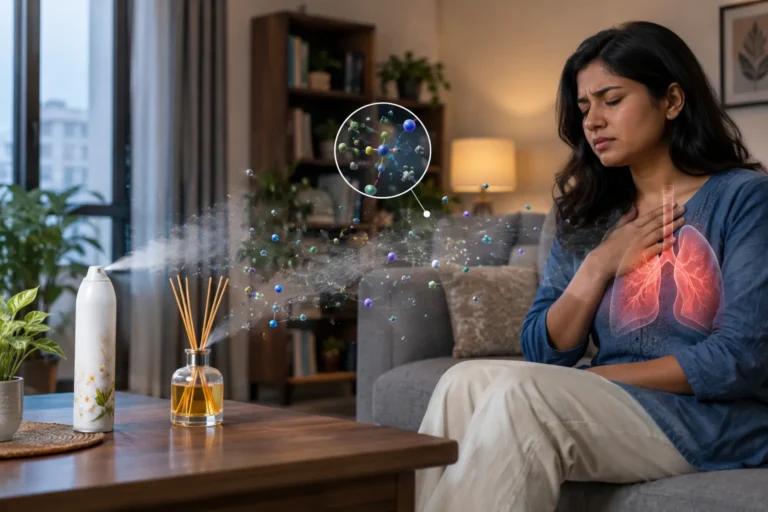
Air pollution भी खास तौर पर lung cancer के संदर्भ में महत्वपूर्ण risk factor है।
WHO air pollution को lung cancer के लिए important risk factor मानता है।
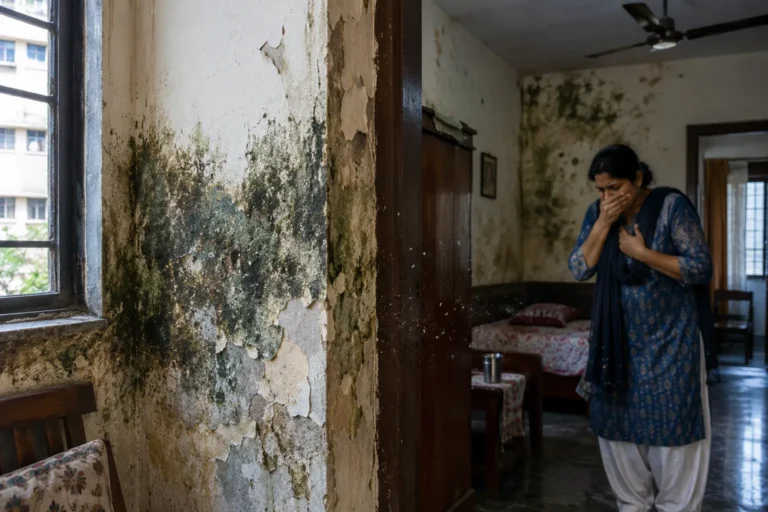
यह उन लोगों के लिए विशेष चिंता का विषय है जो लंबे समय तक polluted urban environments में रहते हैं या workplace पर harmful airborne substances के संपर्क में आते हैं।
यहां individual lifestyle के साथ-साथ clean-air policies और occupational safety भी महत्वपूर्ण हैं।
8. UV Radiation और कुछ Occupational Exposures
बहुत ज्यादा ultraviolet radiation exposure skin cancer का risk बढ़ा सकता है।
इसी तरह कुछ occupational carcinogens—जैसे asbestos और कुछ chemicals—certain cancers से जुड़े हैं। WHO cancer prevention recommendations में unnecessary radiation exposure कम करने और workplace exposure से सुरक्षा पर भी जोर दिया गया है।
इसलिए outdoor workers और कुछ industrial occupations में protective measures विशेष रूप से महत्वपूर्ण हैं।
https://www.who.int/singapore/news/detail-global/08-07-2026-who-calls-for-urgent-action-as-new-cancer-cases-are-projected-to-nearly-double-by-2050
क्या Plastic Pollution भी Cancer Risk से जुड़ा है?
Plastic pollution और human health के बीच संबंध पर research तेजी से बढ़ रही है, लेकिन हर plastic exposure को सीधे “cancer cause” कहना वैज्ञानिक रूप से सही नहीं होगा।
HNN24x7 के इस संबंधित article में plastic pellets और environmental exposure से जुड़ी जानकारी दी गई है: MSC Elsa-3 और Plastic Pellets से जुड़ी रिपोर्ट
Cancer risk पर बात करते समय यह distinction जरूरी है कि किसी chemical या environmental exposure के लिए hazard, actual human exposure और proven cancer risk अलग-अलग scientific questions हैं।
क्या 40% तक Cancer Cases Prevent किए जा सकते हैं?
कई cancer cases को prevent किया जा सकता है, लेकिन इसका मतलब यह नहीं कि 40% हर व्यक्ति का cancer risk खत्म किया जा सकता है।
WHO के फरवरी 2026 analysis के अनुसार 2022 में करीब 37% नए cancer cases, यानी लगभग 7.1 million cases, 30 preventable causes से जुड़े थे।
WHO broadly कहता है कि existing evidence-based prevention strategies और risk factors को avoid या modify करके लगभग 30–50% cancer cases को prevent करने की क्षमता मौजूद है।
सबसे बड़ा message यही है: prevention का potential काफी बड़ा है।
किन आदतों से Cancer Risk बढ़ सकता है?
कुछ common habits और exposures जिन्हें गंभीरता से लेना चाहिए:
| आदत/Exposure | Cancer Risk से संबंध |
|---|---|
| Smoking | कई cancer types, खासकर lung cancer |
| Tobacco chewing | Oral और अन्य cancers का risk |
| Alcohol consumption | कई alcohol-related cancers |
| Physical inactivity | कई chronic disease और कुछ cancers से संबंध |
| Excess body weight | कई cancer types से संबंध |
| Unhealthy dietary pattern | indirect और कुछ direct risk pathways |
| Excess UV exposure | Skin cancer |
| Air pollution exposure | खासकर lung cancer |
| Unsafe sexual exposure | कुछ HPV-related cancers का risk |
| Harmful occupational exposure | Exposure-specific cancer risk |
इन factors में risk की मात्रा हर व्यक्ति में समान नहीं होती और genetics, duration of exposure, age तथा अन्य conditions भी भूमिका निभाते हैं।
Cancer Risk कम करने के लिए क्या किया जा सकता है?
WHO की recommendations के आधार पर practical prevention strategy में कई कदम शामिल हैं।
Tobacco छोड़ना
Smoking और अन्य tobacco products से बचना cancer prevention का सबसे महत्वपूर्ण कदमों में से एक है।
Alcohol को सीमित करना या avoid करना
Alcohol consumption कम करने से alcohol-attributable cancer risk को कम किया जा सकता है।
Healthy weight बनाए रखना
Balanced diet और regular physical activity के साथ healthy body weight maintain करना उपयोगी है।
Regular physical activity
हर उम्र में नियमित movement और exercise को daily routine का हिस्सा बनाना चाहिए।
Vaccination
जहां medically recommended हो, HPV और hepatitis B vaccination cancer prevention में महत्वपूर्ण भूमिका निभा सकते हैं।
Sun protection
Excessive UV exposure से बचना और appropriate sun protection इस्तेमाल करना skin cancer risk कम करने की strategy है।
Screening और early detection
Cancer prevention के साथ early detection भी बेहद महत्वपूर्ण है। कई cancers का treatment शुरुआती stage में ज्यादा प्रभावी हो सकता है। WHO के अनुसार early diagnosis और appropriate treatment से कई cancers में cure की संभावना काफी बढ़ सकती है।
क्या Cancer बढ़ने का मतलब है कि अब हर व्यक्ति का Risk बहुत ज्यादा है?
नहीं।
Global cancer cases बढ़ने का अर्थ यह नहीं है कि हर व्यक्ति को cancer होने वाला है।
Cancer risk व्यक्ति की उम्र, genetics, family history, tobacco/alcohol exposure, infections, body weight, physical activity, environmental exposures और अन्य factors पर निर्भर करता है।
इसके अलावा cancer cases बढ़ने का एक बड़ा कारण यह भी है कि दुनिया में लोग लंबे समय तक जीवित रह रहे हैं। Cancer incidence उम्र के साथ dramatically बढ़ती है।
इसलिए global numbers को individual diagnosis या personal risk का direct measure नहीं माना जाना चाहिए।
2026 में सबसे बड़ी चिंता क्या है?
WHO का 2026 Global Status Report बताता है कि आने वाले वर्षों में cancer burden का बड़ा हिस्सा low- और middle-income countries पर पड़ सकता है, जहां prevention, early diagnosis और treatment की capacity में अभी भी gaps हैं।
यानी आने वाली चुनौती केवल “cancer को रोकना” नहीं है।
दुनिया को तीनों fronts पर काम करना होगा:
Prevention + Early Detection + Equitable Treatment
अगर preventable risk factors कम किए जाएं, vaccination और screening मजबूत हो, और cancer treatment तक equitable access बढ़े, तो आने वाले decades का cancer burden काफी बदला जा सकता है।
निष्कर्ष
Cancer risk factors को समझना 2026 में पहले से ज्यादा जरूरी हो गया है।
WHO और IARC के नए data के अनुसार global cancer cases 2050 तक करीब 35 million annually तक पहुंच सकते हैं। लेकिन इस बढ़ते burden का एक महत्वपूर्ण हिस्सा preventable causes से जुड़ा है। Tobacco सबसे बड़ा preventable risk factor है, जबकि alcohol, excess body weight, physical inactivity, infections, air pollution और UV exposure भी महत्वपूर्ण हैं।
सबसे जरूरी बात यह है कि हर cancer को lifestyle से जोड़ना गलत है और किसी एक food या habit को cancer का अकेला कारण बताना भी गलत है।
लेकिन tobacco से दूरी, alcohol कम करना, healthy weight, regular physical activity, balanced diet, recommended vaccination, sun protection, pollution/occupational exposure से बचाव और appropriate screening—ये ऐसे practical steps हैं जो cancer prevention में वास्तविक योगदान दे सकते हैं।
Cancer का बढ़ता global burden केवल medical problem नहीं है। यह lifestyle, environment, ageing, prevention policies और healthcare access से जुड़ी बड़ी public-health challenge है।