



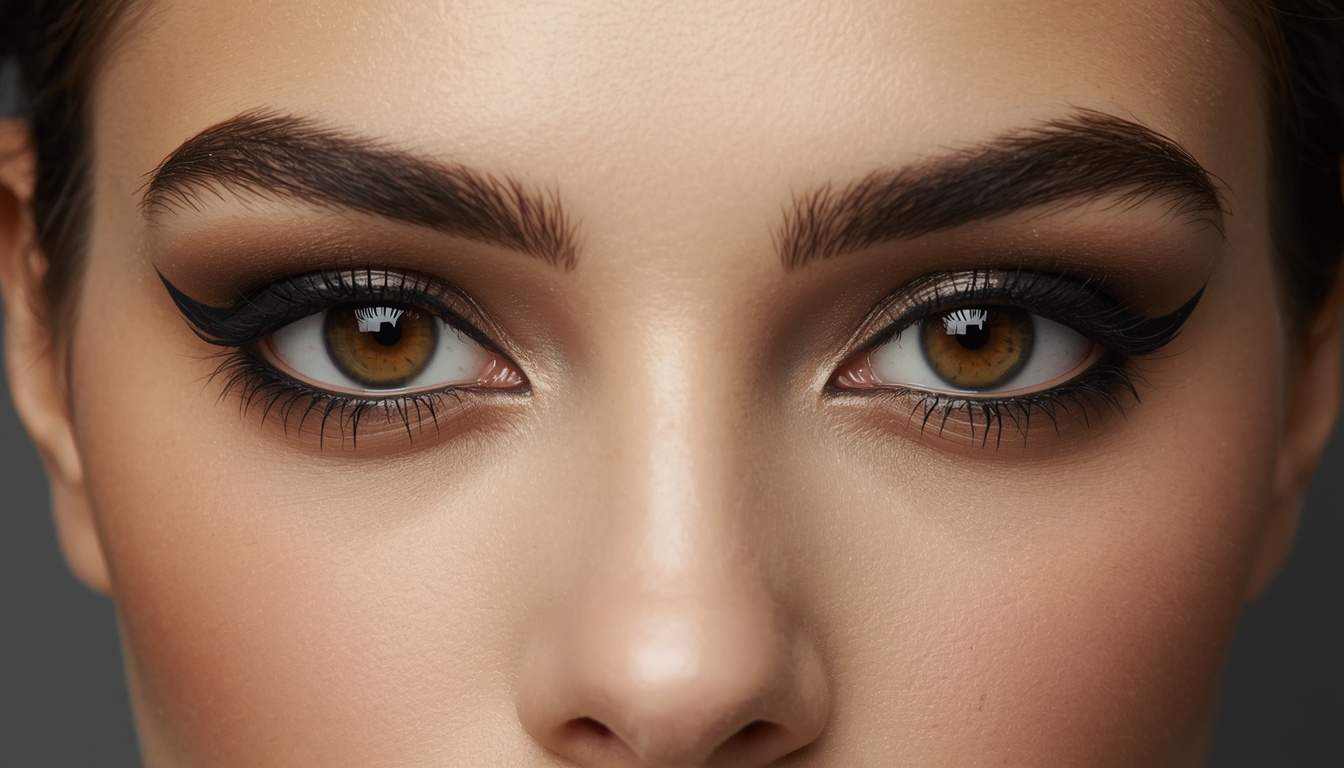
Kohl vs Kajal: For generations, dark, defined eyes have been a defining part of beauty traditions across South Asia, the Middle East and North Africa. Today, that tradition has found a place in modern beauty routines through two familiar products: kohl and kajal.
Although the words are often used interchangeably, the two products can differ considerably in their formulation, texture, application and finish. With consumers becoming increasingly interested in cosmetic ingredients and eye health, the question is no longer simply about which product creates a darker look. Many beauty users now want to know which option is easier to apply, which lasts longer and, most importantly, which is safer for regular use.
So, which is better—kohl or kajal?
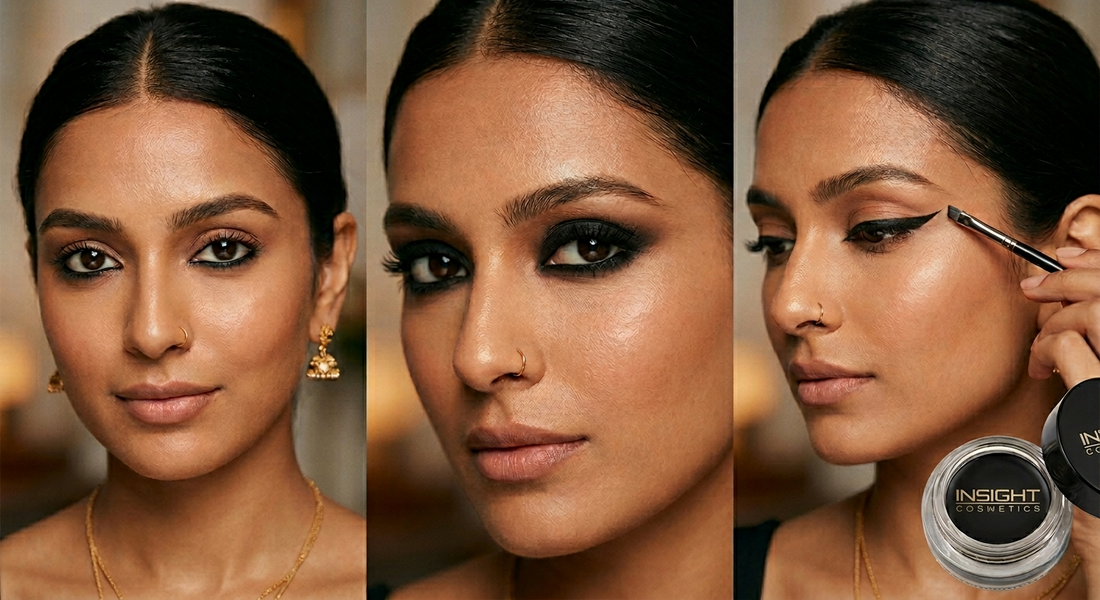
The answer depends largely on what a person wants from an eye product. Kajal is generally associated with a soft, creamy texture and an intense, smudged appearance, while modern kohl products can offer greater versatility, including defined lines, smokey finishes and longer wear. However, the distinction is not always straightforward because cosmetic brands frequently use the terms “kohl” and “kajal” for products with similar formulations.
Understanding the Difference
Traditionally, kohl refers to a dark eye cosmetic that has been used for centuries in various cultures. Historical forms were often prepared from mineral or soot-based materials and applied around the eyes for cosmetic and cultural purposes.
Kajal has particularly strong cultural associations with India and neighboring regions. Traditionally, it was prepared using ingredients such as soot and oils or ghee, although contemporary commercial products are manufactured using cosmetic-grade ingredients and preservatives.
Modern beauty products have blurred the distinction. A product marketed as kajal by one company may be very similar to another company’s kohl pencil. As a result, consumers should look beyond the name printed on the package and examine the ingredients, intended area of application and safety instructions.
The most noticeable practical difference is usually texture.
Kajal products are often softer and creamier. This allows them to glide easily along the waterline and create a rich, dramatic appearance. The same softness, however, can make some formulas more likely to smudge during the day.
Kohl pencils, particularly those designed for use along the lash line, may have a firmer consistency. Depending on the formulation, they can provide sharper lines and may be easier to use for creating a controlled eyeliner look.
Why Kajal Remains So Popular
Despite the growing number of liquid eyeliners, gel liners and specialty eye pencils, kajal continues to have a loyal following.
One reason is ease of application. A creamy pencil can be applied quickly without requiring the precision sometimes needed with liquid eyeliner. For people who want an intense eye look without spending several minutes creating a perfect line, kajal can be an attractive option.
Its versatility is another factor.
A traditional black kajal can be used to create anything from a subtle definition around the eyes to a dramatic smokey-eye effect. When lightly applied to the outer lash line and blended with an eye brush, it can produce a softer finish. Applied more heavily along the waterline, it can create a much more intense appearance.
The cultural familiarity of kajal also plays an important role. For many consumers, it is not simply another makeup product. It is connected to childhood memories, family traditions, festivals and everyday beauty practices.
That emotional and cultural connection has helped keep the category relevant even as international cosmetic trends have changed.
The Case for Kohl
Kohl has also evolved significantly in the modern cosmetics market.
Today’s kohl pencils can be formulated for precision, long wear and easy blending. Some products are designed specifically for creating smokey eyes, while others are intended to deliver a clean line similar to eyeliner.
For consumers who frequently experiment with different eye looks, a versatile kohl pencil can therefore be useful.
A firmer pencil may provide better control when defining the upper lash line. A softer version can be blended into an eyeshadow for a smokey finish.
Kohl is also frequently available in colors beyond traditional black. Brown, charcoal, navy, green and other shades can offer a softer alternative for daytime makeup or complement different eye-makeup styles.
However, just like kajal, kohl is not automatically safer simply because of its name. The formulation and the manufacturer’s safety standards matter more than the label.
Which One Is Easier to Apply?
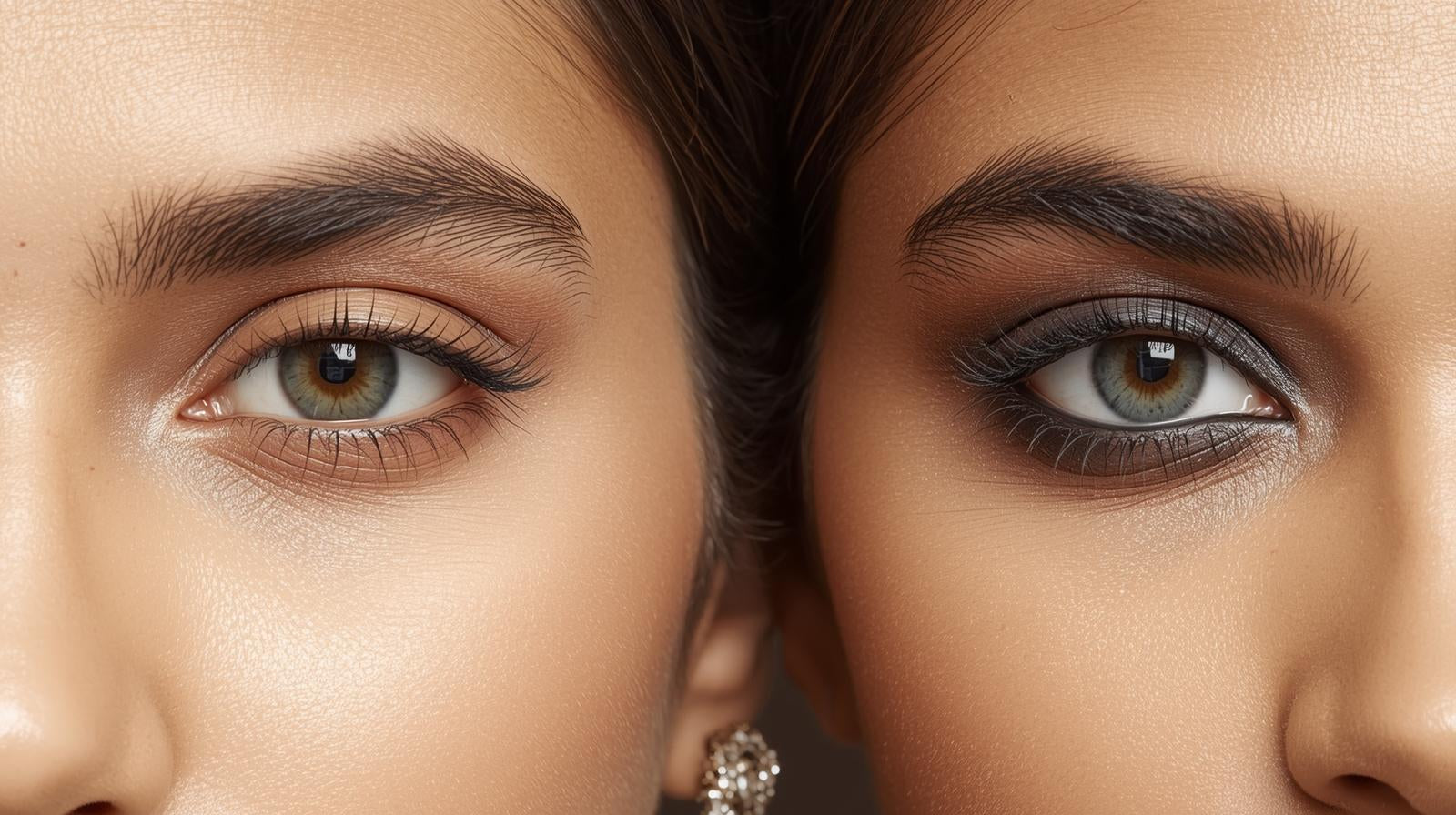
For beginners, kajal often has an advantage because of its creamy consistency.
A person can gently draw the product along the lash line or waterline without applying significant pressure. This can make the application process feel more comfortable, particularly for people who are accustomed to traditional kajal.
The downside is that very soft products may move more easily.
Heat, humidity, natural oils around the eyelids and frequent touching can cause a soft eye pencil to migrate beneath the eyes. This can produce the familiar “smudged” appearance. While some people deliberately prefer this effect, others may find it inconvenient.
Kohl pencils can provide greater control when a sharper look is desired. However, a very firm pencil can feel uncomfortable if excessive pressure is used.
Regardless of the product, eye makeup should be applied gently. The eye area is delicate, and aggressive rubbing or pulling of the eyelid can cause irritation.
What About Staying Power?
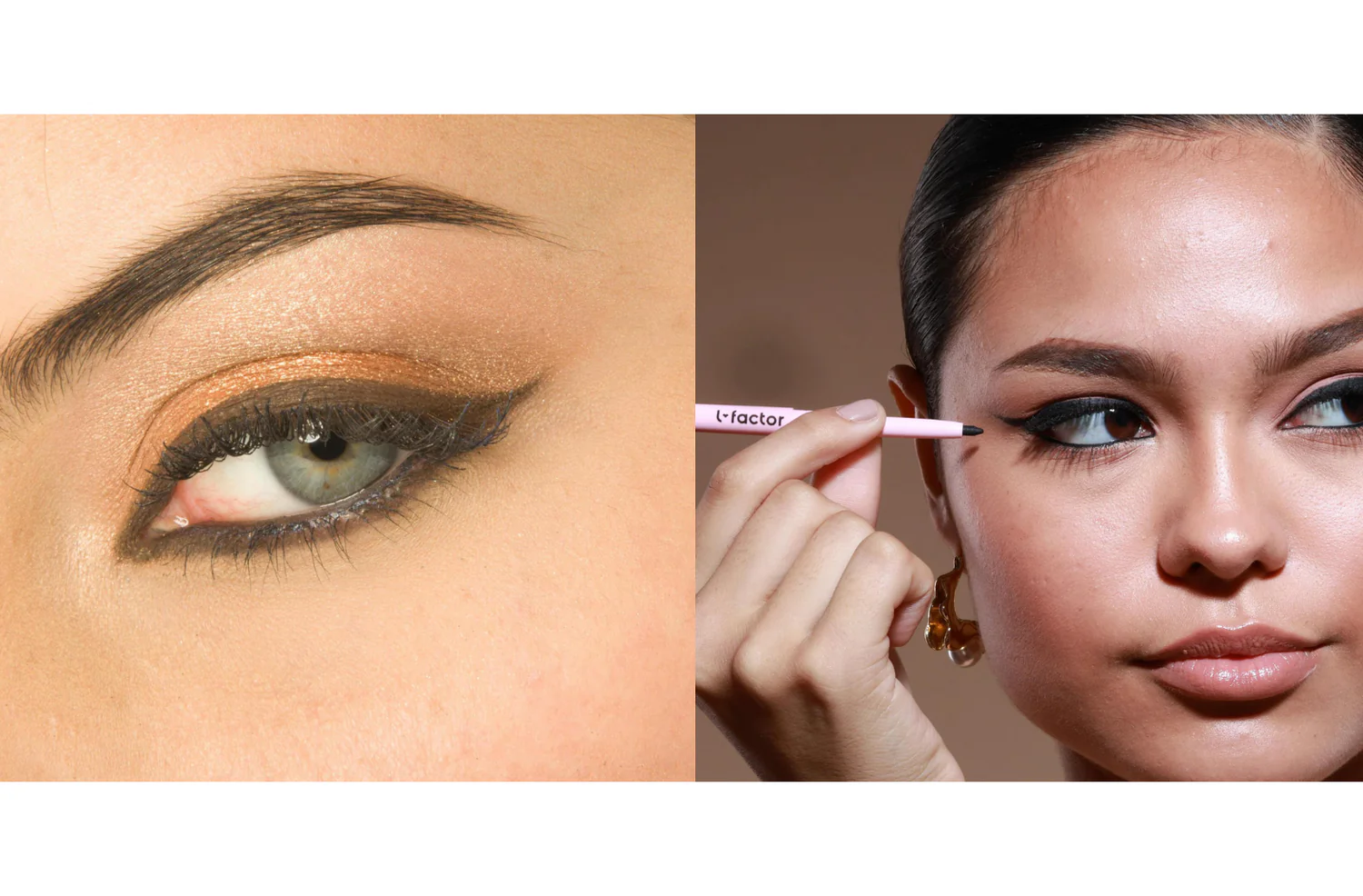
Longevity is one of the biggest differences consumers notice between individual products.
Not all kajal formulas behave the same way. Some modern formulations are designed to be waterproof or transfer-resistant, while traditional or particularly creamy formulas may smudge more readily.
Kohl products also vary widely. A long-wearing kohl pencil can remain relatively stable for hours, while a softer formula may deliberately be designed to blend easily.
This means consumers should not assume that every kohl lasts longer than every kajal.
Instead, look for descriptions such as “long-wear,” “water-resistant” or “transfer-resistant,” while also checking whether the product is specifically intended for the waterline. A product designed only for external use around the eyes should not automatically be placed directly on the waterline.
Is Kajal Safe for the Eyes?
Safety is arguably more important than the cosmetic difference between kohl and kajal.
Modern, commercially manufactured eye cosmetics are generally formulated with safety requirements in mind. However, the safety of an individual product depends on its ingredients, manufacturing quality, storage and use.
Consumers should purchase eye cosmetics from reputable manufacturers and avoid products with unclear ingredient information.
Historical versions of kohl deserve particular caution. Some traditional kohl products have been found in different markets to contain high levels of lead or other potentially harmful substances. Modern consumers should therefore avoid assuming that every product called “kohl” or “kajal” is equivalent to a regulated cosmetic.
The safest approach is to check the packaging carefully, look for a complete ingredient list and use products according to the manufacturer’s directions.
Another important issue is hygiene.
Eye pencils can come into contact with bacteria, oils and other contaminants. Sharing eye makeup can increase the risk of transferring microorganisms between users. Consumers should therefore avoid sharing kajal or other eye products, especially products used directly on the waterline.
If an eye product changes smell, texture or appearance, it may be time to replace it.
Waterline or Lash Line?
One of the most important considerations when choosing between products is where the cosmetic will be applied.
The lash line is the area along the base of the eyelashes. The waterline is the inner rim of the eyelid.
Applying eye makeup to the waterline can produce a particularly intense effect because it creates a continuous dark appearance around the eye. However, the area is sensitive, and some individuals may experience watering, irritation or discomfort.
People with sensitive eyes should be particularly cautious.
A product that is safe for application around the outside of the eye is not necessarily intended for application directly to the waterline. Consumers should follow the manufacturer’s instructions rather than relying solely on the product’s name.
For an everyday look, applying a suitable eye pencil along the outer lash line can provide definition while avoiding direct contact with the inner eyelid.
Kajal for Everyday Makeup
For many users, kajal remains an easy choice for everyday makeup.
A small amount along the upper lash line can make the eyes appear more defined without requiring a full eyeliner routine. For a traditional appearance, some users apply it to the lower waterline as well.
The key is moderation and technique.
Rather than repeatedly pressing the pencil against the eyelid, a light application can provide enough color. If a softer look is desired, the line can be blended carefully using a clean makeup brush.
For people who have naturally oily eyelids, applying a compatible eyeshadow or primer around—not directly inside—the eye can sometimes help reduce visible smudging.
Kohl for a Smokey Look
Kohl is often favored by makeup enthusiasts who want a dramatic eye.
A black or deep-brown kohl pencil can be applied close to the lashes and then blended outward. Adding eyeshadow over the pencil can create additional depth and help produce a more polished smokey effect.
This approach is especially popular for evening makeup, celebrations and special occasions.
The advantage of a blendable pencil is that mistakes can be corrected relatively easily. Unlike liquid eyeliner, which can become difficult to manipulate once it dries, a creamy pencil can often be softened with a brush.
However, excessive blending around the eyes can also create unnecessary rubbing. A gentle technique remains important.
Which Is Better for Sensitive Eyes?
There is no universal winner.
Someone with sensitive eyes may tolerate one formula comfortably and react to another. The important factor is not whether the package says “kajal” or “kohl,” but how the individual product is formulated and how the person’s eyes respond to it.
Consumers experiencing persistent redness, itching, swelling, pain or unusual discharge after using eye makeup should stop using the product and consider seeking professional medical advice.
It is also sensible to avoid applying eye makeup to an already irritated eye.
Beauty products should enhance appearance, not be used to cover up symptoms of an eye problem.
What Consumers Should Look For
When buying either product, shoppers can consider several factors.
First, examine the ingredient list and packaging. Products with clear labeling and information from established manufacturers provide greater transparency than cosmetics with uncertain origins.
Second, consider the intended use. If the product is specifically designed for the waterline, it should say so clearly.
Third, think about texture. A creamy kajal may be preferable for a soft, intense appearance, while a firmer kohl pencil may be better for precision.
Fourth, consider longevity. People who spend long hours outside or in humid conditions may prefer a transfer-resistant formulation.
Finally, consider hygiene and storage. Keep eye cosmetics clean, close the cap properly and avoid sharing them with others.
The Verdict: Kohl or Kajal?
There is no single answer that applies to everyone.
Kajal is arguably the better choice for people who prioritize a creamy texture, easy application and a bold, traditional look. It is particularly suitable for consumers who enjoy soft, smudged eye makeup and want a product that can be applied quickly.
Kohl may be the better choice for users who want versatility and greater control over their eye makeup, especially when creating defined lines or smokey-eye styles.
But the most important distinction is not the word printed on the package. A high-quality kajal can be better than a poor-quality kohl, and a well-formulated kohl can be a better choice than an unsuitable kajal.
Consumers should therefore focus on the product’s formulation, intended application, quality, hygiene and their own eye sensitivity.
A Beauty Tradition Adapts to Modern Needs
The continuing popularity of both products highlights how traditional beauty practices can evolve alongside modern cosmetics.
Kajal, in particular, has moved from a traditional cosmetic associated with generations of South Asian households into a global beauty category. Contemporary brands now offer versions in different textures, colors and finishes, combining familiar aesthetics with modern cosmetic technology.
At the same time, consumers are becoming more informed. Beauty buyers increasingly want to know what is inside their cosmetics, how products should be used and how to reduce potential risks.
That shift may ultimately be more significant than the debate over whether kohl or kajal is better.
The best eye cosmetic is one that delivers the desired appearance while being appropriate for the user’s intended application and comfortable for their eyes. Whether the choice is a classic kajal pencil or a modern kohl liner, quality and responsible use should come before the name on the label.
For those who love intensely defined eyes, both products can remain valuable parts of a makeup collection. The final choice comes down to personal preference: soft or sharp, traditional or modern, smudged or precise.
In the end, there may be no permanent winner in the kohl-versus-kajal debate. Instead, the better product is the one that suits the individual user—and is used safely.