



By 2026, watchmaking is at the dawn of a wonderful new era. No longer are watches seen as mere signs of prestige or merely mechanical devices to compete with the smartphones. They are increasingly becoming pieces of jewelry, art objects, traditions, personal identity, and, for those who collect them, investments into craftwork and history.
What has been clear after the most important annual gatherings, especially Watches & Wonders Geneva 2026, is the fact that the trend of the oversized and aggressive sporty watches typical of the previous decade is definitely over. What is left is the trend toward smaller cases, vintage style, vibrant colors, precious materials, complex mechanics and very unique designs.
More petite watches are making an impressive comeback
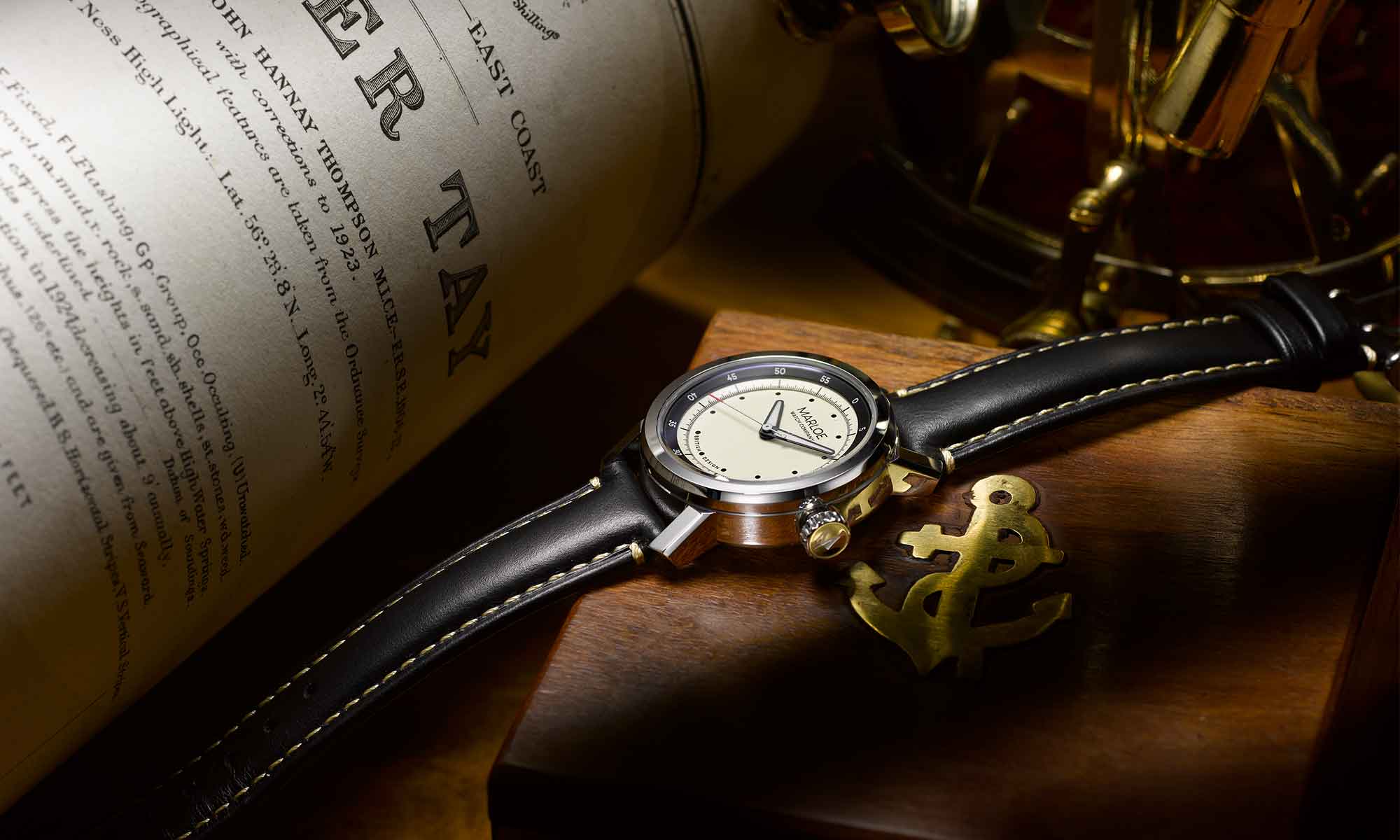
One of the most significant trends of 2026 can be the return of more elegant and petite watch cases.
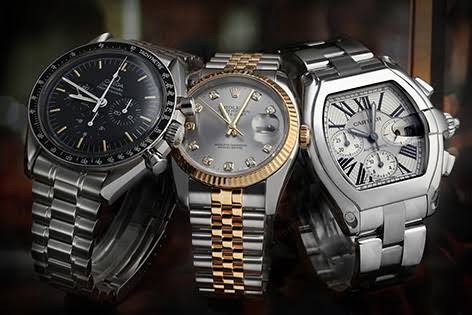
Up until now, there was an increasing trend for men’s luxury watches to have larger diameters in the 41mm-45mm range where having big cases had become almost equated with masculine strength and presence. But in 2026, brands are starting to go back to smaller cases at 36mm, 37mm, 38mm and 39mm.
These are not just a nostalgic return. Smaller watches offer more versatility and elegance while harking back to more classic watches from the past.
The change also reflects a broader movement toward quiet luxury. Instead of buying the largest watch possible, collectors are increasingly looking for subtle details: a beautifully finished movement, unusual dial texture, historically accurate proportions or an exceptional bracelet.
The result is a watch that can work with a suit, T-shirt or traditional clothing without overwhelming the wearer.
Vintage is influencing almost everything
Vintage-inspired watches are arguably the dominant aesthetic language of 2026.
But today’s trend is not simply about copying an old watch. Brands are combining historical design cues with modern mechanical technology.
Expect to see:
- Domed crystals
- Box-shaped sapphire crystals
- Sector and two-tone dials
- Art Deco influences
- Vintage numerals objects. At a September 2026 fashion show, a collection of roughly 50 vintage watches was incorporated into runway styling, including vintage Rolex, Tudor, Jaeger-LeCoultre and Heuer pieces. , but its interpretation is changing. Instead of only dark navy or conventional sunburst blue, manufacturers are experimenting with icy blue, turquoise, pastel and almost
- Bead-of-rice and ladder-style bracelets
- Aged-looking lume
- Period-inspired chronographs
- Smaller case dimensions
This “neo-vintage” approach gives consumers the emotional appeal of an old watch without many of the reliability and servicing compromises associated with genuinely vintage pieces.
Interestingly, vintage watches themselves are also becoming fashion objects. At a September 2026 fashion show, a collection of roughly 50 vintage watches was incorporated into runway styling, including vintage Rolex, Tudor, Jaeger-LeCoultre and Heuer pieces.
That illustrates an important development: vintage watches are moving beyond traditional watch collecting and becoming part of fashion culture.
Colour is becoming much more adventurous
If the first part of the decade was dominated by black, blue and green dials, 2026 is considerably more colourful.
Deep burgundy, red, warm brown, sky blue and rich green are among the colours gaining attention. Watches and Wonders coverage highlighted everything from soft blues to intense burgundy, while other trend reports identified green and warm red tones as particularly important.
Burgundy is especially interesting because it sits between traditional and contemporary. It can look sophisticated on a dress watch while also giving a sports watch considerably more personality.
Blue remains extremely important, but its interpretation is changing. Instead of only dark navy or conventional sunburst blue, manufacturers are experimenting with icy blue, turquoise, pastel and almost metallic shades.
The larger trend is clear: watches are becoming more expressive.
Watches are becoming jewellery
One of the most important developments in 2026 is the continued blurring of the boundary between watches and jewellery.
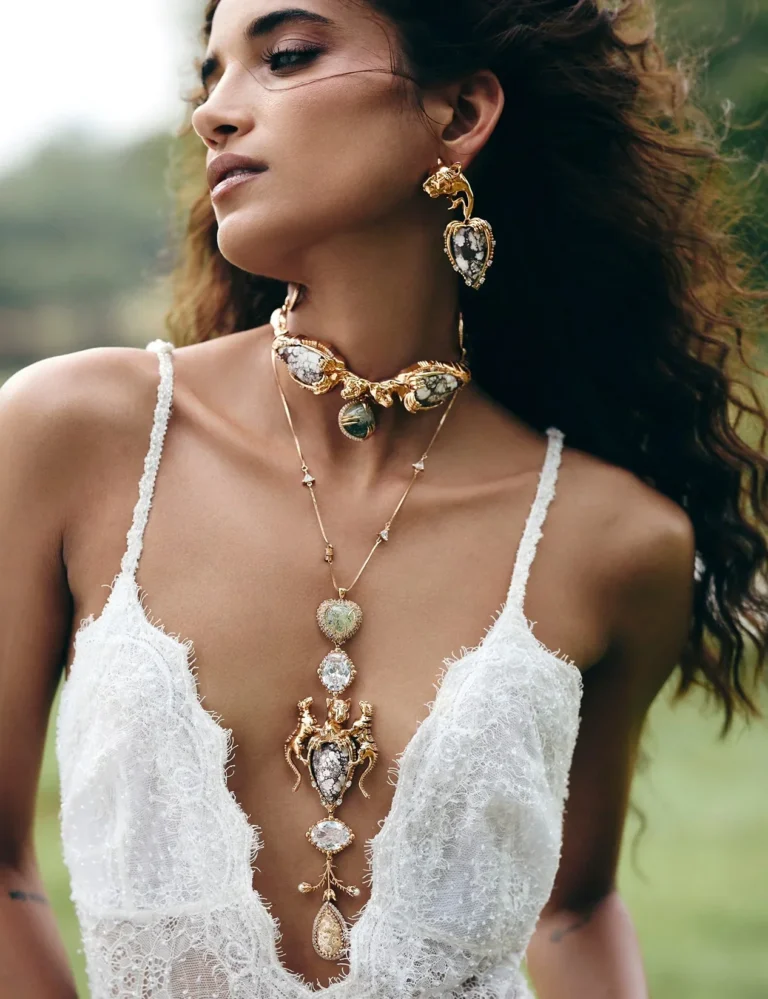
Luxury watchmakers are using precious metals, gemstones, sculptural cases and elaborate dial decoration more aggressively. Some watches are being designed almost like miniature pieces of jewellery rather than conventional instruments.
The trend is particularly visible in high-jewellery watches, but it is also influencing mainstream luxury collections.
Gold is important, while platinum has received renewed attention as an ultra-premium material. Gem-setting is becoming more adventurous, and animal-inspired motifs are appearing in high-end creations. Cartier, for example, has leaned into big-cat imagery in its 2026 high-jewellery watch designs.
This represents a fundamental change in the way luxury watches are marketed. A mechanical watch can now be sold simultaneously as engineering, fashion, jewellery and collectible art.
Skeleton watches are having a serious moment
Another major 2026 trend is the resurgence of skeletonised watches.
Skeletonisation removes portions of the dial and movement plates so that the wearer can see the mechanical architecture underneath. Traditionally, this technique was associated with haute horlogerie and highly elaborate watches.
In 2026, however, skeleton designs have become considerably more visible across luxury watchmaking, with major releases and celebrity appearances helping push the aesthetic into mainstream horological conversation.
The appeal is easy to understand. In an era dominated by digital technology, mechanical watches need to demonstrate why their physical construction matters.
A skeleton dial effectively says: the mechanism itself is the artwork.
Integrated bracelets remain powerful—but they are evolving
Integrated-bracelet watches continue to be one of the strongest categories in luxury watchmaking.
The concept—where the bracelet flows directly into the case—became hugely influential through watches such as the Royal Oak and Nautilus. In 2026, manufacturers are continuing to reinterpret the formula rather than simply reproduce it.
The newer generation tends to focus on:
- More ergonomic bracelets
- Slimmer profiles
- Smaller case sizes
- More sculptural links
- Mixed materials
- Greater finishing contrast
The important shift is that integrated bracelets are becoming less synonymous with gigantic sports watches and more connected to elegant everyday luxury.
Materials are becoming a selling point
The luxury watch industry is experimenting with materials far beyond conventional stainless steel.
Ceramics, sapphire-based materials, titanium, carbon composites, platinum and recycled metals are receiving increasing attention. Advanced ceramics and sapphire composites were among the materials highlighted in 2026 trend coverage. Titanium is particularly attractive because it combines strength with low weight. That makes it ideal for modern sports watches where manufacturers want a large visual presence without making the watch uncomfortable.
At the opposite end of the spectrum, platinum continues to represent extreme luxury.
This creates an interesting two-track market: high-tech lightweight materials on one side and traditional precious metals on the other.
Complications are becoming more creative
The mechanical-watch renaissance isn’t only about appearance.
Watchmakers continue to experiment with chronographs, jumping hours, astronomical indications, perpetual calendars and other complications. At the same time, brands are trying to make these technical features visually understandable.
This is important because collectors increasingly want something that feels mechanically special rather than simply expensive.
The 2026 releases showed that traditional complications are still relevant, but brands are presenting them in more contemporary ways.
The result is a fascinating combination: old-school mechanical engineering presented through modern design.
Independent and smaller brands are gaining influence
The watch market is also becoming more diverse.
Large Swiss manufacturers remain enormously powerful, but independent watchmakers and microbrands are attracting collectors who want originality. Smaller brands can experiment with unusual cases, unconventional displays and limited production runs without having to appeal to a mass luxury audience.
The revival of historic names is part of this story too. In September 2026, for example, the historic Gallet name was relaunched with watches inspired by its aviation and chronograph heritage, positioned at a more accessible level than its parent brand Breitling.
This suggests that heritage itself has become a valuable product category.
Consumers don’t necessarily want a brand that is merely old. They want a convincing story about why the brand matters.
India is becoming an increasingly important luxury-watch market
The global watch story cannot be separated from emerging luxury markets, particularly India.
Indian consumers are showing growing interest in ultra-premium products that emphasise craftsmanship, exclusivity, heritage and individuality rather than simply displaying a famous logo. Recent reporting suggests affluent Indian buyers are increasingly exploring bespoke watches and other artisanal luxury products.
This is particularly significant because the Indian luxury consumer is becoming more knowledgeable about watchmaking.
Collectors are increasingly discussing movements, finishing, complications, provenance and resale value—not merely brand names.
That creates an opportunity for both established Swiss manufacturers and emerging independent watchmakers.
The luxury market is becoming more polarised
The economic picture behind the trends is equally interesting.
Swiss watch exports remained resilient in 2026, with July exports rising 9.6% year over year to more than CHF 2.6 billion. However, the growth was concentrated heavily at the upper end: watches priced above CHF 3,000 rose 12%, while the CHF 500–3,000 category declined 3.9%.
That tells us something important about the market.
Luxury consumers appear willing to spend heavily on genuinely differentiated products, while the middle of the market faces greater pressure.
In other words, 2026 isn’t simply a story of “watches becoming more expensive.” It is a story of premiumisation: buyers increasingly want a compelling reason for a watch to command a premium.
The biggest trend: individuality
Ultimately, the most important watch trend of 2026 may not be a particular colour, case size or material.
It is individuality.
The modern collector can choose a small vintage-inspired steel watch, a colourful integrated-bracelet model, a skeletonised haute-horlogerie piece, a high-jewellery creation, an independent microbrand or an actual vintage watch.
That diversity reflects a broader cultural shift.
For decades, luxury watches were strongly associated with status. In 2026, they increasingly represent personal taste and cultural knowledge.
A collector may buy a watch because of its movement architecture, historical significance, finishing, unusual dial or simply because it tells a story that resonates with them.
The outlook for the rest of 2026
The direction of the industry is therefore becoming clearer. Expect smaller cases, vintage-inspired proportions, expressive colours, sophisticated bracelets, precious materials, skeletonisation and stronger interest in independent watchmakers.
At the same time, the best brands are discovering that heritage alone isn’t enough. Consumers want history combined with innovation.
The watch of 2026 is therefore neither purely traditional nor futuristic. It is a hybrid: mechanically old-fashioned, aesthetically modern, increasingly personal and unmistakably luxurious.
And perhaps that is why the traditional mechanical watch continues to survive in an era when almost everyone already carries a device that tells time perfectly. The appeal was never really about knowing what time it is. In 2026, it is about how you choose to express your relationship with time itself.
Read More..