

Hair colors is no longer simply a beauty choice—it has become a powerful form of self-expression. From soft, natural-looking shades to bold and experimental colors, changing hair color has become one of the most visible ways people express their personality, mood, and individual style. As beauty trends continue to evolve, salons and colorists are seeing growing interest in shades that combine creativity with a more natural appearance.
In recent years, the hair-color industry has moved beyond traditional choices such as black, brown and blonde. Consumers are increasingly experimenting with warm reds, cool blondes, chocolate browns, copper tones, pastel shades and even vivid fantasy colors. Social media platforms have played a major role in this transformation, allowing new styles to spread rapidly among celebrities, influencers and everyday beauty enthusiasts.
Natural Shades Make a Strong Comeback
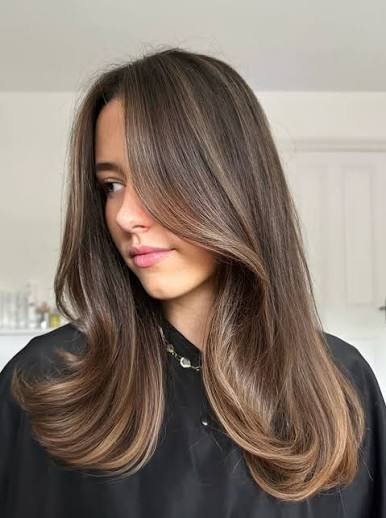
One of the biggest developments in hair color is the growing popularity of natural-looking shades. Rather than choosing dramatic, single-tone colors, many people are opting for subtle highlights and lowlights that add dimension while maintaining a realistic appearance.
Chocolate brown, caramel, honey and warm chestnut are among the shades attracting attention. These colors can create depth and shine without producing an overly artificial look. For people who want a noticeable change without completely transforming their appearance, these softer shades offer a practical option.
Colorists say that natural-looking hair colors are also attractive because they can be easier to maintain. Instead of requiring frequent full-color treatments, techniques such as balayage and subtle highlights allow natural roots to blend gradually with colored sections.
Copper and Red Shades Continue to Rise
Red-based hair colors have also become increasingly popular. Copper, auburn, cherry red and warm burgundy shades are appearing in salons and on social media feeds around the world.
Copper, in particular, has gained attention for its ability to combine the brightness of red with the warmth of orange and gold. Depending on the individual’s natural hair color and skin tone, copper can range from a soft, muted shade to a vibrant statement color.
Auburn and burgundy are also popular among people who want a darker alternative. These shades can provide a dramatic change while still appearing sophisticated and wearable in everyday settings.
Blonde Gets a Modern Update
Blonde hair remains one of the most requested color families, but modern trends are moving away from a single, bright shade. Instead, many people are choosing multidimensional blondes that combine several tones.
Honey blonde, beige blonde, butter blonde and darker “dirty blonde” shades are being used to create softer and more natural results. Rooted blonde styles, in which darker roots gradually blend into lighter lengths, are also popular because they can reduce the need for frequent touch-ups.
Cool-toned blondes continue to appeal to people looking for a striking appearance, while warmer blondes offer a softer and more approachable look. The choice often depends on personal preference, natural hair color and how much maintenance someone is willing to undertake.
Fantasy Colors Bring a Sense of Fun
While natural shades dominate many salon requests, bold colors remain an important part of the hair-color conversation. Blue, purple, pink, green and multi-colored styles continue to attract people who want their hair to make a statement.
Pastel colors have become particularly popular among younger consumers. Soft lavender, baby pink, powder blue and peach can create an imaginative appearance without the intensity of neon shades.
At the other end of the spectrum, vivid colors are being used for more dramatic transformations. Bright red, electric blue and deep purple can turn hair into a major fashion accessory.
However, vivid colors often require greater maintenance. Depending on the starting hair color, achieving a bright result may require lightening the hair first. Frequent washing can also cause some fashion colors to fade faster than traditional shades.
Social Media Shapes Hair-Colors Trends
The speed at which hair-color trends become popular has changed dramatically because of social media. Platforms featuring short videos and photographs allow users to discover new colors, techniques and salon transformations almost instantly.
A hairstyle worn by a celebrity or influencer can inspire thousands of people within a short period. Tutorials also make professional-looking color techniques appear more accessible to consumers.
At the same time, social media has increased awareness of the importance of choosing a hair color based on individual characteristics. Beauty professionals frequently remind clients that the same shade can look very different depending on natural hair color, texture, skin tone and lighting.
Personalization Becomes More Important
Another major trend is personalization. Instead of simply asking for a specific popular color, customers are increasingly requesting customized combinations designed around their appearance and lifestyle.
Techniques such as face-framing highlights allow colorists to brighten specific areas around the face. Balayage can create a gradual transition between darker roots and lighter ends, while lowlights can add depth to otherwise flat-looking hair.
This personalized approach also helps clients balance style and maintenance. Someone who does not want to visit a salon frequently may choose a color that grows out naturally, while a person who enjoys regular salon appointments may choose a more dramatic transformation.
Hair Health Remains a Key Concern
Despite the excitement surrounding new hair colors, experts emphasize the importance of hair health. Chemical treatments, especially repeated bleaching, can weaken the hair if they are not performed carefully.
People considering a major color change are often advised to consult a professional, particularly if they are moving from very dark hair to a much lighter shade. Hair treatments, proper conditioning and appropriate aftercare can help maintain strength and shine.
Using products designed for color-treated hair can also help extend the life of a new shade. Heat protection is another important consideration, as frequent use of straighteners, curling irons and other heated tools can contribute to dryness and damage.
The Future of Hair Colors
The future of hair color appears to be moving toward a balance between individuality and natural beauty. Consumers are showing interest in shades that look polished but still allow personality to shine through.
Rather than one single color dominating the market, the industry is likely to continue offering a wide range of choices—from understated browns and blondes to vibrant reds and fantasy colors. Advances in coloring techniques are also making it possible to create more customized and multidimensional results.
For many people, hair color has become more than a beauty treatment. It is a way to mark a new beginning, express confidence, experiment with fashion or simply try something different.
As trends continue to change, one thing remains clear: hair color is becoming an increasingly important part of personal style. Whether someone chooses a subtle caramel highlight, a rich chocolate brown, a vibrant copper or an adventurous pastel shade, the modern hair-color movement is ultimately about individuality and confidence.
Read More..