





Coconut Oil vs Rosemary Oil for Hair Growth – When it comes to hair care few debates are as common as coconut oil vs rosemary oil. One has been a long-time staple in homes while the other has become a popular modern favorite, across beauty reels hair-care routines and scalp-treatment trends. Both are often recommended for hair but they do not actually do the same job. That is where the confusion usually begins.Many people use oiling as a one-step answer for every hair problem—hair fall, thinning, dryness, frizz, breakage or slow growth. But hair care is rarely that simple Some oils help by protecting the hair shaft. Some oils support scalp health. Some oils may be more useful when talking about growth or hair thinning. If your main goal is hair, less breakage or visible hair growth support choosing the right oil matters more than simply applying more oil.
Coconut oil is better known for protecting hair fibres and reducing damage. Rosemary oil has been discussed often for hair growth and hair thinning support. The article notes that the choice depends on whether your focus is on protecting existing hair or addressing growth‑related concerns. The article further points out that coconut oil is rich in acid and can help reduce protein loss from both damaged and undamaged hair making coconut oil especially useful for dryness, roughness and breakage rather, than actual hair loss.On the hand rosemary oil has drawn attention because of its potential role in hair-growth discussions. The Times of India piece cites a clinical study and notes that rosemary oil has been associated with benefits in cases of androgenetic alopecia and female pattern hair loss. The PubMed listing for that randomized trial states that patients were assigned either oil or 2% minoxidil for six months to evaluate efficacy and safety, in androgenetic alopecia.
That means the real answer is not about choosing a “winner” in the abstract. It is about understanding what your hair actually needs. If your problem is dryness and breakage, coconut oil may make more sense. If your concern is more about hair thinning and scalp-focused growth support, rosemary oil may be the more relevant option. And in many routines, both may even work together if used correctly and safely.
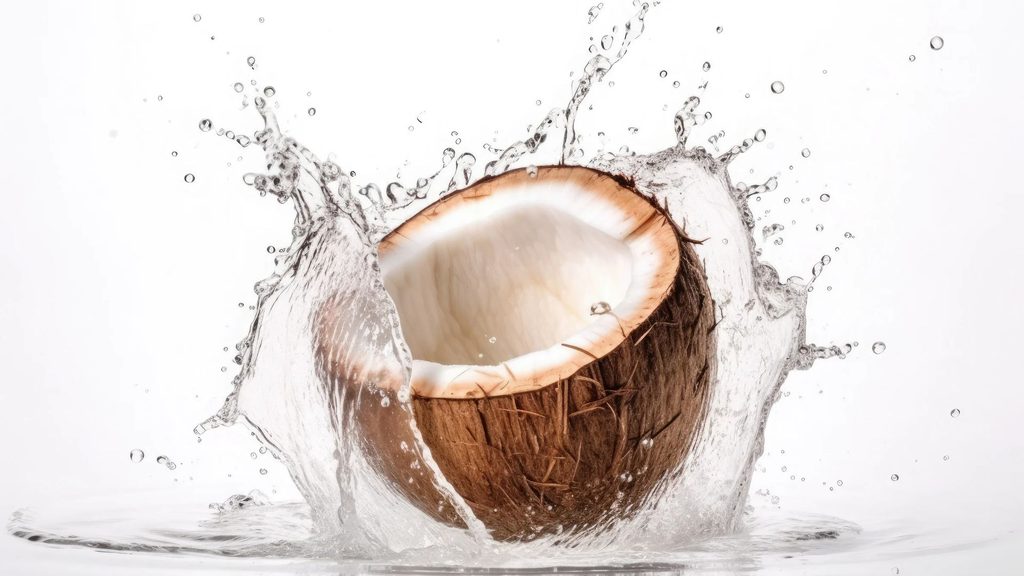
Coconut Oil: Why Is It Still a Haircare Classic?
It is especially useful for protecting existing hair. it can penetrate the hair shaft and help reduce protein loss, which may lower damage from grooming and styling. That is why it is often recommended for dry, rough, frizzy or easily breakable hair rather than true scalp-related hair loss concerns.A PubMed-indexed paper also reported that both in vitro and in vivo coconut oil treatments helped prevent combing damage in different hair types.
- Helps reduce protein loss in hair
- Supports dry and damaged hair lengths
- Useful for roughness and breakage
- Better for hair protection than direct hair-growth claims

Rosemary Oil: Can It Really Help With Hair Growth?
I have heard that rosemary oil has become popular because rosemary oil is often linked to hair growth and scalp stimulation. According to a report by the Times of India rosemary oil is widely talked about as a remedy for thinning hair. I think rosemary oil may help hair follicles, with its antioxidant and anti- properties and rosemary oil could also support scalp circulation.The strongest reason rosemary oil gets attention is that it has at least some human clinical evidence behind it.
A PubMed-listed randomized comparative trial investigated rosemary oil against 2% minoxidil in people with androgenetic alopecia, with participants assigned to either treatment for six monthWhile that does not prove rosemary oil is a miracle solution, it does suggest it has more direct relevance to hair-growth discussions than coconut oil.That said, rosemary oil is still an essential oil and should not be used casually in undiluted form.
it should be used in diluted form because concentrated essential oils may irritate the scalp.coconut oil appears more effective for protecting hair fibres and preventing breakage, while rosemary oil seems more useful in discussions around hair growth , although the overall evidence is still limited.
Feature Coconut Oil Rosemary Oil
- More associated with hair-growth support
- Relevant in thinning-hair discussions
- Must be diluted before use
- May help scalp condition and circulation
- Needs consistent and patient use, not quick expectations

Coconut Oil vs Rosemary Oil: What Is the Main Difference?
The simplest difference is this: coconut oil protects hair, while rosemary oil is more often discussed for growth support. verdict says coconut oil appears more effective for protecting hair fibres and preventing breakage, while rosemary oil seems more useful in discussions around hair growth ,although the overall evidence is still limited.
| Feature | Coconut Oil | Rosemary Oil |
|---|
| Main Role | Protects hair shaft | Supports scalp and hair-growth discussions |
| Best For | Dryness, roughness, breakage | Hair thinning, scalp-focused care |
| Evidence Focus | Protein-loss reduction and damage prevention | Some human evidence in androgenetic alopecia |
| Texture/Use | Heavier oil, often used on lengths | Essential oil, should be diluted |
| Growth Claim | Indirect support through lower breakage | More directly linked to growth conversations |
| How to Use | Pre-wash treatment or light oiling | Mixed with carrier oil and used carefully |
Which One Works Better?
If your concern is hair thinning, scalp care and growth-related support, rosemary oil is the more relevant option. The available discussion around rosemary oil is more directly tied to hair-growth support, and one randomized comparative trial even examined it against 2% minoxidil in androgenetic alopecia.
Read more,
FAQs
1. Is rosemary oil better than coconut oil for hair growth?
Rosemary oil is generally more associated with hair-growth support, while coconut oil is better known for protecting hair and reducing breakage.
2. Can coconut oil regrow hair?
Coconut oil is more strongly linked with protecting hair fibres and reducing protein loss than with direct hair regrowth claims.
3. Can I mix rosemary oil with coconut oil?
Yes. Rosemary oil is usually used after dilution in a carrier oil such as coconut oil, provided your scalp tolerates it well.
4. Is rosemary oil safe to apply directly to the scalp?
It is generally recommended to dilute rosemary oil first, because undiluted essential oils may irritate the scalp.
5. Which oil is better for dry and damaged hair?
Coconut oil is usually the better choice for dry, rough and breakage-prone hair because it helps protect the hair shaft.