



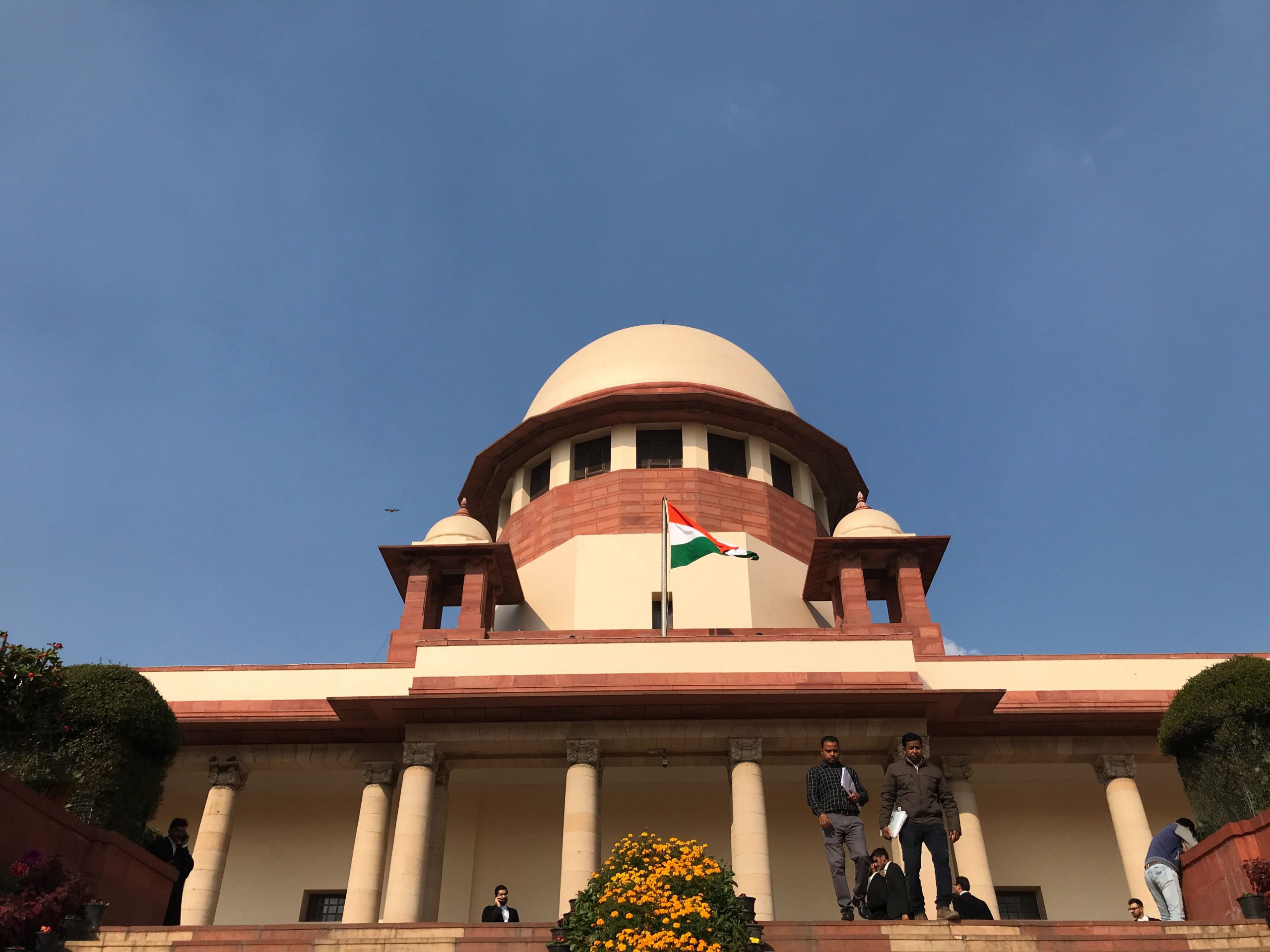
New Delhi, August 18, 2026: Chief Ministers’ criminal cases have come under renewed scrutiny after the SC was informed that chief ministers of 14 of India’s 28 states are facing serious criminal cases. The information was presented by the senior advocate and amicus curiae Vijay Hansira during proceedings concerning the need to expedite criminal trials against sitting and former MPs and MALs.
The development once again comes under the spotlight on the criminalization of politics in India, particularly when elected representatives holding some of the country’s most powerful positions have pending criminal proceedings against them.
According to the information presented before the SC, Telangana Chief Minister A. Revanth Reddy has the highest number of pending case does not mean that the person has been convicted.
What Did the Supreme Court Hear About Chief Ministers?
This issue arose in an ongoing Supreme Court case dealing with the long-standing problem of delays in criminal trials that involve elected representatives. The proceedings have examined how courts can ensure that criminal cases against sitting and former MPs and MALs are dealt with more effectively.
During the latest proceeding, Vijay Hansaria, who is assisting the court as an amicus curiae, placed information concerning a criminal case against chief ministers before the SC.
The figures indicate that the serious criminal cases are not limited to ordinary political officeholders but also involve individuals now occupying the position of Chief Minister.
The information is significant because the Chief Minister plays a central role in state administration, policy-making, and law-making for the country. Their constitutional responsibilities make questions related to transparency and accountability particularly important.
At the same time, the allegations should not automatically be treated as proof of wrongdoing. A pending case represents a matter before the legal system, and an accused person remains entitled to the protections of due process and a fair trial.
14 of 28 Chief Ministers Face Serious Criminal Cases
The latest information presented to the SC states that 14 out of 28 Chief Ministers are facing some serious criminal cases. The figure means that half of the states’ chief ministers of India are covered by the reported category.
The development has renewed discussion around criminal cases against chief ministers and the broader question of criminalisation within Indian politics.
The information also identifies Telangana Chief Minister A. Revanth Reddy as having 89 pending cases, the highest number among the chief ministers highlighted in the report.
Such figures can attract significant public attention, but they require careful interpretation. The number of cases alone does not establish guilt, and different cases can be at different stages of investigation or trial.
The broader issue is therefore not simply how many cases have been registered against political leaders, but also how quickly courts are able to conduct trials and reach legally valid conclusions.
What Are the Serious Criminal Cases Against Chief Ministers?
The term serious criminal cases refers to a category of offences considered particularly grave. Data on politicians’ criminal backgrounds has historically included allegations involving offences such as attempted murder, criminal intimidation, and corruption-related offences.
The Association for Democratic Reforms (ADR), which analyses election affidavits submitted by political candidates, has also documented criminal cases declared by sitting chief ministers. A recent ADR analysis examined the self-sworn affidavits of chief ministers from 28 states and three Union territories.
It is important to recognize the difference between criminal cases, charges, and convictions. A person may have a case pending without having been convicted. Therefore, reports about criminal cases should not be interpreted as establishing criminal liability.
This distinction is especially important in political reporting because the publication of allegations without appropriate context can create a misleading impression about an individual’s legal status.
The Supreme Court’s continuing involvement in the issue reflects a wider concern: criminal cases involving elected representatives should not remain unresolved for excessively long periods.
Why Did the Issue Reach the Supreme Court?
The issue of delayed criminal trials involving politicians has been before the SC for years. The court has repeatedly considered ways to improve the handling of criminal cases against elected representatives.
The central concern is that prolonged trials can create problems for both the accused and the justice system. An accused person has the right to a timely judicial process, while citizens have an interest in knowing whether serious allegations against elected representatives are ultimately proved or dismissed.
The judiciary has emphasised the importance of transparency concerning criminal antecedents, particularly where serious offences are involved.
The latest proceedings therefore form part of a much larger discussion about Supreme Court criminal cases, political accountability and judicial efficiency.
Read More….
Supreme Court on Samay Raina: ‘India’s Got Latent’ केस में 5 कॉमेडियन्स को बड़ी राहत
Supreme Court ने पहली बार दी इच्छा मृत्यु को मंजूरी…कौन है Harish Rana?