

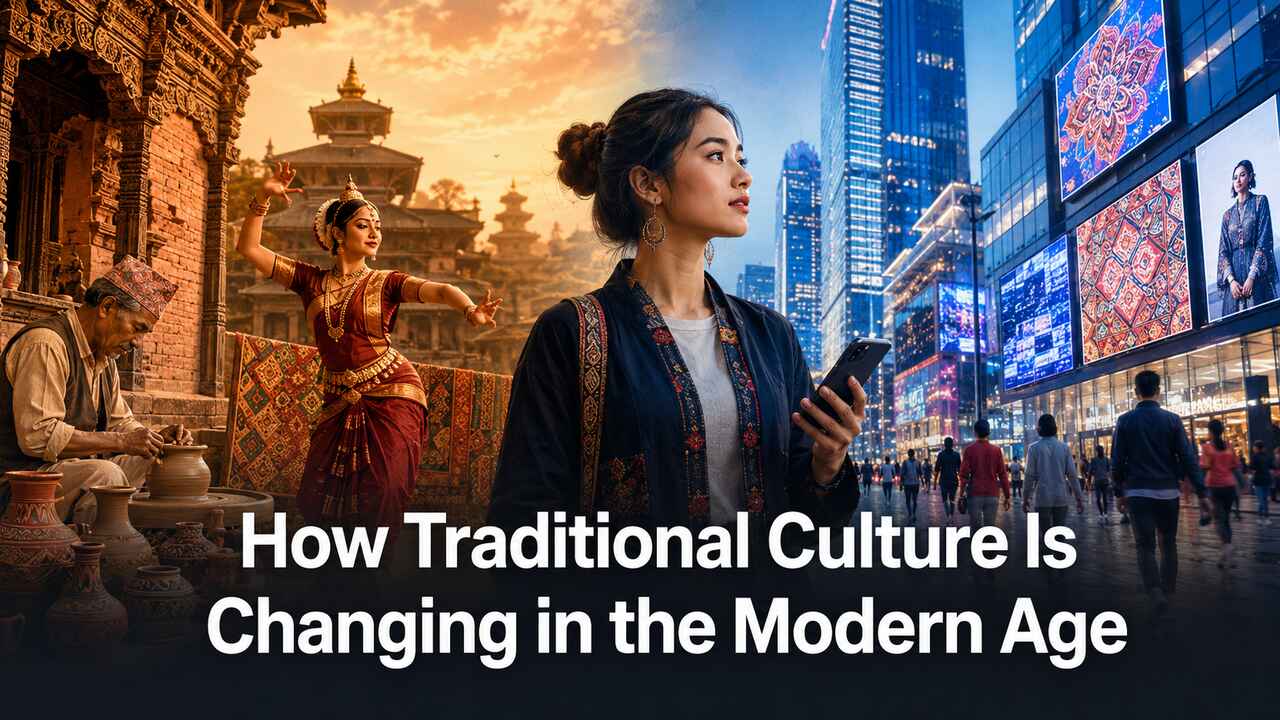
Traditional Culture: Traditions have played a significant role in culture since ancient times. They link people to the community’s heritage, values, language, beliefs, cuisine, clothes, festivals, arts, and music. For centuries, cultural practices were transferred from generation to generation by families and communities. Today, however, rapid modernization changes people’s lifestyles, methods of communication, employment, social interaction, and thinking. Thus, the nature of traditional culture undergoes changes, whether gradual or dramatic.
The transformations do not mean the disappearance of traditional culture; rather, they represent attempts to adapt cultural traditions to the new conditions of people’s lives.
Globalization Brings Different Cultures Together
The influence of globalization on traditional culture can be considered one of the most powerful influences. Modern transportation means, globalized education systems, migrations, tourism, and mass media have enabled cultural contacts among people belonging to various cultures.
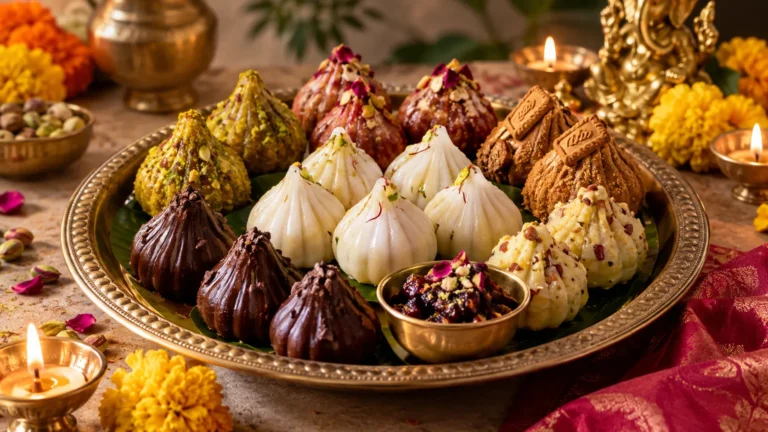
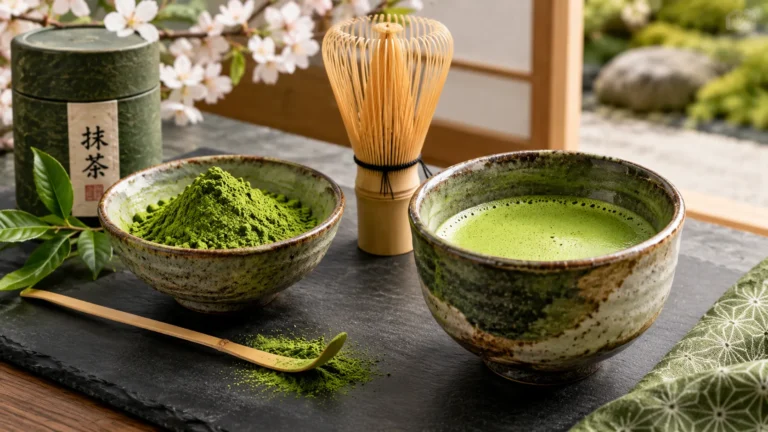
Food may serve as a good illustration of the process. The dishes characteristic of particular geographical areas are now available globally. Also, international music, fashion, movies, and festivals have become familiar to many societies.
On the one hand, cultural exchange may bring people closer to each other.
How Technology Is Changing Cultural Traditions
In addition to influencing means of communication, technology has brought changes to how cultures are shared and preserved. Previously, traditional songs, stories, crafts, and practices were primarily passed on through personal interactions. The internet has created a new platform for preserving and promoting cultures.
Using social media sites, people can easily record, upload, and share videos of dances, recipes, festivals, traditional dresses, music, and other practices with global audiences. A local cultural tradition can gain popularity worldwide very quickly.
Commercialization has also found its place at festivals. Various enterprises are using festivals to advertise and market themselves. Although it is possible to see economic benefits of such a phenomenon, some are afraid that excessive commercialization can destroy the cultural meaning of festivals.
Traditional Arts and Crafts Under New Threats
Traditional artisans and craftspeople experience many difficulties due to the modern economic environment. Mass products are cheaper and more accessible than handmade goods. Thus, youth may find no need to learn the arts.
However, innovation and progress can also open new horizons. Designers are using patterns, weaving techniques, embroidery, pottery, and other crafts in order to make new products. Online sales can help to sell products to distant clients.
Thus, innovation can become the means of cultural preservation. Instead of freezing the traditional art in the past, communities should let it change and evolve while preserving its essence.
New Family Structures Change Cultural Traditions
Changes in family structures affect cultural traditions as well. In many societies, joint families become rare as people move to big cities in order to receive education and find work there.
Moreover, with the help of digital technologies, practices that would otherwise be forgotten can be recorded and preserved. Such items as old photos, manuscripts, recordings, folk songs, and oral history can be digitized and preserved.
At the same time, the creation of digital culture has simplified some of the cultural practices. For instance, the description of a festival or ritual can be reduced to a short video or photograph, and the historical and social context will be lost.
Conclusion
Traditional culture is not simply a collection of old customs. It is a living and evolving part of society. Modernization, globalization, technology, and changing lifestyles are transforming the way traditions are practiced and understood.
Some customs may disappear, while others will survive by adapting to new circumstances. The future of culture will likely not be a choice between tradition and modernity, but a combination of both.
The most resilient traditions will be those that retain their meaning while finding new ways to connect with modern generations. In this changing world, preserving culture does not mean refusing change—it means carrying the most valuable parts of the past into the future.
Read More..