



Matcha Tea has moved from niche Japanese beverage to one of India’s fastest-rising drink trends. According to Google India, searches for “how to make matcha” increased 1,300% in India over the past year, with data covering searches through the end of August 2026. Searches for “matcha” and “what is matcha” also rose by 50%.
The trend is no longer limited to cafés. Indians are searching for matcha whisks, matcha bowls, matcha recipes and different combinations such as mango matcha and strawberry matcha. At the same time, searches related to “matcha health” increased 1,000%, showing that people are interested not just in its taste but also in its potential health effects.
But is Matcha Tea actually healthier than regular green tea? What happens when you drink it every day? And are there any side effects?
Here is what the current evidence says.
Why Is Matcha Tea Trending in India?
Matcha’s popularity in India appears to be driven by a combination of café culture, social media, home preparation and growing interest in wellness beverages.
Google India reported that searches for “how to make matcha” surged 1,300% during the past year. In August 2026, “matcha whisk” and “matcha bowl” also became breakout searches.
The drink is also being adapted to Indian tastes.
Searches for “mango matcha” increased 200%, while “strawberry matcha” rose 400% during summer. During the monsoon, “dirty matcha” and “coconut matcha” also attracted breakout interest.
This suggests that matcha is evolving from a traditional tea into a broader food and lifestyle trend.
What Is Matcha Tea?
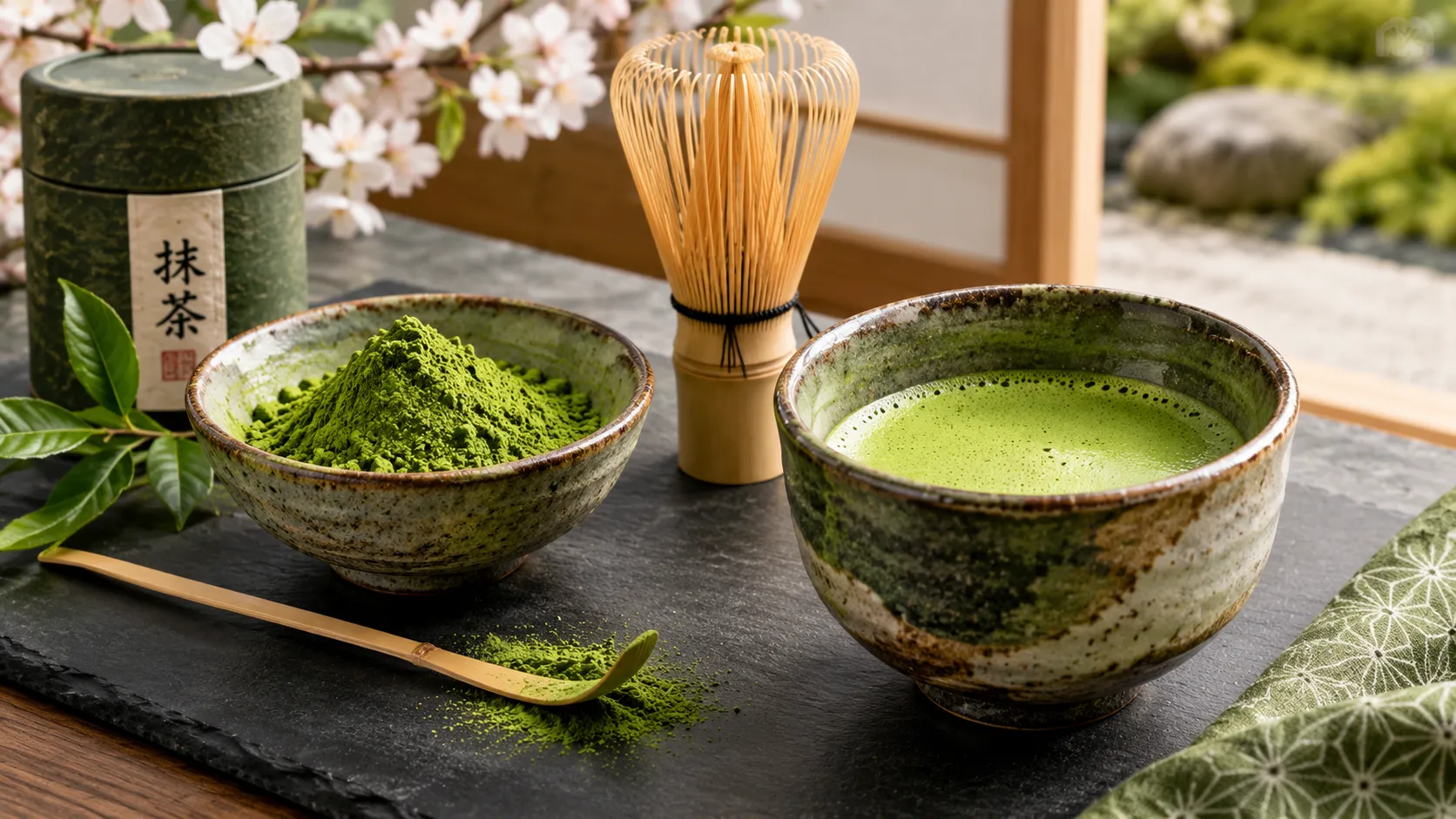
Matcha is a finely ground powder made from the leaves of the Camellia sinensis plant — the same plant used to make green tea.
The key difference is how it is consumed.
With conventional green tea, the leaves are steeped in water and then removed. With matcha, the powdered tea leaf itself is mixed into the water, meaning you consume the whole leaf.
Matcha is traditionally produced in Japan and is typically grown under shade before harvesting and processing. This cultivation method affects the plant’s composition and contributes to matcha’s distinctive colour and flavour.
Its flavour can be described as grassy, vegetal, slightly bitter and umami-rich, although quality and preparation make a substantial difference.
Matcha Tea vs Green Tea: What’s the Difference?
Matcha is a type of green tea, so the two should not be treated as completely separate beverages.
The biggest difference is preparation.
| Feature | Matcha | Regular Green Tea |
|---|---|---|
| Form | Fine powdered leaves | Whole/processed leaves |
| Consumption | Whole leaf is consumed | Leaves are steeped and removed |
| Caffeine | Generally higher | Generally lower |
| Antioxidants | Rich in catechins and other compounds | Also contains catechins |
| Preparation | Whisked into water | Steeped in water |
| Taste | Rich, vegetal, umami | Usually lighter |
Harvard Health notes that an 8-ounce serving can contain approximately 38–89 mg of caffeine in matcha, compared with about 23–49 mg in green tea and 100–120 mg in coffee. Actual amounts vary according to serving size and preparation.
So, matcha is not automatically “better” than green tea. They are different ways of consuming tea, with overlapping compounds and different preparation methods.
What Are the Potential Matcha Benefits?
Matcha contains several naturally occurring compounds that have been studied for their potential health effects.
However, it is important to separate potential benefits from proven medical effects. Research specifically on matcha in humans is still more limited than the marketing around the drink sometimes suggests.
1. Matcha Is Rich in Antioxidants
Matcha contains catechins, a group of polyphenols found in green tea.
One of the best-known compounds is EGCG (epigallocatechin gallate).
Antioxidants help protect cells from oxidative stress. Green-tea catechins have also been investigated for effects on cardiovascular and metabolic health.
Harvard Health notes that research on green tea compounds has found potential effects involving blood pressure and LDL cholesterol, although evidence specifically establishing major health benefits from matcha itself remains limited.
2. Matcha Contains L-Theanine
Matcha contains L-theanine, an amino acid naturally found in tea.
L-theanine has been associated with attention and alertness, while matcha’s combination of caffeine and L-theanine is one reason the drink is often promoted as providing a different experience from coffee.
However, claims that matcha automatically produces a particular type of calm or sustained concentration should not be treated as guaranteed effects.
3. It Provides Caffeine
Matcha can provide a significant caffeine boost.
According to Harvard Health, an 8-ounce serving may contain approximately 38–89 mg of caffeine, although the amount varies depending on how much matcha powder is used.
That means matcha can be useful for people looking for an alternative to coffee, but it also means caffeine-sensitive people should pay attention to the quantity and timing.
4. Matcha Can Fit Into a Healthy Diet
Plain matcha is relatively simple: powdered tea leaves and water.
The nutritional profile can change substantially when matcha is turned into a café-style drink containing sugar, flavoured syrups, whipped cream or large quantities of sweetened milk.
Therefore, calling every matcha latte a “health drink” would be misleading.
What Happens If You Drink Matcha Every Day?
For most healthy adults, moderate consumption of green tea as a beverage is generally considered safe, but individual tolerance to caffeine varies. The U.S. National Center for Complementary and Integrative Health notes that green tea consumed as a beverage has not raised safety concerns in adults, while also emphasizing that it contains caffeine.
If you drink matcha daily, the most noticeable effect may simply be the caffeine.
Depending on the amount consumed, people may experience:
- Increased alertness
- Greater caffeine intake
- Possible improvement in concentration
- Less dependence on coffee for some people
- Exposure to tea polyphenols and other plant compounds
But drinking more matcha does not necessarily mean getting more health benefits.
The amount, preparation and the rest of your diet matter.
Does Matcha Help With Weight Loss?
Matcha is frequently marketed as a weight-loss drink, but this claim needs to be treated carefully.
Green tea catechins and caffeine have been studied for their effects on metabolism and body weight. However, that does not mean drinking matcha will automatically cause significant weight loss.
There is no good reason to treat matcha as a substitute for a balanced diet, physical activity or evidence-based weight-management treatment.
A plain cup of matcha is also very different from a sweetened matcha latte containing substantial calories.
What Are the Side Effects of Matcha?
Because matcha contains caffeine, excessive consumption may cause problems in caffeine-sensitive individuals.
Possible effects can include:
- Trouble sleeping
- Nervousness or restlessness
- Headaches
- Stomach discomfort
- Increased heart rate in sensitive people
Harvard Health specifically recommends being mindful of matcha later in the day if caffeine affects your sleep.
The safety profile is also different for green-tea extracts and supplements. The NCCIH reports that side effects including nausea, constipation, abdominal discomfort and increased blood pressure have been associated with green-tea extract supplements. Rare cases of liver injury have also been reported, primarily with concentrated green-tea extracts rather than ordinary tea beverages.
That distinction is important: a cup of matcha should not automatically be equated with a concentrated green-tea supplement.
Who Should Be Careful With Matcha?
People who are particularly sensitive to caffeine should monitor their intake.
Pregnant or breastfeeding people should also consider total caffeine consumption from all sources. The NCCIH notes that green tea is a source of caffeine and advises people who are pregnant or may become pregnant to discuss appropriate caffeine intake with their healthcare provider.
People taking medications should also be cautious with concentrated green-tea products because tea products and supplements can interact with some medicines.
For anyone with a medical condition or taking regular medication, it is sensible to ask a healthcare professional about individual caffeine and supplement use.
How to Make Matcha at Home
The basic process is much simpler than many café-style recipes suggest.
Ingredients
- 1–2 teaspoons matcha powder, depending on strength
- About 60–80 ml hot water
- Optional milk for a matcha latte
- Optional sweetener
Method
Step 1: Sift the matcha
Put the matcha powder into a bowl or cup and sift it to remove lumps.
Step 2: Add hot water
Add a small amount of hot water. Avoid using aggressively boiling water because it can make the drink taste harsher.
Step 3: Whisk
Use a bamboo chasen or small whisk and rapidly whisk until the powder is evenly dispersed and a light layer of foam appears.
Step 4: Add more water
Once smooth, add more water according to your preferred strength.
Step 5: Make a latte
For a matcha latte, add warm or cold milk after preparing the concentrated matcha.
The important point is that matcha powder does not dissolve in the same way as instant coffee. Whisking helps suspend the fine particles evenly in the water.
Is Matcha Better Than Coffee?
There is no universal answer because it depends on what someone wants from a beverage.
Matcha generally contains less caffeine than coffee but more than many traditional green teas. Harvard Health estimates around 38–89 mg of caffeine for an 8-ounce matcha serving, compared with approximately 100–120 mg for coffee.
Matcha also contains tea compounds such as catechins and L-theanine.
Coffee, meanwhile, has its own extensive body of research and is a major source of caffeine for many people.
Therefore, the choice between matcha and coffee is better viewed as a matter of taste, caffeine tolerance, preparation and overall diet, rather than assuming one beverage is universally healthier.
Why Are People Searching for Matcha Health Benefits?
The health angle is becoming an important part of India’s matcha trend.
Google India reported that searches for “matcha health” increased 1,000%, while “matcha protein” rose 2,500% over the past year. Searches for “does matcha have caffeine” also increased 70%, while “matcha vs coffee” became a breakout search.
These searches show that consumers are moving beyond curiosity about the drink’s appearance and taste.
People increasingly want to know whether matcha can fit into their daily routines and how it compares with familiar caffeinated drinks.
Matcha’s Rise Goes Beyond Tea
The current trend is no longer limited to drinking matcha.
Matcha is increasingly appearing in:
- Lattes
- Smoothies
- Ice cream
- Cakes and desserts
- Protein drinks
- Fruit-based beverages
- Beauty and lifestyle products
Google’s data also showed rising interest in matcha-related products and combinations, including matcha whisks and bowls.
At the same time, other Japanese and Asian flavours are gaining attention in India. Ube, a purple yam, and Hōjicha, a roasted Japanese green tea, have also recorded major search interest in 2026.
The Bottom Line: Should You Drink Matcha Every Day?
Matcha can be part of a healthy diet for many people, particularly when consumed without excessive sugar or calorie-heavy additions.
It provides caffeine, catechins and other tea compounds, while research suggests potential health benefits associated with green-tea components. But the evidence does not support treating matcha as a miracle drink or a guaranteed weight-loss solution.
The current Indian trend is clear: matcha has moved from a niche café product toward a mainstream home beverage. Google’s 1,300% rise in “how to make matcha” searches shows that consumers are not merely ordering it — they are learning how to prepare it themselves.
For anyone trying matcha for the first time, the simplest approach is also the most practical: start with a modest serving, watch your total caffeine intake, avoid loading it with sugar, and pay attention to how your body responds.
FAQ
What is Matcha Tea?
Matcha is a finely powdered form of green tea made from the leaves of the Camellia sinensis plant. Unlike regular green tea, the powdered leaf itself is consumed after being whisked into water.
Why is Matcha Tea trending in India?
Google India reported that searches for “how to make matcha” increased 1,300% over the past year, while searches for “matcha” and “what is matcha” rose 50%.
Is matcha healthier than green tea?
Matcha and green tea are both forms of green tea. Matcha contains the powdered leaf, while conventional green tea is brewed and the leaves are removed. Matcha can therefore have different concentrations of caffeine and tea compounds, but it should not automatically be described as healthier.
Does Matcha Tea contain caffeine?
Yes. Harvard Health estimates that an 8-ounce serving of matcha can contain approximately 38–89 mg of caffeine, although the amount varies according to preparation.
What are the main matcha benefits?
Matcha provides catechins and other plant compounds, including EGCG and L-theanine. Research into green-tea compounds suggests possible cardiovascular and metabolic benefits, but more research is needed to establish specific health effects of matcha in humans.
Can you drink matcha every day?
Many healthy adults can consume green tea as a beverage safely, but matcha contains caffeine. Individual tolerance varies, so excessive consumption may cause sleep problems or other caffeine-related effects.
What are the side effects of matcha?
The most relevant concern is caffeine. Sensitive people may experience sleep problems, nervousness, headaches or stomach discomfort. Concentrated green-tea extracts have additional safety concerns that do not necessarily apply to ordinary tea beverages.
How do you make matcha at home?
Sift matcha powder into a bowl, add a small amount of hot water, whisk rapidly until smooth and lightly foamy, and then add more water or milk according to taste.
Is matcha good for weight loss?
Matcha contains caffeine and catechins that have been studied in relation to metabolism and body weight, but there is not enough evidence to treat matcha as a guaranteed weight-loss drink. A balanced diet and overall lifestyle remain more important.
“MUST READ”– 7 Most Expensive Indian Sarees and Why They Cost Lakhs