




Beauty Products: The beauty industry is entering a new phase in 2026, with beauty products increasingly becoming part of consumers’ everyday self-care routines. From skincare and sunscreen to makeup and fragrances, people are looking for beauty products that offer practical benefits while also fitting easily into their lifestyles. The latest trends suggest that consumers are becoming more selective, paying greater attention to ingredients, product performance and individual skincare needs.
The growing demand for innovative beauty products is also changing the way companies develop and market their products. Instead of focusing only on appearance, brands are combining cosmetics with skincare, protection and personal wellbeing. This shift is creating new opportunities for both established international companies and emerging beauty brands.
Skincare Leads the Beauty Products Market
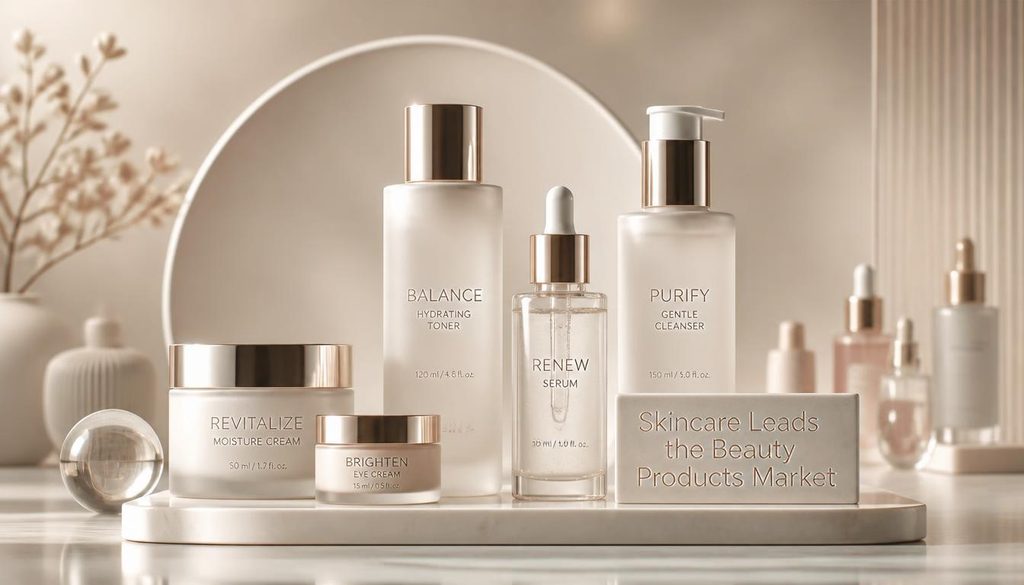
Skincare remains one of the strongest categories in the global beauty products industry. Consumers are showing continued interest in hydration, skin-barrier protection, sun care and targeted treatments. Market research indicates that the global skincare market is expected to experience significant growth during the coming years, with Asia-Pacific remaining an important region for the industry.
Lightweight formulations are particularly popular. Consumers want moisturisers, serums and other beauty products that provide hydration without making the skin feel heavy or uncomfortable. This is especially relevant in warm and humid climates, where breathable skincare formulations can be more convenient for everyday use.
Another major change is the increasing focus on ingredients. Customers are researching products before purchasing them and are becoming more familiar with ingredients such as ceramides, glycerin and other commonly used skincare components.
Sunscreen Becomes an Everyday Beauty Product
Sunscreen is also becoming an increasingly important beauty product rather than something used only during holidays or summer. Greater awareness about ultraviolet radiation and skin ageing has encouraged more consumers to include sun protection in their daily routines.
Japanese beauty company Shiseido is expanding its presence in India with Anessa, its premium sun-care brand. The company considers India an important long-term growth market and is looking to strengthen its retail and online presence.
The development reflects a broader trend in which consumers expect beauty products to combine protection with comfort and cosmetic appeal. Sunscreens that feel lightweight and work well underneath makeup are particularly attractive to daily users.
Makeup Trends Focus on Natural Results
Makeup is another area where consumer preferences are changing. Instead of heavy coverage, many shoppers are interested in beauty products that create natural-looking results while offering additional skincare or comfort benefits.
Recent launches have included blurring primers, tubing mascaras and other products designed for convenient everyday application. These products demonstrate how makeup companies are developing beauty products around practicality and ease of use.
Korean beauty continues to influence international markets as well. Korean skincare brands are introducing innovative products such as toner pads and other easy-to-use treatments. The popularity of these products highlights consumers’ interest in simple routines, new textures and ingredient-focused formulations.
Beauty Products Become Part of Self-Care
The meaning of beauty products is also changing. Cosmetics are increasingly being connected with self-care and personal wellbeing. A moisturiser, fragrance or makeup product may now be purchased not only to improve appearance but also to create a feeling of comfort, confidence or freshness.
Recent beauty coverage has highlighted lightweight face tints, moisturisers containing skin-supporting ingredients and fresh fragrances as popular choices for dealing with hot weather. This demonstrates how consumers are selecting beauty products according to their environment and everyday needs.
The trend towards self-care is particularly important for younger consumers, who often discover new beauty products through social media, online reviews and beauty creators. Digital platforms have made it easier for consumers to learn about ingredients, compare products and share their experiences.
Entertainment Influences Beauty Products
Beauty brands are also using entertainment and popular culture to attract customers. Charlotte Tilbury, for example, has introduced themed beauty kits connected with the upcoming release of Practical Magic 2. The collection brings together makeup and skincare items in specially designed sets.
Such collaborations show that beauty products are increasingly being marketed as experiences. Packaging, storytelling, entertainment partnerships and popular culture can influence consumers just as much as the formulation itself.
For beauty companies, these collaborations provide an opportunity to reach new audiences and create excitement around product launches.
India Becomes an Important Beauty Market
India is emerging as an increasingly significant market for international beauty products brands. The country’s large and young consumer population, growing online shopping sector and increasing interest in skincare have attracted global companies.
Brands are also expanding beyond major metropolitan areas and looking towards tier-two and tier-three cities. This could make a wider variety of beauty products available to consumers across the country.
Social media is playing an important role in this expansion. Consumers can now discover international and domestic beauty products through videos, reviews and recommendations, making the market more competitive.
What the Future Holds for Beauty Products
The beauty products industry is moving towards greater personalisation, functionality and innovation. Consumers increasingly want products that solve specific problems and fit naturally into their daily routines.
Whether it is a lightweight moisturiser, an effective sunscreen, a natural-looking makeup product or a refreshing fragrance, the demand for useful and convenient beauty products is likely to continue.
As brands compete for consumers, innovation will remain central to the industry. The future of beauty products may therefore be less about following short-lived trends and more about creating products that combine science, convenience, personalisation and self-care.
For consumers, this changing market could bring more choices and increasingly sophisticated beauty products designed for different skin types, lifestyles and climates. The beauty industry is evolving rapidly, and 2026 could prove to be an important year in that transformation.
The beauty industry is changing rapidly as consumers become more selective about products, ingredients and shopping channels. According to [latest beauty industry trends], the global beauty market is expected to continue growing through 2030.