




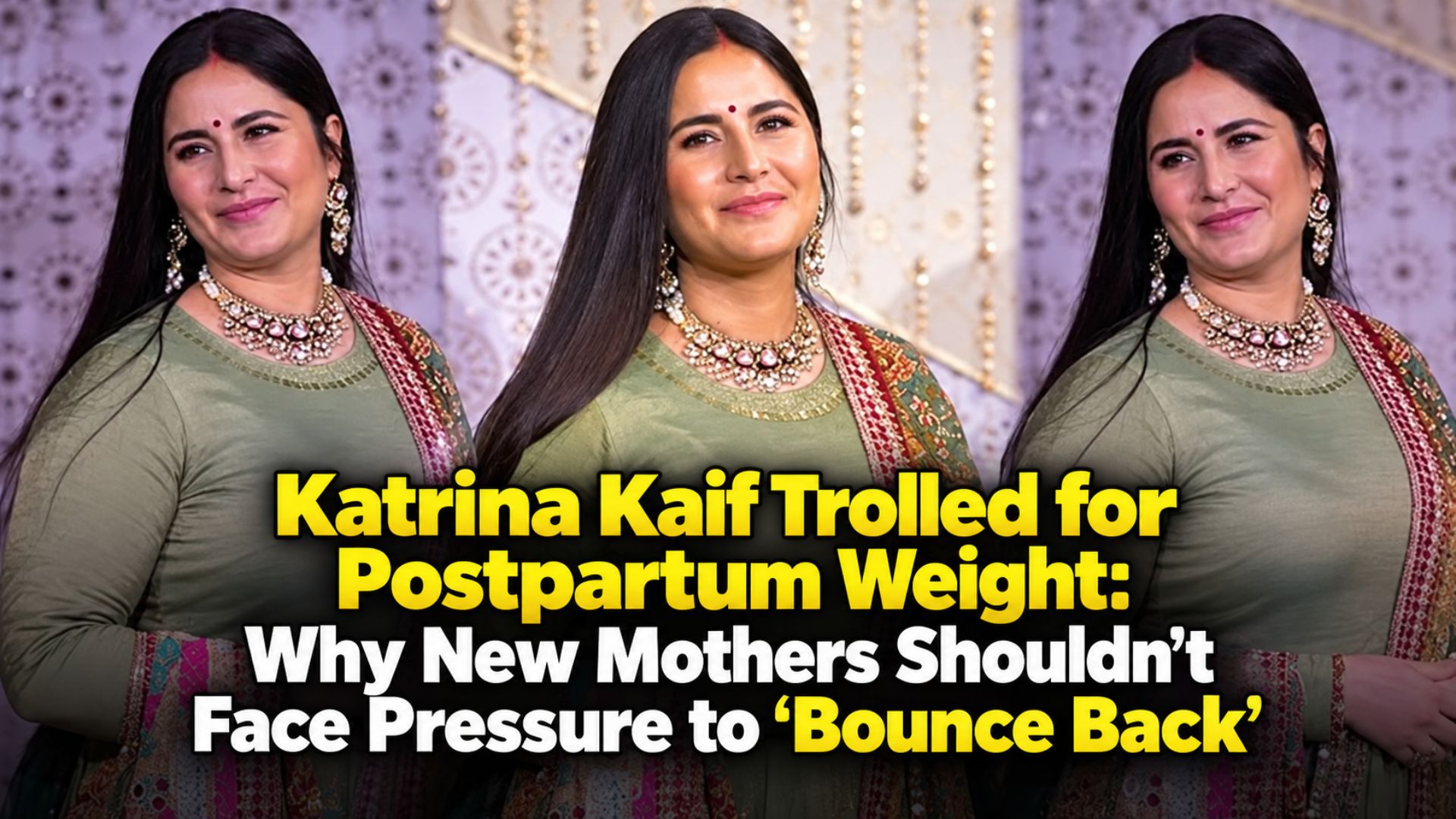
Katrina Kaif Trolled – Motherhood changes every part of a woman’s life from daily routines and sleep patterns to emotional wellbeing and physical recovery. In the age of media when a celebrity returns to public life after having a baby people often look first at her body not at how she is adjusting to motherhood. The question that rises is whether her body looks the same as it did before pregnancy.
Katrina Kaif has now found herself at the centre of that conversation. After a public appearance following her new motherhood, photos and videos of the Bollywood actress spread across the internet. Some social‑media users began commenting on her appearance and postpartum weight. Of focusing on the occasion or her return to the spotlight the online discussion moved toward how her body had changed after pregnancy. The Times of India reported that the comments sparked criticism from fans and other celebrities, who questioned why women are expected to return to their pre‑pregnancy appearance immediately after childbirth.
Television actress Shraddha Arya was among those who publicly responded to the discussion arguing against reducing women to comparisons between their bodies before and after pregnancy. Her response highlighted an issue: postpartum recovery is often presented online as a transformation challenge instead of a deeply individual physical and emotional process.
Pregnancy involves changes to the body and recovery does not follow one universal schedule. Medical guidance also treats postpartum health as a process rather than a race to reach a particular number on a weighing scale. The American College of Obstetricians and Gynecologists notes that losing pregnancy weight can take time and recommends eating, appropriate physical activity and sufficient recovery rather than crash‑diet approaches.
Katrina’s experience therefore raises a question that goes far beyond celebrity culture: when did childbirth become a deadline for women to get their “old body” back? Of measuring new mothers against edited photographs old red‑carpet appearances or unrealistic online standards the conversation needs to shift toward health, recovery, sleep, nutrition and emotional wellbeing.
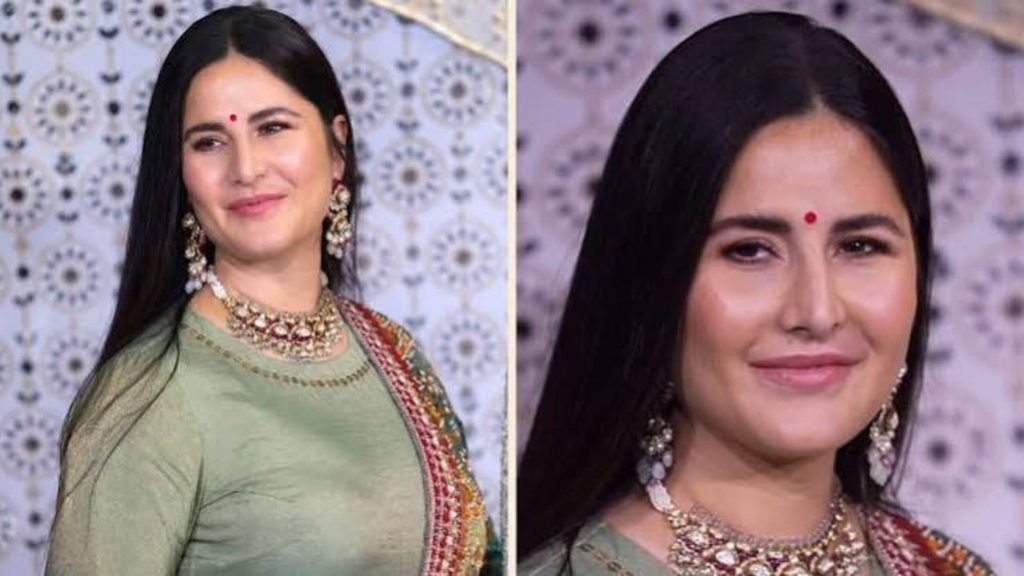
Why Katrina Kaif’s Postpartum Appearance Became a Talking Point
The discussion began after Katrina Kaif appeared publicly and videos from the occasion circulated across social media. While many fans welcomed her appearance, some comments focused specifically on changes in her body after motherhood. The reaction quickly turned into a wider conversation about the way new mothers, particularly celebrities, are scrutinised after pregnancy.
- Some online users commented on her postpartum weight.
- Fans criticised the unnecessary body scrutiny.
- The discussion expanded into a debate about body shaming.
- Other celebrities publicly supported Katrina.
- The incident highlighted unrealistic expectations placed on new mothers.
Why the “Bounce Back” Culture Can Be Problematic
The phrase “bounce back” may sound harmless but it can create the impression that pregnancy’s something a woman’s body must quickly erase. In reality childbirth and postpartum recovery are physical experiences. Women may also be dealing with breastfeeding disrupted sleep, hormonal changes, recovery from delivery and the demands of caring for a newborn.
There is no reason for every woman to look exactly as she did before pregnancy within a fixed number of weeks or months.
Medical advice also focuses primarily on health than rapid cosmetic transformation. ACOG recommends lifestyle‑based approaches to weight management and notes that postpartum weight loss can be difficult for many women. The NHS similarly recommends nutrition and appropriate physical activity and advises women who recently had a baby to seek personalised guidance when needed.
A healthier conversation would focus on whether a new mother is recovering properly rather than asking whether she has returned to a previous dress size.
- Recovery timelines differ from person to person.
- Rapid dieting is not the goal of postpartum healthcare.
- Sleep and emotional wellbeing also matter.
- Nutrition requirements may change during breastfeeding.
- Medical advice should take priority over social-media trends.
Social‑Media Expectation vs Real Postpartum Recovery
Pregnancy and childbirth do not create changes in every person. Genetics, pregnancy history, delivery, lifestyle, sleep, breastfeeding and overall health can all influence recovery. Therefore comparing one woman’s postpartum body with another’s—or with her pre‑pregnancy photographs provides very little meaningful information about her health.
| Social-Media Expectation | Healthier Perspective |
|---|---|
| Get your old body back quickly | Give the body adequate time to recover |
| Lose pregnancy weight immediately | Focus on gradual, sustainable health |
| Look the same as before pregnancy | Accept that physical changes can be normal |
| Follow celebrity transformation routines | Follow personalised medical guidance |
| Judge progress mainly by appearance | Consider strength, recovery and wellbeing |
What Should Healthy Postpartum Recovery Focus On?
A healthy postpartum period is much more than weight. For new mothers rebuilding strength, keeping nutrition balanced getting sufficient rest and adjusting emotionally to parenthood may be more important than achieving a particular appearance.
ACOG says activity after pregnancy can help improve energy, sleep, stress management and overall fitness and recommends around 150 minutes of moderate‑intensity aerobic activity per week for many postpartum women. However when and how exercise should resume can depend on the pregnancy, delivery and individual medical circumstances.
The NHS also advises parents to maintain a balanced diet and seek professional advice when considering weight loss especially when breastfeeding. asking a new mother “When will you lose the baby weight?” a more useful approach is to support recovery without turning appearance into a public performance. Prioritise balanced nutrition. Resume exercise according to guidance. Avoid diets and unrealistic deadlines. Pay attention to emotional recovery. Motherhood Does Not Come With a Body‑Transformation Deadline.
The discussion around Katrina Kaif’s postpartum appearance reflects a larger problem with the way womens bodies are viewed after pregnancy. A new mother should not have to treat childbirth as the beginning of a public weight‑loss challenge whether the new mother is a Bollywood celebrity or someone outside the eye.
Pregnancy changes the body and postpartum recovery is highly individual. Medical guidance supports sustainable health habits rather than immediate transformation.of comparing a womans current appearance with old photographs conversations around motherhood should focus on recovery, nutrition, strength, rest and emotional wellbeing. Katrina Kaif’s experience also shows how easily social media can turn body changes into a subject, for public judgement. A responsible culture would allow new mothers to recover at their own pace without treating weight as a measure of discipline, success or beauty.
Read more,
FAQs
1. Why is Katrina Kaif being discussed over her postpartum appearance?
Recent photos and videos of Katrina Kaif led some social-media users to comment on changes in her appearance and weight after motherhood, prompting a wider debate about postpartum body shaming.
2. Is weight gain after pregnancy normal?
Pregnancy naturally involves weight and body changes, and losing pregnancy-related weight can take time. Recovery varies significantly between individuals.
3. How quickly should women lose weight after childbirth?
There is no single cosmetic deadline that applies to everyone. Medical guidance generally emphasises gradual weight management through healthy eating and appropriate physical activity rather than rapid weight loss.
4. Is exercise recommended after pregnancy?
Physical activity can support postpartum health, but the appropriate time and intensity depend on individual circumstances. A healthcare professional can provide personalised advice.
5. Why can postpartum body shaming be harmful?
It can place unnecessary pressure on new mothers by treating appearance as more important than recovery, health and adjustment to motherhood.