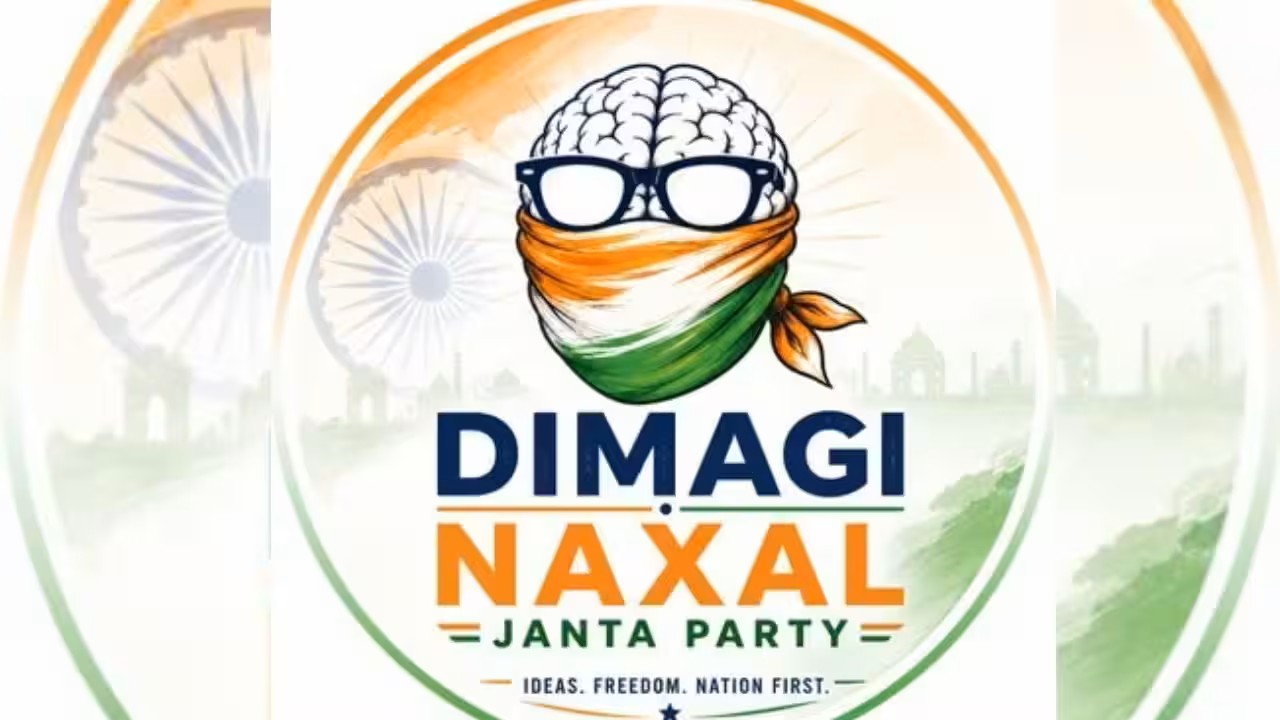
NEW DELHI, August 18, 2026 — A new social-media account calling itself the “Dimagi Naxal Party” has rapidly attracted attention in India after Prime Minister Narendra Modi used the phrase “dimagi Naxal” during his Independence Day address, turning a political warning into the name of an apparently satirical online movement.
But despite its use of the word “party”, there is no verified evidence available that a political organisation with this name has been formally established or registered to contest elections. The identity of the people behind the social-media initiative also remains unclear.
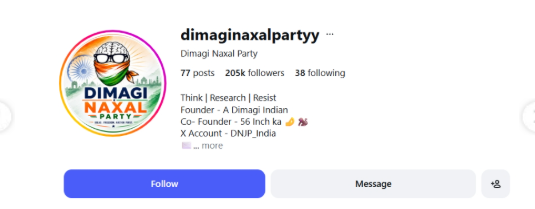
The account appeared over the weekend, shortly after Modi’s August 15 speech from the Red Fort. By August 17, The Times of India reported that the Instagram page had crossed 1.7 lakh followers. Other social-media posts subsequently claimed much higher numbers, but those figures could not be independently confirmed.
The timing is significant.
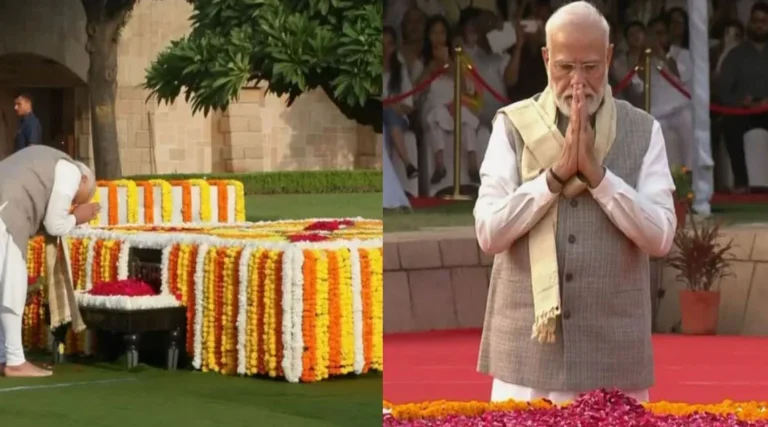
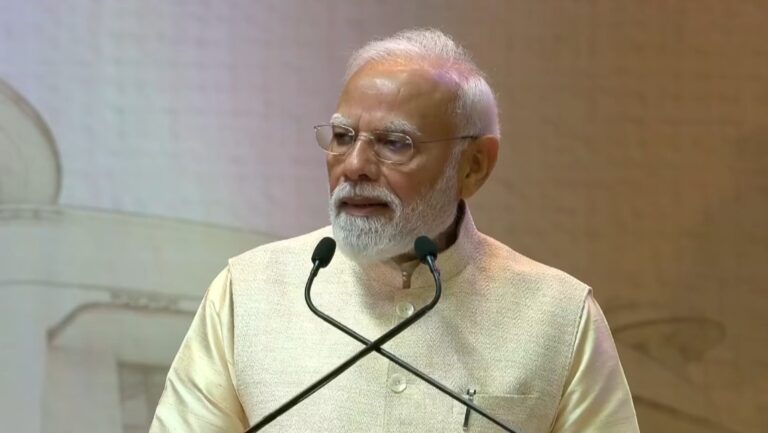
During his Independence Day speech, Modi said India’s armed Naxal movement was “breathing its last”, while warning that people with what he described as a Maoist mindset still posed a threat. He referred to them as “dimagi Naxals” and said such people needed to be identified and isolated.
The phrase immediately entered India’s political and online vocabulary.
From political warning to internet identity
Within days, social-media users began using “dimagi Naxal” ironically, with some embracing the label rather than rejecting it. The new Instagram account appears to have emerged from that reaction.
Posts and discussions surrounding the account have presented it less like a conventional political organisation and more like a digital satire project built around political commentary, humour and criticism.
That distinction matters.
There is currently no evidence establishing the account as a recognised political party, nor is there reliable public information identifying its founder, office-bearers, organisational structure, funding arrangements or plans to contest an election.
The Times of India, in reporting on the account on August 18, also noted that the identity of its founder remained a mystery. The publication described the account’s online presence as heavily influenced by Gen Z-style humour.
The account’s rapid growth nevertheless makes it politically relevant as a measure of how quickly a statement from India’s political leadership can be repurposed by social-media users.
The political controversy behind the name
The account did not emerge in isolation.
Modi’s use of “dimagi Naxal” has already triggered a political confrontation between the BJP and opposition figures.
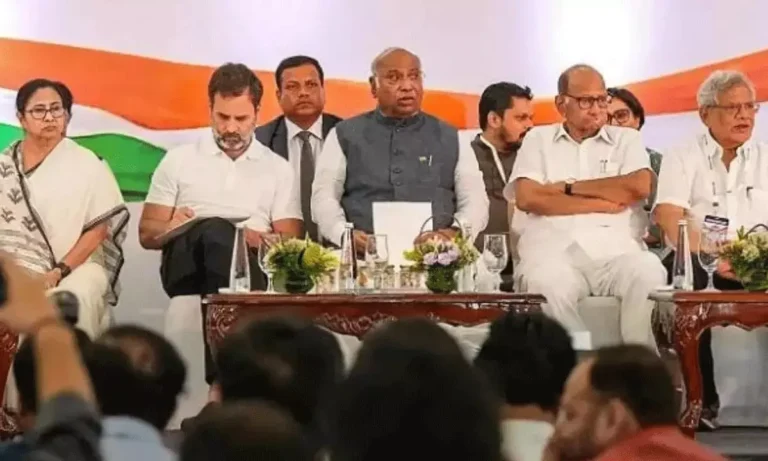
Former Union minister and senior Congress leader P. Chidambaram responded by saying he was “proud” to be described as a dimagi Naxal. His response was followed by criticism from BJP leaders, who argued that the remark trivialised the threat posed by Naxalism.
Parliamentary Affairs Minister Kiren Rijiju subsequently defended Modi’s position by invoking former prime minister Manmohan Singh’s earlier description of Naxalism as a major internal-security threat.
Assam Chief Minister Himanta Biswa Sarma also attacked Chidambaram over his response, questioning his record as home minister in dealing with Naxalism.
The result has been a political argument over two different questions: what constitutes support for Maoist ideology, and where the line lies between ideological sympathy, political dissent and legitimate criticism of a government.
Why the distinction matters
Naxalism in India has historically referred to an armed Maoist insurgency rooted in the 1967 uprising at Naxalbari in West Bengal. The movement subsequently developed into a long-running armed conflict involving Maoist groups and the Indian state, particularly across parts of central and eastern India.
The “Dimagi Naxal Party” phenomenon is different.
There is, at present, no evidence that the people operating the social-media account constitute an armed organisation or that the account represents a Maoist insurgent group.
That makes the name itself the story.
A phrase used by the prime minister to describe an ideological threat has been adopted by internet users as a form of political satire. The speed of that transformation shows how political language can acquire a life of its own once it enters India’s highly active social-media ecosystem.
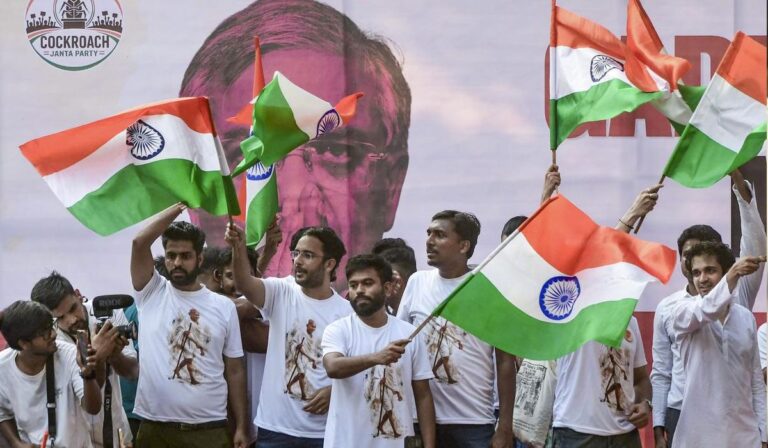
The phenomenon also follows the recent emergence of the Cockroach Janta Party (CJP), another youth-oriented political satire phenomenon that attracted significant attention online. The two developments have been linked in some social-media discussions, although there is no verified evidence that the people behind CJP are responsible for the Dimagi Naxal Party account.
What is known and what is not
Several facts can currently be established.
The social-media account exists or existed under the name “Dimagi Naxal Party”. It appeared shortly after Modi’s Independence Day speech. It attracted a large following within a very short period, with The Times of India reporting more than 205,000 followers by August 17.
What remains unclear is equally important.
The founder has not been publicly identified. There is no independently verified evidence establishing a formal political organisation behind the account. It is also unclear whether the initiative intends to remain an online satire project or develop into an organised political movement.
Social-media users have circulated claims that the account was removed, recreated or operated through multiple handles. Those claims could not be independently established from authoritative platform records and should therefore be treated cautiously.
“Sources Consulted“
Prime Minister Narendra Modi’s Independence Day speech — reported by AP and Indian news outlets: verified the August 15 reference to “dimagi Naxals”, Modi’s comments on armed Naxalism and his call to identify and isolate those he described as ideological threats.
A movement, a meme or something more?
For now, the safest description is a viral political-satire account, not a new registered political party.
Its significance lies in what happened after the phrase was introduced into the national political debate. Instead of remaining a label used by politicians to describe an ideological threat, “dimagi Naxal” was rapidly converted into an online identity that some users appear willing to claim for themselves.
Whether that translates into an organised political movement is unknown.
The more immediate development is the speed with which India’s Gen Z-heavy online political culture has turned a contentious political phrase into a brand, a meme and a possible vehicle for political expression.
The next questions are therefore organisational rather than rhetorical: who controls the account, whether the people behind it intend to identify themselves, whether they have any formal political ambitions, and whether the initiative remains confined to social media.
Until those questions are answered, calling the Dimagi Naxal Party a political party would go beyond the evidence.
“Must Read”
झारखंड में छात्र नेता ने 16 दिन बाद भूख हड़ताल खत्म की, JSSC-CGL परीक्षा रद्द
जंतर-मंतर प्रदर्शन का ‘सीजन 2’ जल्द शुरू होगा: CJP प्रमुख अभिजीत दिपके का ऐलान