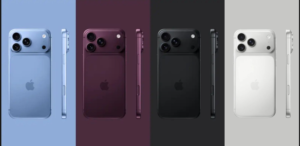





Google’s Android 17 update is now available on supported Pixel devices, but the software story has already moved beyond the initial June release. Google is currently testing Android 17 QPR2, with Beta 3 released for Pixel devices on August 14, 2026.
The latest beta fixes notification-shade and battery-health issues and adds a new security measure designed to make programmatic call forwarding harder to abuse for fraud.
Android 17 itself launched for Pixel devices on June 16, bringing new multitasking tools, creator features, gaming improvements and additional security controls.
What is the latest Google Pixel Android 17 update?
The latest Android 17 development update for Pixel phones is Android 17 QPR2 Beta 3, released on August 14, 2026.
Google’s changelog says Beta 3 fixes an issue that could cause visual corruption and an unexpected restart when users opened the notification shade and Quick Settings. It also fixes incorrect battery-capacity-degradation warnings shown by the Device Health and Support tool.
The release also introduces hardening against call-forwarding fraud, adding security restrictions around programmatic call forwarding.
QPR stands for Quarterly Platform Release. Google uses these releases to deliver additional fixes, improvements and features between major Android versions, with Pixel devices receiving them as part of Feature Drops.
Android 17 is already available for Pixel phones
Google officially launched Android 17 for Pixel devices on June 16, 2026.
The release included several user-facing changes, including the ability to turn virtually any app into a floating Bubble for easier multitasking. Google also highlighted improved screen recording, creator tools, gaming improvements for foldables and enhanced privacy and security controls.
Google’s Android 17 download page confirms that supported Pixel owners can check for the update directly through their device settings.
What are the biggest Android 17 features?
1. Apps can become floating Bubbles
One of Android 17’s most noticeable changes is the expanded Bubbles functionality.
Instead of restricting the feature mainly to conversations, Android 17 allows users to turn apps into floating interfaces. This can make it easier to keep a map, note, tutorial or another app accessible while working elsewhere.
On larger devices, Google also provides a Bubble Bar designed to make multitasking easier.
2. Improved screen recording
Android 17 also brings new creator-focused screen-recording functionality.
Google’s June Pixel Drop introduced Screen reactions, allowing users to combine screen recordings with selfie video. Google describes it as a Pixel-first feature designed for reaction videos, tutorials and other content creation.
3. Better privacy and security
Security is another major focus of Android 17.
Google highlights temporary location access and protections intended to help secure devices if they are stolen. The latest QPR2 Beta 3 goes further by adding restrictions designed to combat fraudulent programmatic call forwarding.
4. Gaming and foldable improvements
Android 17 includes improvements aimed at gaming and large-screen devices, including optimized gaming modes for foldables.
These changes are part of Google’s broader effort to make Android more consistent across traditional smartphones, foldables and other larger-screen hardware.
Which Google Pixel phones support Android 17?
Google’s Android 17 documentation lists a broad range of supported Pixel devices, beginning with the Pixel 6 generation and extending through newer Pixel models.
The supported lineup includes:
| Device | Android 17 status |
|---|---|
| Pixel 6 | Supported |
| Pixel 6 Pro | Supported |
| Pixel 6a | Supported |
| Pixel 7 series | Supported |
| Pixel 7a | Supported |
| Pixel Tablet | Supported |
| Pixel Fold | Supported |
| Pixel 8 series | Supported |
| Pixel 8a | Supported |
| Pixel 9 series | Supported |
| Pixel 9a | Supported |
| Pixel 9 Pro Fold | Supported |
| Pixel 10 series | Supported |
| Pixel 10a | Supported |
Google’s developer documentation also lists these devices among those validated for Android 17 QPR2 builds.
However, support for Android 17 itself does not mean every device will receive every future QPR release.
Pixel 6 and Pixel 6 Pro face an important cutoff
Pixel 6 and Pixel 6 Pro owners should pay particular attention to the Android 17 QPR schedule.
Google confirmed that the Pixel 6 and Pixel 6 Pro will not receive Android 17 QPR2, because the devices will reach end of life before the December 2026 QPR2 release. Android 17 QPR1 is expected to be the final QPR series for those two phones.
The Pixel 6 and 6 Pro launched in October 2021. Google subsequently extended their update support to five years, but that support window is now approaching its end.
The Pixel 6a has a different support timeline and is expected to continue receiving updates until July 2027.
This distinction is important because searches for “Pixel 6 Android 17 update” can refer to the main Android 17 release, which the phone supports, or future QPR releases, which have different eligibility.
What is Android 17 QPR2?
Android 17 QPR2 is the next quarterly release following QPR1.
Google released QPR2 Beta 1 on July 20, followed by Beta 2 on August 3 and Beta 3 on August 14. The QPR2 release is associated with the fourth quarter of 2026, with the public release expected around the December timeframe.
QPR2 is not a completely new Android version. Instead, it builds on Android 17 with fixes, improvements and additional platform changes.
Google says these quarterly releases are delivered to AOSP and supported Pixel devices as Feature Drops.
What did Android 17 QPR1 bring?
Before QPR2, Google spent several months testing Android 17 QPR1.
The QPR1 beta program included numerous bug fixes across areas such as Quick Settings, camera behavior, Game Dashboard, display handling and system stability.
QPR1 Beta 6 reached the Platform Stability milestone in July, meaning the APIs were considered finalized for developers.
That testing phase paved the way for the next quarterly release now being tested as QPR2.
Are there Android 17 problems on Pixel phones?
As with major software releases, some Pixel users have reported problems following the Android 17 upgrade.
One notable issue affected some users’ home-screen widgets. Reports indicated that certain widgets could disappear after updating and, in some cases, were not immediately available in the widget picker.
Google’s subsequent Android 17 development has focused heavily on bug fixes and stability improvements.
The August Pixel update also included security fixes and bug fixes for newer Pixel models. Android Authority reported that Pixel 10 devices received fixes involving game-related crashes as well as GPU and touchscreen problems.
How to check for Android 17 on a Pixel phone
If you own a supported Pixel, you can manually check for an update:
- Open Settings.
- Go to System.
- Select Software updates.
- Check for available updates.
- Install the update if it is offered.
Google recommends backing up important data before installing major software updates. Its Android 17 documentation says supported Pixel devices can receive the software over the air without normally requiring a full data reset.
Users who join Android beta programs should be more cautious because beta software is intended for testing and may contain unresolved bugs.
Should you install the Android 17 beta?
For most Pixel owners, the stable Android 17 release is the safer choice.
QPR beta builds are primarily useful for enthusiasts and developers who want to test upcoming features before the public release. Google continues to fix issues throughout the beta cycle, as demonstrated by the rapid sequence of QPR2 Beta releases in July and August.
If the phone is your primary device for work, banking or other important tasks, waiting for the stable QPR release is generally the more conservative approach.
What happens next for Google Pixel users?
The immediate focus is Android 17 QPR2.
With Beta 3 now available, Google is continuing to address stability and security issues ahead of the expected fourth-quarter public release. The latest beta’s call-forwarding protections also show that Google is using quarterly releases to respond to emerging security concerns rather than limiting major changes to annual Android launches.
For Pixel 6 and Pixel 6 Pro owners, the situation is different: Android 17 QPR1 is expected to be the last QPR series for those phones, making the devices’ remaining security updates particularly important.
“Must Read”
Pixel 11 Pro XL vs iPhone 17 Pro Max: How Google’s New Flagship Stacks Up Against Apple
Google Tensor G6: Pixel 11 का नया चिपसेट AI, कैमरा और पावर एफिशिएंसी पर क्यों दे रहा है जोर?
FAQ
What is the latest Android 17 update for Google Pixel?
The latest Android 17 beta update is QPR2 Beta 3, released August 14, 2026. It includes bug fixes and new protection against programmatic call-forwarding fraud.
Is Android 17 available for Pixel phones?
Yes. Google released Android 17 for supported Pixel devices on June 16, 2026.
Which Pixel phones get Android 17?
Android 17 supports Pixel devices beginning with the Pixel 6 generation, along with the Pixel Tablet, Pixel Fold and newer Pixel generations.
Will Pixel 6 get Android 17 QPR2?
No. Google confirmed that Pixel 6 and Pixel 6 Pro will not receive Android 17 QPR2 because they reach end of life before the December 2026 release.
Will Pixel 6a get Android 17 updates?
The Pixel 6a continues to have a longer support window and is expected to receive updates through July 2027.
What are the main Android 17 features?
Major features include expanded Bubbles for multitasking, improved screen recording, creator tools, gaming improvements for foldables and enhanced security and privacy controls.
Is Android 17 QPR2 stable?
No. QPR2 Beta 3 is beta software. The stable QPR2 release is expected later in 2026.
Bottom line
Android 17 is already available for supported Google Pixel phones, while Android 17 QPR2 is currently in beta testing. The latest QPR2 Beta 3, released August 14, brings additional fixes and a new anti-fraud security measure targeting programmatic call forwarding.
For most Pixel users, the key update is simple: install the stable Android 17 release if it is available for your device, but treat QPR2 beta builds as testing software. Pixel 6 and Pixel 6 Pro users should also be aware that they will not receive QPR2 because their support period ends before that release.