



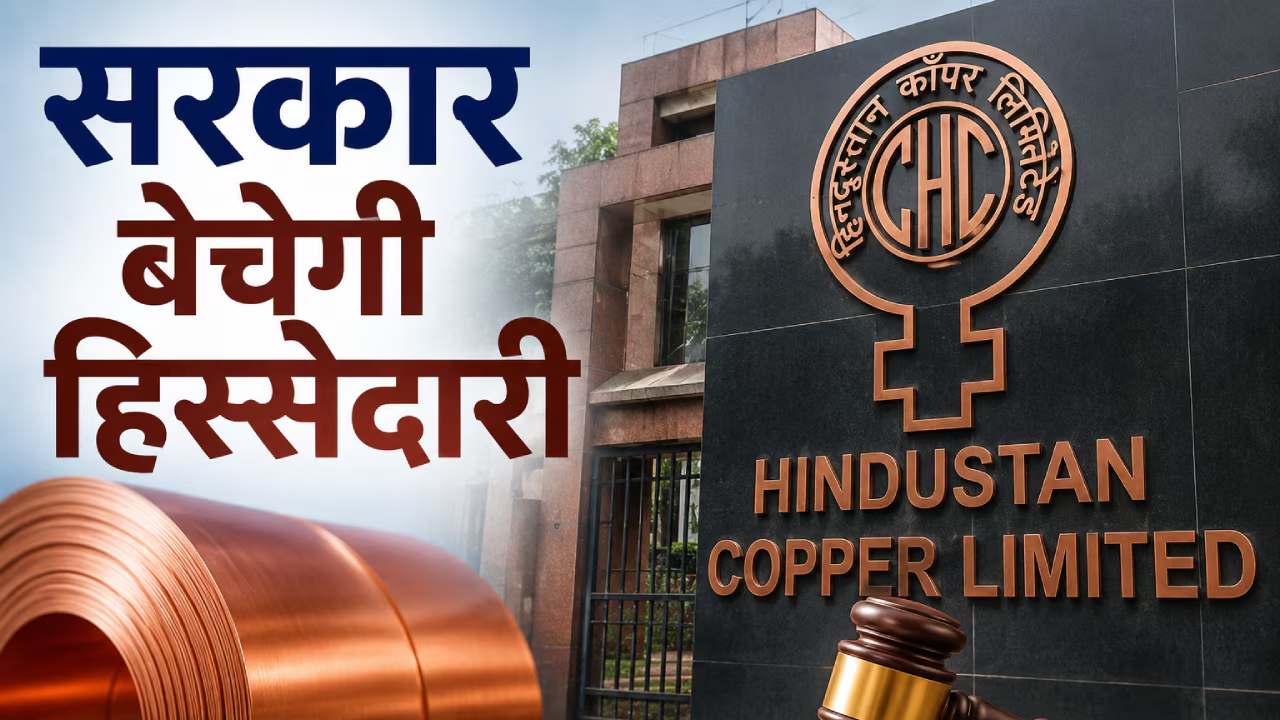
Hindustan Copper Stake Sale: केंद्र सरकार ने हिंदुस्तान कॉपर में अपनी हिस्सेदारी घटाने का निर्णय लिया है। सरकार कंपनी में अपनी कुल 6% हिस्सेदारी को ऑफर फॉर सेल (OFS) के माध्यम से बेचेगी। इस हिस्सेदारी बिक्री के जरिये सरकार को लगभग ₹3,000 करोड़ प्राप्त होने की उम्मीद है।
सरकार ने इस बिक्री के लिए शेयर का न्यूनतम मूल्य ₹514 तय किया है। यह मूल्य 24 अगस्त को शेयर के समापन मूल्य से कम है, जिससे OFS निवेशकों के लिए यह प्रस्ताव विशेष रूप से आकर्षक हो गया है।
Hindustan Copper Stake Sale क्या है?
हिंदुस्तान कॉपर स्टेक बिक्री के तहत, सरकार हिंदुस्तान कॉपर लिमिटेड में अपनी हिस्सेदारी का एक हिस्सा बाजार में बिक्री के लिए प्रस्तुत करेगी। यह प्रक्रिया एक ओपन मार्केट बिक्री (OFS) के माध्यम से होगी।
OFS एक ऐसी प्रणाली है जिसमें किसी कंपनी के मौजूदा बड़े शेयरधारक, जैसे कि सरकार, अपने शेयरों को स्टॉक एक्सचेंज के जरिए निवेशकों को बेच सकते हैं। इस मामले में, बिक्री का मुख्य उद्देश्य सरकारी हिस्सेदारी को घटाना और सरकार के लिए पूंजी जुटाना है।
सरकार कितनी हिस्सेदारी बेचेगी?
सरकार Hindustan Copper में 6% तक हिस्सेदारी बेचने की योजना बना रही है। इसके जरिए करीब ₹3,000 करोड़ जुटाने का लक्ष्य बताया गया है।
OFS का फ्लोर प्राइस कितना है?
इस OFS के लिए ₹514 प्रति शेयर का फ्लोर प्राइस निर्धारित किया गया है। 24 अगस्त को Hindustan Copper का शेयर BSE पर करीब ₹573.6 पर बंद हुआ था, जबकि Reuters के अनु
Hindustan Copper Share Price पर क्या हो सकता है असर?

Hindustan Copper के शेयरों की बिक्री की खबर ने स्वाभाविक रूप से निवेशकों का ध्यान आकर्षित किया है। OFS में यह शेयर वर्तमान बाजार मूल्य से कम कीमत पर उपलब्ध है, जिससे निवेशकों की रुचि बढ़ने की संभावना है।
लेकिन, इसका मतलब यह नहीं है कि शेयर की कीमत का बढ़ना या गिरना सुनिश्चित है। OFS के दौरान बाजार में अतिरिक्त शेयरों की उपलब्धता से इसकी सप्लाई पर असर पड़ सकता है। इसके अलावा, कॉपर की मांग, कंपनी के उत्पादन क्षमता, वैश्विक कॉपर कीमतों और निवेशकों की धारणा जैसे विविध कारक भी शेयर के प्रदर्शन में महत्वपूर्ण भूमिका निभाते हैं।
सरकार Hindustan Copper में हिस्सेदारी क्यों बेच रही है?
सरकारी कंपनियों में हिस्सेदारी बेचना केंद्र सरकार की विनिवेश योजना का एक महत्वपूर्ण हिस्सा है। हिंदुस्तान कॉपर की हिस्सेदारी बिक्री भी इसी व्यापक योजना के अंतर्गत देखी जा रही है।
इस प्रकार की हिस्सेदारी बिक्री सरकार को सरकारी संपत्तियों का आंशिक मोनेटाइजेशन करने और बजट संबंधी वित्तीय लक्ष्यों के लिए आवश्यक संसाधन जुटाने में सहायता कर सकती है।
Times of India के अनुसार, यह चालू वित्त वर्ष में सरकार की 10वीं विनिवेश पहल है।
Hindustan Copper क्यों महत्वपूर्ण है?
हिंदुस्तान कॉपर देश की प्रमुख सरकारी कंपनियों में से एक है। कंपनी का महत्व तब और बढ़ जाता है जब भारत में कॉपर की मांग लगातार बढ़ रही है।
कॉपर का उपयोग विभिन्न क्षेत्रों में किया जाता है, जैसे कि बिजली उत्पादन, इलेक्ट्रॉनिक्स, बुनियादी ढांचे, नवीनीकरणीय ऊर्जा, और इलेक्ट्रिक वाहनों में। हाल ही की एक रिपोर्ट के अनुसार, भारत में कॉपर की मांग घरेलू उत्पादन से कहीं अधिक है, जिसके कारण देश को अपनी जरूरतों को पूरा करने के लिए आयात पर निर्भर रहना पड़ता है।
कॉपर सेक्टर के लिए क्यों अहम है यह खबर?
भारत में इलेक्ट्रिफिकेशन, इंफ्रास्ट्रक्चर और नई ऊर्जा से जुड़े क्षेत्रों के विस्तार के साथ कॉपर की जरूरत बढ़ने की संभावना है। ऐसे माहौल में Hindustan Copper की खनन और कॉपर से जुड़ी गतिविधियां रणनीतिक महत्व रखती हैं।
Reuters ने इस महीने यह भी रिपोर्ट किया था कि Hindustan Copper Chile की सरकारी कंपनी Codelco से जुड़े खनन अवसरों पर काम कर रही है और भविष्य में वहां से मिलने वाले कॉपर concentrate को भारत में बेचने की योजना पर विचार कर रही है।
₹514 का फ्लोर प्राइस क्यों चर्चा में है?
OFS का ₹514 का न्यूनतम मूल्य पिछले बाजार बंद स्तर से कम है। उपलब्ध रिपोर्टों से पता चलता है कि यह करीब 11.6% की छूट है, यदि ₹573.6 के BSE बंद मूल्य को आधार मानें।
निवेशकों के लिए यह अंतर महत्वपूर्ण हो सकता है, लेकिन केवल छूट के आधार पर निवेश का निर्णय लेना सही नहीं होगा। कंपनी के वित्तीय प्रदर्शन, कॉपर की कीमतें, भविष्य की उत्पादन क्षमता और बाजार की स्थिति को भी ध्यान में रखना आवश्यक है।
निवेशकों को क्या समझना चाहिए?
Hindustan Copper Stake Sale को केवल सरकार द्वारा शेयर बेचने की खबर के रूप में नहीं देखना चाहिए। इसके कई संभावित प्रभाव हो सकते हैं।
1. शेयर सप्लाई बढ़ सकती है
OFS के जरिए बड़ी संख्या में शेयर बाजार में आने से कुछ समय के लिए सप्लाई बढ़ सकती है।
2. डिस्काउंट निवेशकों को आकर्षित कर सकता है
₹514 का फ्लोर प्राइस हालिया बाजार भाव से नीचे है। इससे OFS में संस्थागत और अन्य पात्र निवेशकों की दिलचस्पी बढ़ सकती है।
3. सरकार की हिस्सेदारी घटेगी
6% तक हिस्सेदारी बिकने के बाद कंपनी में सरकार की हिस्सेदारी पहले की तुलना में कम हो जाएगी।
4. कॉपर सेक्टर की संभावनाएं महत्वपूर्ण रहेंगी
लंबी अवधि में कंपनी का प्रदर्शन केवल OFS पर निर्भर नहीं करेगा। कॉपर की मांग, उत्पादन क्षमता, खनन परियोजनाएं और वैश्विक बाजार की परिस्थितियां भी महत्वपूर्ण भूमिका निभाएंगी।
Hindustan Copper Stake Sale: निवेशकों के लिए आगे क्या?
आने वाले समय में निवेशकों की नजर OFS की वास्तविक मांग, शेयर की कीमत और बिक्री के बाद बाजार की प्रतिक्रिया पर रहेगी।
इसके साथ ही Hindustan Copper की भविष्य की विस्तार योजनाएं भी महत्वपूर्ण रहेंगी। खासकर कॉपर की बढ़ती घरेलू मांग को देखते हुए कंपनी के खनन और सप्लाई विस्तार से जुड़े कदमों पर बाजार की नजर बनी रह सकती है।
निष्कर्ष
सरकार का Hindustan Copper में हिस्सेदारी बेचने का कदम एक महत्वूपर्ण विनिवेश प्रक्रिया है। इसके तहत Hindustan Copper की 6% हिस्सेदारी ओएफएस के माध्यम से बेची जाएगी। शेयर की फ्लोर प्राइस ₹514 रखी गई है, और इस बिक्री से लगभग ₹3,000 करोड़ जुटाने का लक्ष्य रखा गया है, जिससे यह डील निवेशकों के लिए चर्चा का बड़ा विषय बन गया है।
हालांकि ओएफएस में प्रस्तावित छूट आकर्षक लग सकती है, लेकिन निवेशकों को किसी भी निर्णय से पहले कंपनी की बुनियादी स्थिति, तांबे के उद्योग की वर्तमान स्थिति और संभावित बाजार जोखिमों का ध्यानपूर्वक मूल्यांकन करना चाहिए। Hindustan Copper की हिस्सेदारी की बिक्री का वास्तविक प्रभाव ओएफएस के संपूर्ण होने के बाद और उसके बाद बाजार की प्रतिक्रिया से ही स्पष्ट होगा।
For More – Latest News