



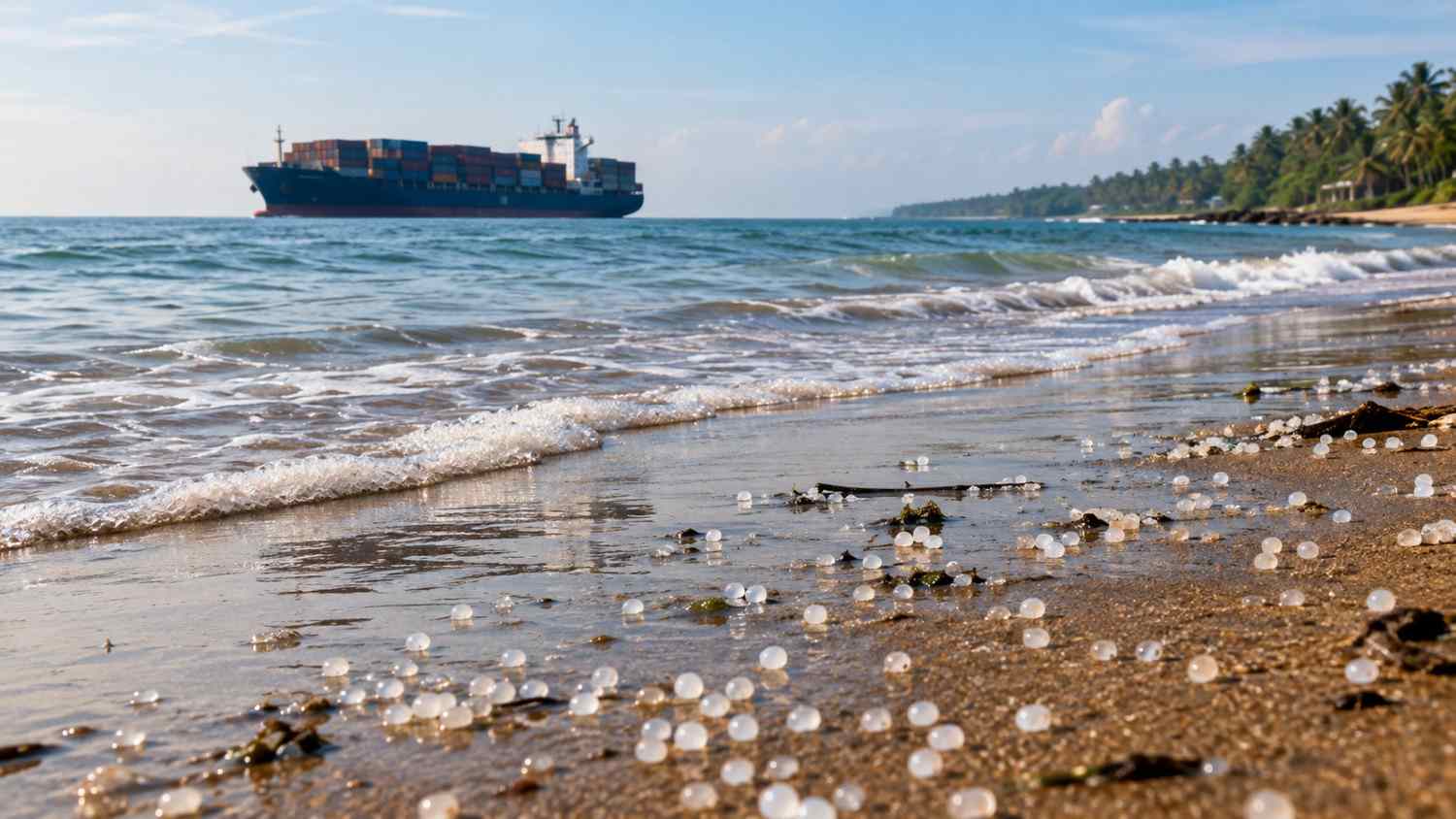
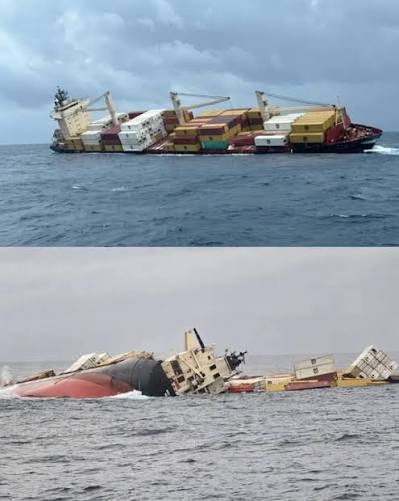
The MSC Elsa 3 plastic pellets spill has become a significant marine pollution issue along the southern coast of India. The Liberia-flagged cargo vessel sank off the Kerala coast on May 25, 2025, releasing plastic pellets, commonly known as nurdles, into the Arabian Sea. Carried by ocean currents and waves, these plastic pellets later reached several coastal areas of Kerala and Tamil Nadu, raising concerns about marine ecosystems, fishing communities, and long-term coastal pollution.
Nurdles are plastic beads used as raw material for manufacturing plastic products. Their light weight and ability to move around with water currents makes recovery of nurdles after marine spillage extremely difficult. As per International Maritime Organization (IMO), plastic pellets spillage in the oceans may cause harm to marine life and hinder the fishing and tourism industries.
Nurdles pollution has been recently studied in the southern coasts of India including coasts of Kerala, Kanyakumari, and Gulf of Mannar.
What happened to MSC Elsa 3?
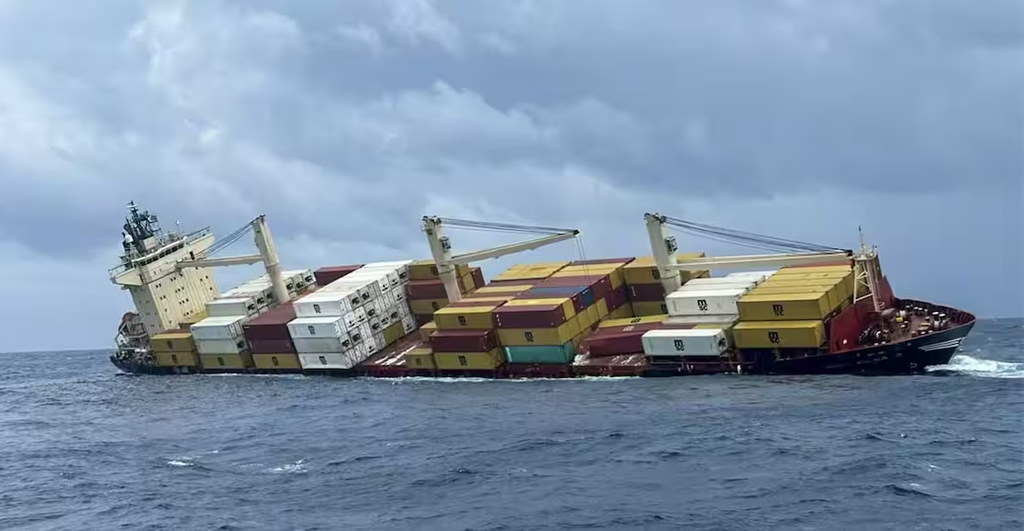
The sinking of the ship, MSC Elsa 3, took place in the Arabian Sea off the Kerala coast on 25 May 2025, which was carrying hundreds of shipping containers, with some of them containing plastic pellets. The pellets were washed into the sea and later collected along the coastal region of both Kerala and Tamil Nadu.
Subsequently, scientific studies found a large number of nurdles along the beaches, as well as studied the risk factors of the plastic pellets on the ecosystem.
Thus, this event has now turned into a marine debris issue.
What Are Nurdles?
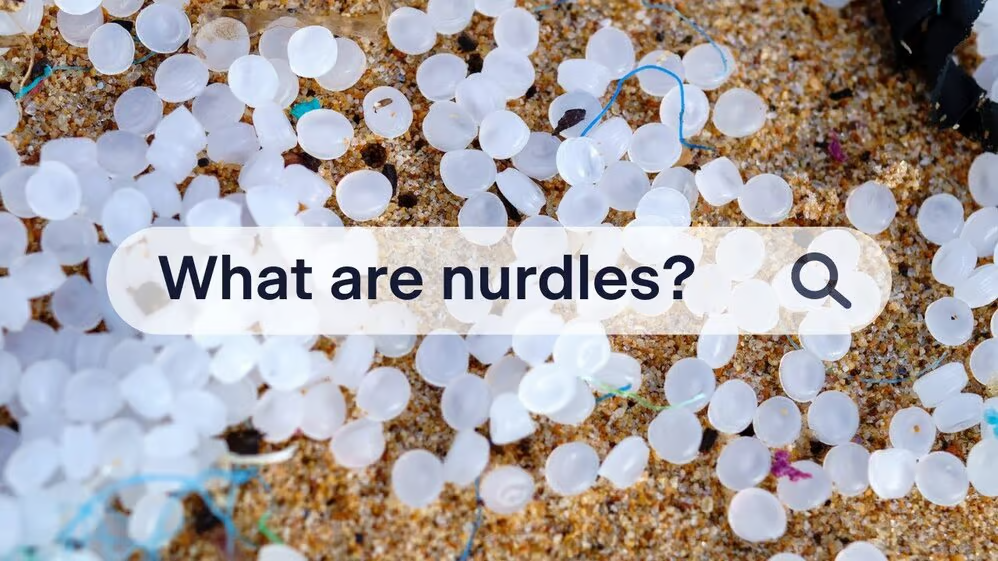
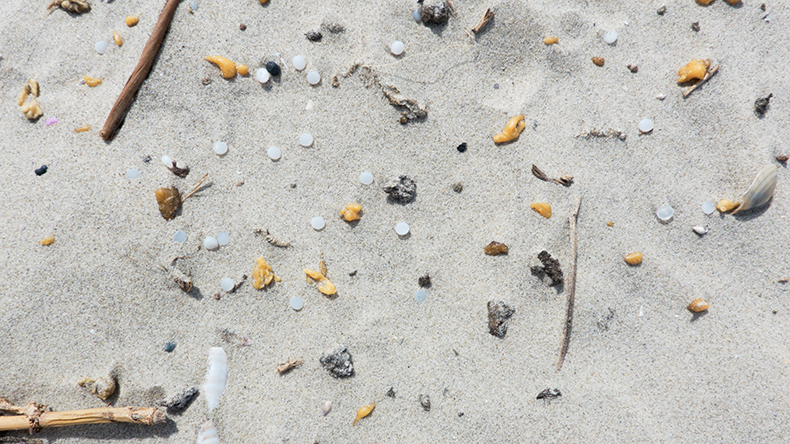
Nurdles are miniature pre-production plastic pellets which act as the base material used in the manufacture of plastic products. The term nurdles has been referred to plastic pellets or pre-production plastics.
They can be as tiny as a few millimeters. The small size of these pellets makes it difficult to eliminate them from beach sand after they are identified.
According to IMO, plastic pellets are an industrial transportable raw material causing environmental damage in the marine environment.
Why are nurdles difficult to clean up?
There are several reasons:
- Their small size allows them to mix with sand and sediment.
- Waves and tides can repeatedly redistribute them.
- Ocean currents can transport them away from the original spill location.
- Pellets can accumulate in beaches, coastal waters and other marine environments.
- Marine organisms can mistake them for food.
This means that removing visible pellets from a beach does not necessarily mean that the pollution has been completely eliminated.
How Did the MSC Elsa 3 Spill Happen?
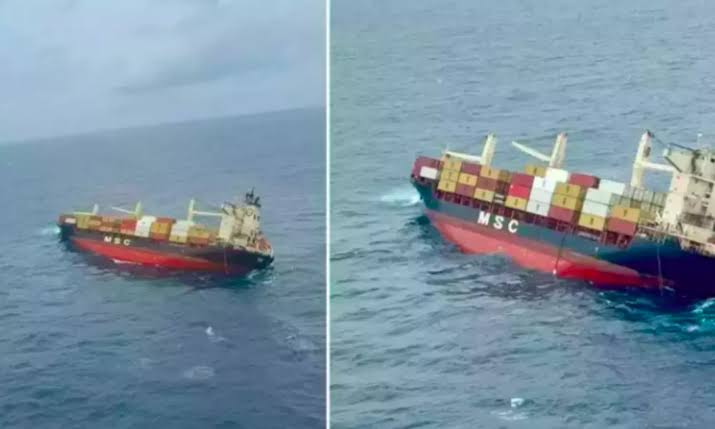
The MSC Elsa 3, a ship flagged in Liberia registry, was doomed at the South West coast of India on 25th May 2025.
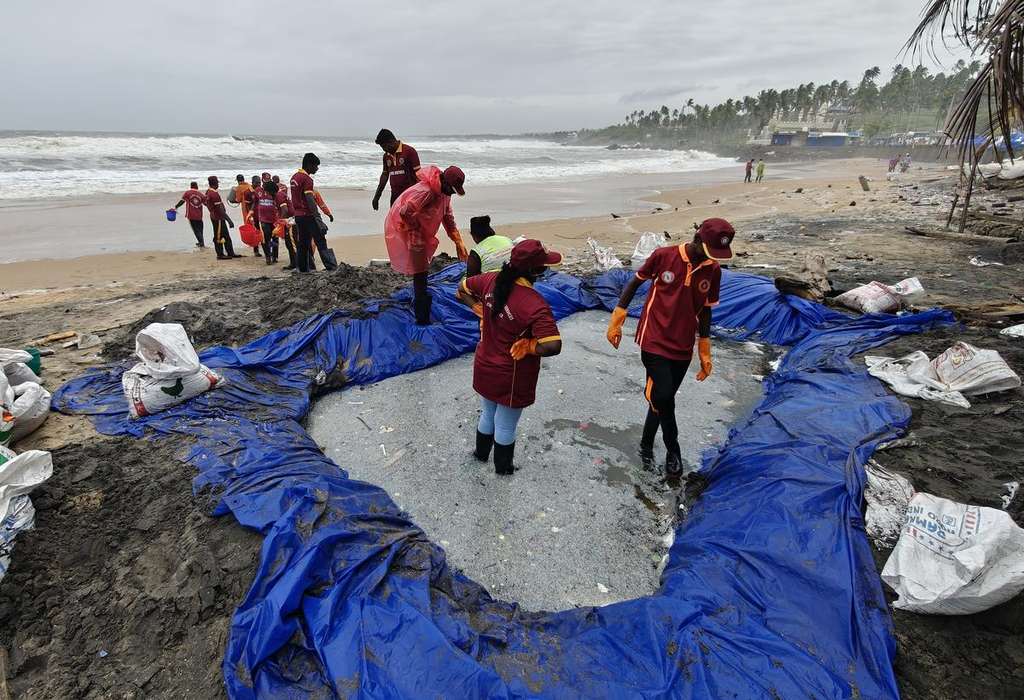
It has since been noted that the Directorate General of Shipping of India discovered that there were 643 containers on the ship, out of which plastic nurdles leaked into the sea water and ended up being washed ashore on the beaches of Kerala and the southern part of Tamil Nadu. The monitoring report of the Directorate General of Shipping revealed that 540 metric tons of plastic nurdles have since been collected from the beaches of Kerala and South Tamil Nadu until the issuing date of the report.
This pollution case has been scientifically proven.
As per the findings of a research published in the Marine Pollution Bulletin, 22 metric tons of plastic nurdles were recovered from the polluted coastal areas in Kerala and the Kanyakumari region following the occurrence of the pollution incident. The research further showed that plastic nurdles made of polyethylene plastic pellets were collected from the area.
It is important to emphasize that the two figures are not inter-changeable.
Where Have the Plastic Pellets Been Found?
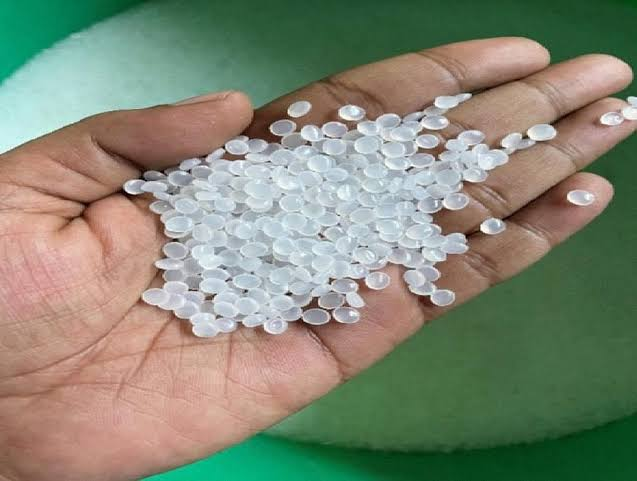
The contamination has not remained confined to the immediate wreck location.
Researchers have documented nurdles along parts of:
- Kerala’s southern and southwestern coastline
- Kanyakumari district in Tamil Nadu
- The Gulf of Mannar region
- Palk Bay and the Dhanushkodi region
Plastic pellets associated with the MSC Elsa 3 ship were found to be a pollutant in the area of Dhanushkodi in 2026, causing threats to biodiversity along the coast.
Another recently published study concerning the Gulf of Mannar region found the densities of nurdles from 216 to 18,341 pieces per square meter on sampled beaches. Additionally, the ingestion of nurdles by marine fish was found.
Why Are MSC Elsa 3 Nurdles Dangerous to the Marine Environment?
The biggest concern is not simply that plastic pellets are visible on beaches.
Once nurdles enter marine ecosystems, they can interact with wildlife, sediments and other pollutants.
1. Marine animals can ingest them
Being tiny in size, nurdles tend to look like food particles for marine animals.
In a 2026 study conducted at the Gulf of Mannar, there was documented for the first time evidence for consumption of nurdles by marine fish after the MSC Elsa 3 incident.
Consumption of nurdles poses some ecological and physical threats.
2. They can enter coastal food webs
Consumption of such plastic particles by aquatic life may possibly result in their transfer through food chains within ecological systems.
However, it is important to note that not all fish which ingest such nurdles are necessarily unfit for human consumption. Statements regarding the safety of human or marine life should always take into account certain tests of contamination and toxicology.
This distinction is vital for proper environmental journalism.
3. They can persist in coastal environments
Unlike organic debris, plastic pellets do not simply decompose and disappear.
They can remain within beach sediments and coastal environments, where waves and currents can move them repeatedly.
4. They can affect fishing and coastal livelihoods
The IMO specifically identifies impacts on fishing, aquaculture and tourism as potential consequences of plastic-pellet releases.
For communities dependent on fishing, contamination therefore represents more than an environmental issue—it can become an economic and livelihood concern.
Why Are Kerala and Tamil Nadu Particularly Important in This Story?

The geography of the southern Indian coastline means that marine pollution released offshore can be transported away from its original location.
Research following the MSC Elsa 3 accident has documented pellet movement from the Kerala coast toward southern Tamil Nadu.
A rapid-response study reported that nurdles were observed washing ashore in Kanyakumari shortly after the vessel accident, demonstrating how quickly marine debris can cross administrative boundaries.
This creates an important policy challenge:
Marine pollution does not follow state boundaries.
Effective management therefore requires coordination between:
- Central maritime authorities
- Kerala authorities
- Tamil Nadu authorities
- Coastal communities
- Fishing organisations
- Scientists and research institutions
- Salvage and cleanup operators
- The shipping industry
How Difficult Is It to Remove Plastic Nurdles?
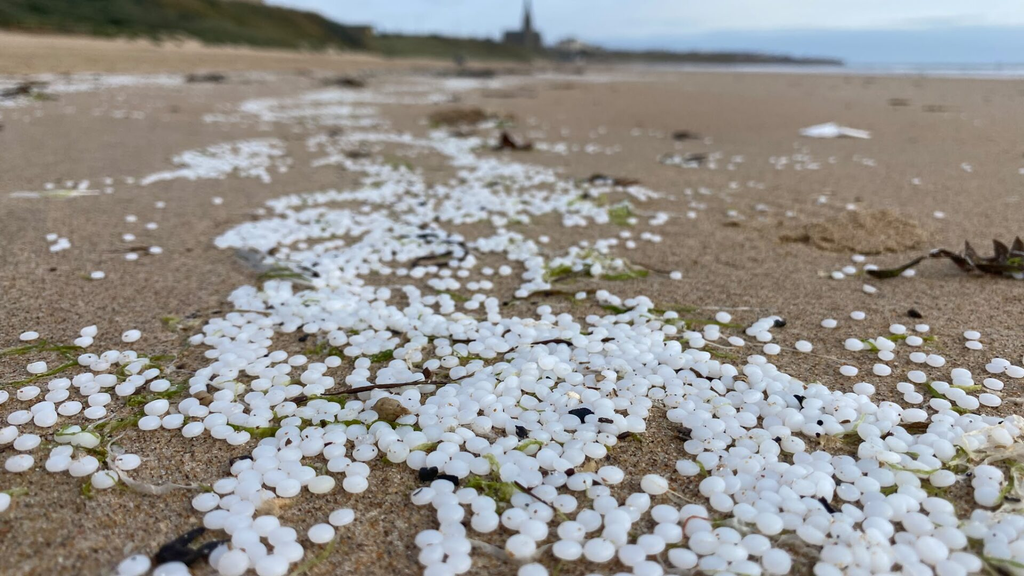
Removing large pieces of debris from a beach is relatively straightforward.
Removing millions of tiny pellets is a very different problem.
Nurdles can become embedded between grains of sand or move below the surface through wave action. Heavy rainfall, storms and changing tides can expose pellets that were previously difficult to see.
Researchers studying the southern Indian coastline have therefore emphasised the need for continued monitoring rather than assuming that one cleanup operation ends the problem
This is one reason the MSC Elsa 3 incident continues to attract scientific attention more than a year after the shipwreck.
What Has the Indian Government Done?
India’s maritime authorities have been monitoring the wreck and coordinating salvage and cleanup activities.
The Directorate General of Shipping reported that recovered nurdles were being collected with support from local volunteers and state authorities. Its monitoring report also described measures involving the wreck, containers and potential pollution risks.
The continuing cleanup illustrates an important point: marine pollution response does not end when a vessel sinks.
The authorities must also consider:
- Lost or damaged containers
- Remaining cargo
- Pollution reaching beaches
- Ecological monitoring
- Fishing impacts
- Long-term wreck risks
- Recovery and disposal of contaminated material
What Is the IMO Doing About Plastic Pellets?
MSC Elsa 3 case study is part of the international debate on how plastic pellets can be carried via sea vessels.
The IMO had already formulated its recommendations concerning the packaging, identification and stowage of containers carrying plastic pellets.
In 2026, the organization has taken more steps towards regulation by agreeing to formulate an obligatory code for the maritime carriage of plastic pellets in freight containers via MARPOL Annex III and/or SOLAS.
The IMO has reiterated its goal of attaining zero discharge of plastic waste from ships by 2030.
This makes the MSC Elsa 3 case not only relevant to India but also the future of international maritime law.
MSC Elsa 3 Plastic Pollution: What Happens Next?
The most important question is no longer simply, “How many pellets were spilled?”
The bigger questions are:
- How much material remains in coastal environments?
- Where will remaining pellets move during future monsoons and storms?
- What long-term effects will they have on marine organisms?
- How should affected fishing communities be supported?
- Who should bear the cost of long-term monitoring and cleanup?
- How should international shipping rules change to prevent similar incidents?
Recent scientific research suggests that the environmental consequences deserve continued observation. Studies have now documented contamination in multiple southern Indian coastal regions and evidence of ingestion by marine fish.
Frequently Asked Questions
What are MSC Elsa 3 plastic pellets?
MSC Elsa 3 plastic pellets are industrial plastic granules, commonly called nurdles, that escaped from containers associated with the vessel after it sank off the Kerala coast in May 2025.
Where did the MSC Elsa 3 sink?
The vessel sank off the Kerala coast on 25 May 2025 while travelling along India’s southwestern maritime route. India’s Directorate General of Shipping has documented the vessel and subsequent salvage operations.
Did the MSC Elsa 3 plastic pellets reach Tamil Nadu?
Yes. Scientific studies have documented nurdles along parts of Tamil Nadu, including Kanyakumari and the Gulf of Mannar region.
What are nurdles used for?
Nurdles are pre-production plastic pellets used as raw material in manufacturing plastic products.
Why are nurdles difficult to remove?
Their small size allows them to mix with sand and sediment. Waves, tides and currents can also redistribute them, making complete recovery extremely difficult.
Can fish eat plastic nurdles?
Yes. Recent research following the MSC Elsa 3 spill has documented nurdle ingestion by marine fish in the Gulf of Mannar study area.
Are MSC Elsa 3 pellets dangerous to humans?
Potential human-health risks should not be inferred solely from the presence of pellets on beaches or in the ocean. Seafood safety requires specific testing for contaminants and exposure pathways. The established concern is that nurdles can harm marine ecosystems and enter food webs.
Is the MSC Elsa 3 pollution problem over?
No clear scientific basis exists for saying the problem is completely over. Researchers continue to document contamination in southern Indian coastal environments, while authorities continue monitoring and cleanup activities.
The Bigger Lesson From the MSC Elsa 3 Disaster
Elsa 3 case can be used to demonstrate the distinction between the plastic pellet pollution and ordinary beach litter.
Identification of a plastic bottle and fishing net is much easier when you compare it with millions of tiny pellets which can get buried into the sand and moved by the sea currents possibly affecting the marine life.
In this case, it becomes evident that preventive measures are always preferable in comparison with reactive actions.
Thus, the efforts made by the IMO regarding stricter regulations concerning the transportation of the plastic pellets are crucially important. Packaging, cargo identification, proper stowage, emergency planning and environmental surveillance are the ways to reduce the effects of potential spillages in the future.
As for Kerala and Tamil Nadu, at the moment they are mostly concerned about the location of the rest of pellets and their impact on marine and coastal environment.
Although the sinking of the MSC Elsa 3 has happened in 2025, the environmental problems connected with its cargo are going to remain relevant for many years to come.