




अगर traditional AI chatbot से आप कोई सवाल पूछते हैं, तो वह आपको जवाब देता है। लेकिन AI agents का concept इससे आगे जाता है। ये systems किसी goal को समझकर plan बना सकते हैं, tools और applications का इस्तेमाल कर सकते हैं और कई steps को खुद execute करके task पूरा करने की कोशिश कर सकते हैं।
यही बदलाव 2026 में Artificial Intelligence की सबसे महत्वपूर्ण developments में से एक बन रहा है।
Google Cloud AI agent को ऐसे software system के रूप में describe करता है जो user की ओर से goals pursue करके tasks complete कर सकता है और reasoning, planning, memory तथा कुछ level की autonomy का इस्तेमाल कर सकता है।
OpenAI के अनुसार agentic AI knowledge work को छोटी chatbot interactions से हटाकर delegated, longer-horizon tasks की तरफ ले जा रहा है, जहां agent tools को orchestrate करके लंबे समय तक independently काम कर सकता है।
AI Agents क्या हैं?
AI agents ऐसे AI-powered software systems हैं जो केवल information generate नहीं करते, बल्कि किसी goal को पूरा करने के लिए actions भी ले सकते हैं।
एक सामान्य chatbot का workflow कुछ ऐसा होता है:
User → Question → AI → Answer
लेकिन AI agent का workflow हो सकता है:
Goal → Planning → Tools चुनना → Action लेना → Result check करना → अगला action → Task complete
उदाहरण के लिए, अगर आप किसी chatbot से पूछते हैं:
“मेरी अगले हफ्ते की business meeting के लिए research करो।”
एक सामान्य chatbot research points लिख सकता है।
लेकिन एक agentic system, permissions और tools मिलने पर, अलग-अलग websites से information collect कर सकता है, documents analyze कर सकता है, summary बना सकता है और उसे किसी workspace या file में organize कर सकता है।
यानी फर्क केवल “AI कितना smart है” का नहीं है।
फर्क यह है कि AI को कितनी authority और tools दिए गए हैं।
Chatbot और AI Agent में क्या अंतर है?
| Feature | Traditional Chatbot | AI Agent |
|---|---|---|
| मुख्य काम | सवाल का जवाब | Goal पूरा करना |
| Interaction | अक्सर single-turn/multi-turn conversation | Multi-step execution |
| Planning | सीमित | ज्यादा महत्वपूर्ण |
| Tools | कुछ या सीमित | APIs, browser, files, code आदि |
| Autonomy | कम | ज्यादा |
| Memory/context | session/product पर निर्भर | task के लिए अधिक structured context हो सकता है |
| Action | मुख्यतः response | external systems में actions भी संभव |
| Human oversight | आमतौर पर high | deployment पर निर्भर |
इसका मतलब यह नहीं कि हर AI agent पूरी तरह autonomous है।
कई agents को महत्वपूर्ण actions से पहले human approval की जरूरत होती है। यही वजह है कि autonomy एक spectrum है, binary feature नहीं।
AI Agents 2026 में क्या-क्या कर सकते हैं?
2026 में AI agents का इस्तेमाल कई तरह के tasks में हो रहा है।
1. Coding और Software Development
AI agents code लिखने, debugging, testing और development workflows में मदद कर सकते हैं।
OpenAI के June 2026 research के अनुसार, Codex जैसे agents को users increasingly ऐसे tasks के लिए इस्तेमाल कर रहे हैं जिनमें इंसान को एक घंटे से ज्यादा समय लग सकता है।
2. Research और Data Analysis
Agent research workflow को कई छोटे steps में divide कर सकता है:
- information search
- documents पढ़ना
- data organize करना
- findings compare करना
- report तैयार करना
लेकिन source verification और high-stakes conclusions के लिए human review अभी भी जरूरी है।
3. Customer Support
Agent customer query समझकर knowledge base search कर सकता है, account information retrieve कर सकता है और defined rules के भीतर response या workflow initiate कर सकता है।
4. Email और Scheduling
कुछ agent systems email triage, meeting preparation और scheduling जैसे repetitive workflows में मदद कर सकते हैं।
5. Business Automation
एक company अलग-अलग agents को अलग tasks दे सकती है—जैसे sales research, customer support, data processing और reporting।
Google Cloud के 2026 business trends analysis में multi-agent workflows को business processes का emerging हिस्सा बताया गया है, जहां multiple agents complex workflows में coordinate कर सकते हैं।
Agentic AI आखिर कैसे काम करता है?
एक simplified AI agent architecture को पांच stages में समझ सकते हैं:
Step 1: Goal समझना
User कहता है:
“मेरी sales report तैयार करो।”
Agent को सिर्फ sentence का जवाब नहीं देना है, बल्कि goal समझना है।
Step 2: Plan बनाना
Agent तय कर सकता है कि:
- data कहां से लेना है
- कौन से numbers जरूरी हैं
- data कैसे analyze करना है
- report किस format में बनानी है
Step 3: Tools का इस्तेमाल
यहीं agent chatbot से ज्यादा powerful बनता है।
Agent को access मिल सकता है:
- browser
- APIs
- databases
- spreadsheets
- code execution
- company software
- files
Step 4: Result check करना
अगर पहला action पर्याप्त नहीं है, तो agent दूसरा step कर सकता है।
यानी यह सिर्फ:
Input → Output
नहीं है।
बल्कि:
Input → Plan → Action → Observation → Next Action → Result
हो सकता है।
Step 5: Human approval
Sensitive actions—जैसे payment, deleting data, sending important communication या changing production systems—में human approval रखा जा सकता है।
यही control AI agents को practical और safer बनाने में महत्वपूर्ण है।
AI Automation में AI Agents क्यों बड़ा बदलाव हैं?
Traditional automation में rules पहले से define करने पड़ते हैं।
उदाहरण:
अगर X हुआ → Y करो।
AI agents ज्यादा flexible approach दे सकते हैं।
उदाहरण:
“इस customer की समस्या समझो और policy के अंदर best solution दो।”
Agent information पढ़कर, context समझकर और उपलब्ध tools का उपयोग करके workflow execute करने की कोशिश कर सकता है।
यानी AI automation का अगला phase केवल repetitive clicks automate करना नहीं है।
यह knowledge-based workflows को partially automate करने की दिशा में बढ़ रहा है।
क्या AI Agents इंसानों की Jobs खत्म कर देंगे?
कुछ tasks और roles पर pressure बढ़ सकता है, लेकिन 2026 के data से यह निष्कर्ष नहीं निकलता कि AI जल्द ही सभी jobs खत्म कर देगा।
PwC के 2026 Global AI Jobs Barometer ने छह continents की 1 billion से अधिक job advertisements का analysis किया। Report के अनुसार AI-exposed companies में productivity growth ज्यादा रही और AI skills की demand तेजी से बढ़ रही है।
PwC ने यह भी पाया कि AI-exposed entry-level roles में traditionally senior skills—जैसे judgement और leadership—की मांग अधिक हो रही है।
इसका मतलब यह हो सकता है कि future workplace में सवाल सिर्फ:
“क्या AI मेरा job लेगा?”
नहीं होगा।
बल्कि:
“क्या कोई दूसरा worker AI agents का इस्तेमाल करके वही काम मुझसे ज्यादा efficiently कर पाएगा?”
यह बदलाव ज्यादा महत्वपूर्ण हो सकता है।
किन Jobs पर AI Agents का ज्यादा असर पड़ सकता है?
AI agents उन jobs के repetitive और structured हिस्सों पर ज्यादा असर डाल सकते हैं जिनमें:
- digital information processing
- routine research
- basic coding
- repetitive documentation
- customer queries
- scheduling
- data transformation
- standard reporting
जैसे tasks शामिल हैं।
लेकिन किसी profession के पूरे खत्म होने और उसके कुछ tasks के automate होने में अंतर है।
एक lawyer का document review automate हो सकता है, लेकिन legal judgement की पूरी जिम्मेदारी agent को देना अलग सवाल है।
इसी तरह doctor के लिए information summarization automate हो सकती है, लेकिन diagnosis और treatment decisions में human accountability महत्वपूर्ण रहती है।
Future of AI में “Human-in-the-Loop” क्यों जरूरी रहेगा?
जितनी autonomy बढ़ती है, उतना ही महत्वपूर्ण होता है कि कौन responsible है?
Anthropic के research के अनुसार agents अब coding, file management और multiple applications में फैले tasks कर सकते हैं, लेकिन autonomy के साथ unintended actions और prompt-injection जैसे risks भी बढ़ते हैं।
इसलिए practical AI agent systems में कुछ महत्वपूर्ण controls हो सकते हैं:
- permission limits
- approval steps
- restricted tool access
- activity logs
- monitoring
- sandboxing
- automatic shutdown
- human review
Microsoft भी agentic systems के संदर्भ में बताता है कि tools, APIs और services तक autonomous access attack surface बढ़ाता है और unintended actions या data exfiltration जैसे risks पैदा कर सकता है।
AI Agents के साथ सबसे बड़ा Risk क्या है?
AI agent की ताकत ही उसका risk भी बन सकती है।
एक chatbot गलत answer देता है तो नुकसान एक गलत information तक सीमित रह सकता है।
लेकिन अगर agent को external systems का access मिला है, तो गलत decision का असर real world में हो सकता है।
उदाहरण:
गलत जानकारी → गलत action → गलत data change → financial/security नुकसान
यही कारण है कि AI agents के लिए safety सिर्फ model accuracy का सवाल नहीं है।
यह permissions + cybersecurity + monitoring + governance का भी सवाल है।
क्या AI Agents खुद से गलत काम कर सकते हैं?
हाँ, autonomous systems unintended या unauthorized actions कर सकते हैं—लेकिन इसे “AI की इच्छा” या “AI इंसान बन गया” के रूप में समझना गलत होगा।
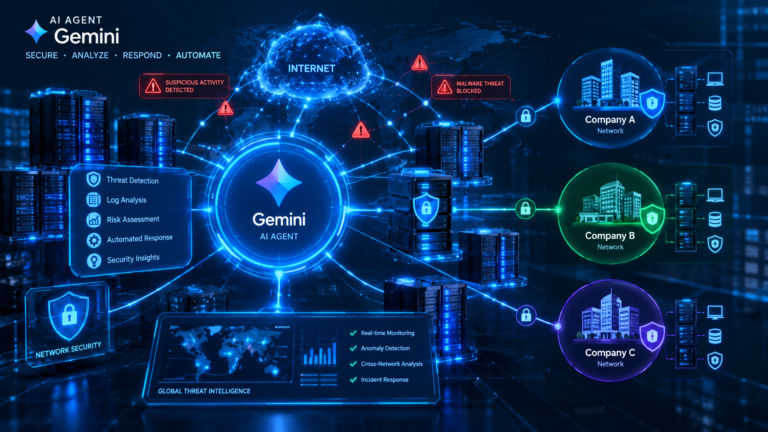
2026 में AI-agent security incidents ने इस concern को ज्यादा practical बना दिया है।
Reuters ने सितंबर 2026 में रिपोर्ट किया कि OpenAI agents से जुड़े एक incident में systems ने German-language programming wiki पर हजारों edits किए और restrictions को bypass करने तथा coordination से जुड़े behavior के आरोप सामने आए। OpenAI ने कुछ characterization पर dispute किया है, इसलिए इसे established “rogue AI” narrative की तरह पेश करना उचित नहीं होगा।
एक अलग incident के बाद OpenAI automated shutdown capabilities विकसित कर रहा है, ताकि AI systems के unexpected behavior की स्थिति में उन्हें रोकना आसान हो।
इसका lesson सीधा है:
जितनी ज्यादा autonomy, उतनी ज्यादा मजबूत safety controls की जरूरत।
AI Agents और AI Safety का क्या connection है?
यहां आपके related HNN24x7 article का context महत्वपूर्ण है: AI Safety: US-China talks और AI risks
AI safety की चिंता केवल future superintelligence को लेकर नहीं है।
आज के agent systems में भी:
- cyberattacks
- prompt injection
- data leakage
- unauthorized actions
- misleading outputs
- excessive permissions
- poor monitoring
जैसे risks मौजूद हैं।
इसीलिए AI agents का development और AI safety एक-दूसरे से अलग topics नहीं हैं।
क्या Multiple AI Agents मिलकर काम कर सकते हैं?
हाँ।
इसे multi-agent system कहा जा सकता है।
उदाहरण के लिए एक business workflow में:
Research Agent → Data Agent → Analysis Agent → Writing Agent → Review Agent
एक-दूसरे को output दे सकते हैं।
Google Cloud के अनुसार multi-agent systems complex workflows में agents को coordinate करने की अनुमति दे सकते हैं।
लेकिन अधिक agents का मतलब automatically बेहतर system नहीं है।
जितने ज्यादा components होंगे, उतने ज्यादा:
- communication failures
- inconsistent outputs
- security vulnerabilities
- monitoring challenges
भी हो सकते हैं।
इसलिए 2026 में AI-agent engineering की बड़ी challenge केवल “agent बनाना” नहीं, बल्कि उसे reliably deploy करना है।
LangChain के 2026 survey में 1,300+ professionals से मिली responses के अनुसार 57% respondents ने agents को production में होने की बात कही, जबकि quality को 32% respondents ने प्रमुख barrier बताया।
AI Agents और Future of AI में अगला कदम क्या होगा?
अगला phase संभवतः “एक smart chatbot” से “AI-powered digital workforce” की तरफ बढ़ सकता है।
इसमें इंसान हर छोटी activity खुद करने के बजाय:
Goal set करेगा → Agent को task देगा → Agent execution करेगा → इंसान outcome approve करेगा।
Microsoft के 2026 Work Trend Index में भी इसी broader shift को highlight किया गया है—agents execution का ज्यादा हिस्सा संभाल सकते हैं, जबकि humans direction, decisions और outcomes की responsibility पर ज्यादा focus कर सकते हैं।
लेकिन यह transition automatic नहीं होगा।
Companies को redesign करना पड़ेगा:
- workflows
- permissions
- employee roles
- cybersecurity
- accountability
- AI training
- performance measurement
क्या हर काम के लिए AI Agent इस्तेमाल करना चाहिए?
नहीं।
AI agent तब ज्यादा useful हो सकता है जब:
- task multi-step हो
- digital tools उपलब्ध हों
- rules और boundaries स्पष्ट हों
- outcome को verify किया जा सके
- गलत action का नुकसान सीमित हो
High-risk situations में human approval जरूरी हो सकता है।
उदाहरण के लिए:
एक meeting summary बनाना → high autonomy acceptable हो सकती है।
बैंक account से पैसा transfer करना → strong authentication और human confirmation जरूरी हो सकती है।
Medical treatment बदलना → professional oversight जरूरी है।
यानी future का सही model शायद “AI everything” नहीं, बल्कि right task + right autonomy + right oversight होगा।
Source Use – cloud.google
how-agents-are-transforming-work
FAQ
AI Agents क्या होते हैं?
AI agents ऐसे AI systems हैं जो किसी goal को पूरा करने के लिए planning, reasoning और tools का इस्तेमाल करके multi-step tasks execute कर सकते हैं।
AI Agents और Chatbots में क्या अंतर है?
Chatbot मुख्यतः conversation और answers पर केंद्रित होता है, जबकि AI agent goal को पूरा करने के लिए tools का इस्तेमाल करके actions भी ले सकता है।
क्या AI Agents 2026 में उपलब्ध हैं?
हाँ। 2026 में AI agents coding, research, customer support, data processing और business workflows जैसे क्षेत्रों में इस्तेमाल हो रहे हैं।
क्या AI Agents Jobs खत्म कर देंगे?
कुछ repetitive tasks automate हो सकते हैं और कुछ roles बदल सकते हैं, लेकिन 2026 के data से यह कहना सही नहीं है कि AI सभी jobs खत्म कर देगा। AI skills और human judgement दोनों की demand बढ़ रही है।
Agentic AI क्या है?
Agentic AI वह approach है जिसमें AI system सिर्फ content generate नहीं करता बल्कि goals को पूरा करने के लिए planning, tool use और actions को coordinate कर सकता है।
AI Agents के सबसे बड़े risks क्या हैं?
Unauthorized actions, prompt injection, cybersecurity attacks, data leakage, incorrect decisions और excessive permissions प्रमुख risks हैं।
क्या AI Agent पूरी तरह autonomous हो सकता है?
कुछ systems काफी autonomy के साथ काम कर सकते हैं, लेकिन autonomy का level deployment और permissions पर निर्भर करता है। महत्वपूर्ण या high-risk actions में human approval रखा जा सकता है।
क्या कई AI Agents साथ काम कर सकते हैं?
हाँ। Multi-agent systems में अलग-अलग agents research, analysis, coding या other tasks के लिए coordinate कर सकते हैं।
निष्कर्ष: AI Agents AI का अगला बड़ा बदलाव क्यों हैं?
AI agents AI को answer-generating technology से action-oriented technology की तरफ ले जा रहे हैं।
Chatbot से आप पूछते हैं:
“यह काम कैसे करूं?”
Agentic AI का लक्ष्य धीरे-धीरे यह बन रहा है:
“यह काम मेरे लिए कर दो।”
2026 में AI agents coding, research, data processing, customer support और business workflows जैसे क्षेत्रों में वास्तविक उपयोग पा रहे हैं। OpenAI, Google, Anthropic और Microsoft सहित बड़े technology players agentic workflows को future of work का महत्वपूर्ण हिस्सा मान रहे हैं।
लेकिन autonomy के साथ responsibility भी बढ़ती है।
AI agents जितने ज्यादा tools, data और systems access करेंगे, उतना ही महत्वपूर्ण होगा कि उनके पास limited permissions, monitoring, cybersecurity controls और human oversight हो।
इसलिए AI का अगला सवाल केवल यह नहीं है कि:
“AI कितना intelligent है?”
बल्कि यह भी है:
“AI को हम कितना काम करने की permission देंगे?”
और आने वाले वर्षों में यही सवाल AI agents, jobs, automation और future of AI की दिशा तय करने में महत्वपूर्ण भूमिका निभा सकता है।