




7 Most Expensive Indian Sarees – An Indian saree can be something you wear every day a special piece passed down through generations or even a beautiful work of art you keep in a box. The prices of these sarees can vary a lot—some cost a few thousand rupees while others go up to ₹3–4 lakh or more. At glance the difference isn’t always clear. A handwoven saree might look plain compared to a decorated machine-made one but its value can be much higher. That’s because of the silk quality the way it’s woven the zari used and the time and skill it takes to make it.
India’s luxurious sarees are tied to old weaving traditions that have been kept alive by families for many years. Take a Patan Patola for example. The threads are dyed by hand before weaving and getting the pattern right requires perfect alignment. The Muga silk from Assam is special because of its golden color and because it’s not produced in large amounts. Sarees from Banarasi, Kanchipuram and Paithani become more expensive when they use silk, detailed patterns and lots of zari. Jamdani weaving is also very hard to do. Every small design is made one, by one using a technique that adds threads into the fabric. All this takes time care and a lot of skill.
The biggest challenge for a buyer is telling real skill from exaggerated advertising. Words like silk, heritage and handloom can be used in a careless way, in the market.Two sarees carrying the same regional name can therefore have completely different prices and quality levels. A simpler design, blended material or power-loomed version may be affordable, while an intricate, fully handwoven piece from the same tradition can cost several lakhs.
The solution is to examine the saree’s construction, material and provenance instead of judging it only by shine or decoration.Buyers should ask where the saree was woven what kind of silk was used and what type of zari was included. They should also find out how long it took to complete the saree and whether the seller can give certification and an invoice. According to a Times of India Lifestyle report these are the seven saree traditions that stand out for their craftsmanship, rarity and luxury value.
Why Do These Sarees Cost So Much?
Why Do These Sarees Cost So Much?
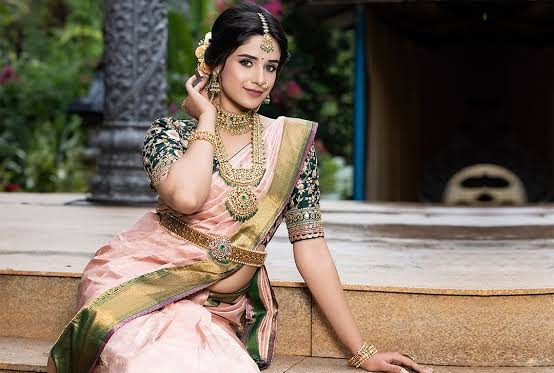
The final price of a luxury saree comes from factors that work together. When a skilled artisan spends weeks or months dyeing yarn aligning motifs and weaving patterns that work becomes part of the luxury saree’s value.Rare silk, genuine zari, limited production and the declining number of specialist weavers can increase the price further.
- Several weeks or months of handweaving
- Rare or region-specific silk varieties
- Detailed motifs and technically difficult patterns
- High-quality gold or silver zari
- Limited availability of specialist artisans
- 7 Most Expensive Indian Sarees You Should Know
Patan Patola from Gujarat is prized for painstaking tie-dyed ikat alignment and months of work. KSIC Mysore Silk represents understated luxury, with smooth silk whose price rises according to material quality and zari.Assam’s Muga Silk is prized for its golden colour, Muga Silk durability and the limited number of silkworms that live in the region. Kanchipuram Silk is famous, for Kanchipuram Silk silk, bright borders and gold thread while Banarasi sarees increase in value because of Banarasi sarees intricate designs and Banarasi sarees fine weaving. Maharashtra’s Paithani is special because of Paithani silk, Paithani unique borders and Paithani detailed pallus and Paithani price goes up when the design gets more crowded. Finally Dhakai Jamdani is made with a extra thread weaving method producing delicate patterns by hand. Even though Dhakai Jamdani is loved throughout the subcontinent Dhakai Jamdani story starts in Dhaka now in Bangladesh. In every type the name does not decide the cost; what matters most is the purity, the complexity, the handwork and where it comes from.
Luxury Saree Comparison: What Makes Each One Special?
Luxury Saree Comparison: What Makes Each One Special?
Fixed prices can be misleading because every tradition includes simple as well as collector-grade pieces. This comparison therefore focuses on the weaving feature and primary cost driver behind premium versions of the seven sarees highlighted in the original source.
| Saree | Traditional origin | Signature feature | Why premium versions cost more |
|---|---|---|---|
| Patan Patola | Patan, Gujarat | Precisely aligned tie-dyed ikat patterns | Months of planning, dyeing and highly accurate weaving |
| KSIC Mysore Silk | Karnataka | Smooth texture, rich sheen and elegant finish | High-quality silk and premium zari |
| Muga Silk | Assam | Natural golden colour and durability | Rare regional silk and limited production |
| Kanchipuram Silk | Tamil Nadu | Rich silk with contrasting borders | Heavy silk, detailed construction and zari work |
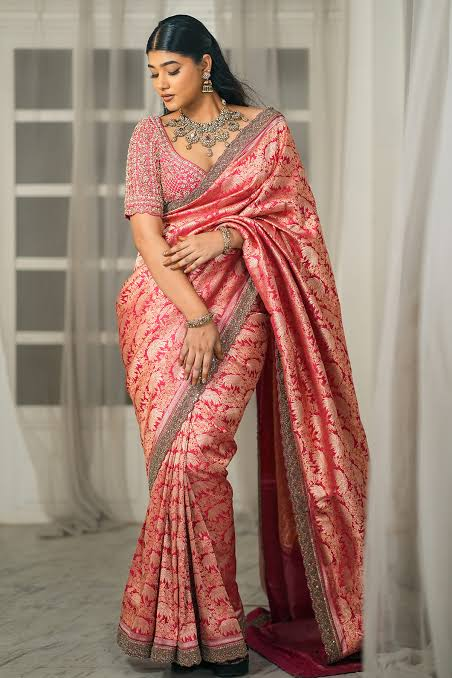
| Banarasi Saree | Varanasi, Uttar Pradesh | Intricate motifs and luxurious zari | Design density, silk quality and complex weaving |
| Paithani Saree | Maharashtra | Colourful borders and elaborate pallu | Detailed motifs, zari and extensive handwork |
| Dhakai Jamdani | Dhaka, Bangladesh | Delicate supplementary-weft motifs | Slow motif-by-motif handweaving process |
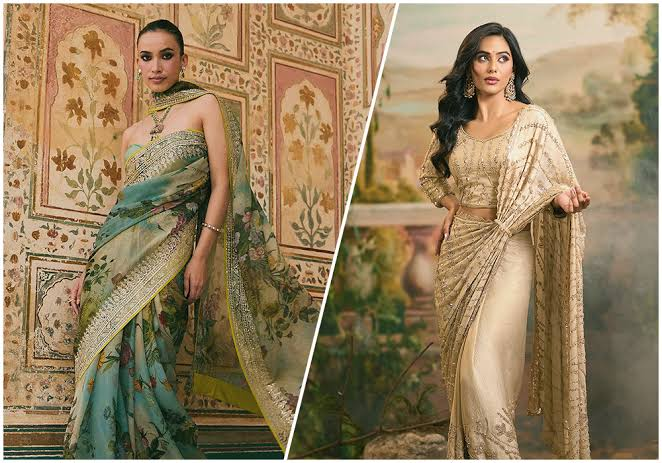
Are Luxury Sarees Worth Their High Price?
Are Luxury Sarees Worth Their High Price?
The most expensive Indian sarees make sense only when we look beyond their surface shine. Patan Patola’s precision, Muga silk’s rarity, Mysore silk’s quality, Kanchipuram’s rich construction, Banarasi motifs, Paithani pallus and Jamdani’s slow weaving process transform fabric into a record of living craftsmanship. However, an expensive saree is not automatically authentic, just as an affordable saree is not necessarily inferior. Every tradition offers simpler and more elaborate versions.
FAQs
1. Which is considered one of the most expensive Indian sarees?
Patan Patola is among the most expensive because of its precise dyeing, intricate weaving and long production time.
2. Why can a handwoven saree cost ₹3–4 lakh?
The cost may reflect months of artisan labour, rare silk, genuine zari, complex motifs and limited production.
3. Is every Banarasi or Kanchipuram saree expensive?
No. Prices vary according to silk purity, zari quality, weaving method and design complexity.
4. What is special about Muga silk?
Muga silk is known for its natural golden sheen, durability and association with a silkworm native to Assam.
5. How can buyers check whether a luxury saree is genuine?
Buyers should check certification, material details, weaving origin, seller reputation and the purchase invoice.