



Plastic pollution is no longer only an environmental problem. Tiny plastic particles known as microplastics have been detected in human biological samples, including blood, lungs, placenta, stool and other tissues. This has raised an important question: What happens when plastic particles enter the human body?
The emerging science is concerning, but it needs to be interpreted carefully. Researchers have confirmed human exposure and have detected microplastics in several parts of the body. At the same time, scientists are still working to determine exactly how much exposure causes harm and whether the particles directly cause specific diseases in humans.
The evidence therefore points to a clear issue for further investigation—not yet a simple conclusion that every microplastic particle is toxic.
What are microplastics?
Microplastics are generally defined as plastic particles smaller than 5 millimetres. They can be produced intentionally at small sizes or form when larger plastic products break down because of sunlight, heat, physical wear and environmental processes.
Even smaller particles are often referred to as nanoplastics.
Microplastics can be found in:
- Drinking water
- Bottled water
- Food
- Household dust
- Outdoor air
- Soil
- Oceans and rivers
- Plastic packaging
- Synthetic textiles
Their extremely small size makes them difficult to see and easy to spread through environmental systems.
The World Health Organization has examined human exposure to microplastics through food, water and air and has highlighted significant gaps in scientific knowledge about their long-term health effects.
How do microplastics enter the human body?
There are three major potential exposure routes:
1. Ingestion
People can swallow microplastics through contaminated food and drinking water.
Research has detected plastic particles in food and water sources, while WHO has specifically investigated microplastics in drinking water.
2. Inhalation
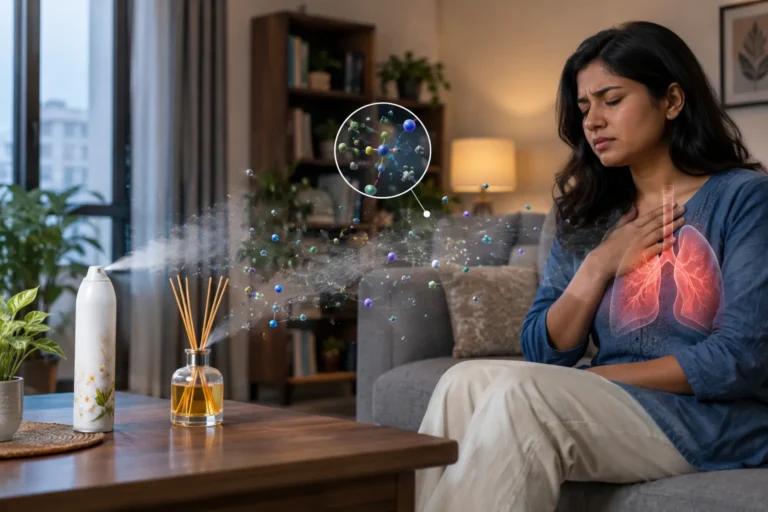
Microplastics can also become part of airborne dust and particles. People may inhale them indoors or outdoors, particularly in environments containing synthetic fibres or plastic dust.
Studies have reported microplastics in human respiratory samples and lung tissue.
3. Other forms of exposure
Dermal contact has been considered as another potential route, although ingestion and inhalation receive considerably more scientific attention.
The overall exposure picture is therefore broader than simply drinking bottled water or eating food wrapped in plastic.
https://pubmed.ncbi.nlm.nih.gov/37634692
Are microplastics found in human blood?
Yes. Researchers have detected microplastics in human blood samples.
A systematic review of human biomonitoring studies reported detection of microplastics in biological samples including blood, urine, stool, lung tissue, breast milk, semen and placenta.
This finding is important because it demonstrates that at least some plastic particles can move beyond the digestive or respiratory systems and become detectable in the body’s internal environment.
However, detecting a particle in blood does not automatically prove that it is causing disease.
Researchers still need better evidence about:
- Which particle sizes enter the bloodstream
- Which polymers are most likely to circulate
- How long particles remain in the body
- Whether they accumulate in specific tissues
- How the body removes them
- What exposure levels are harmful
These questions are central to understanding the real microplastics health effects.
Can microplastics reach human organs?
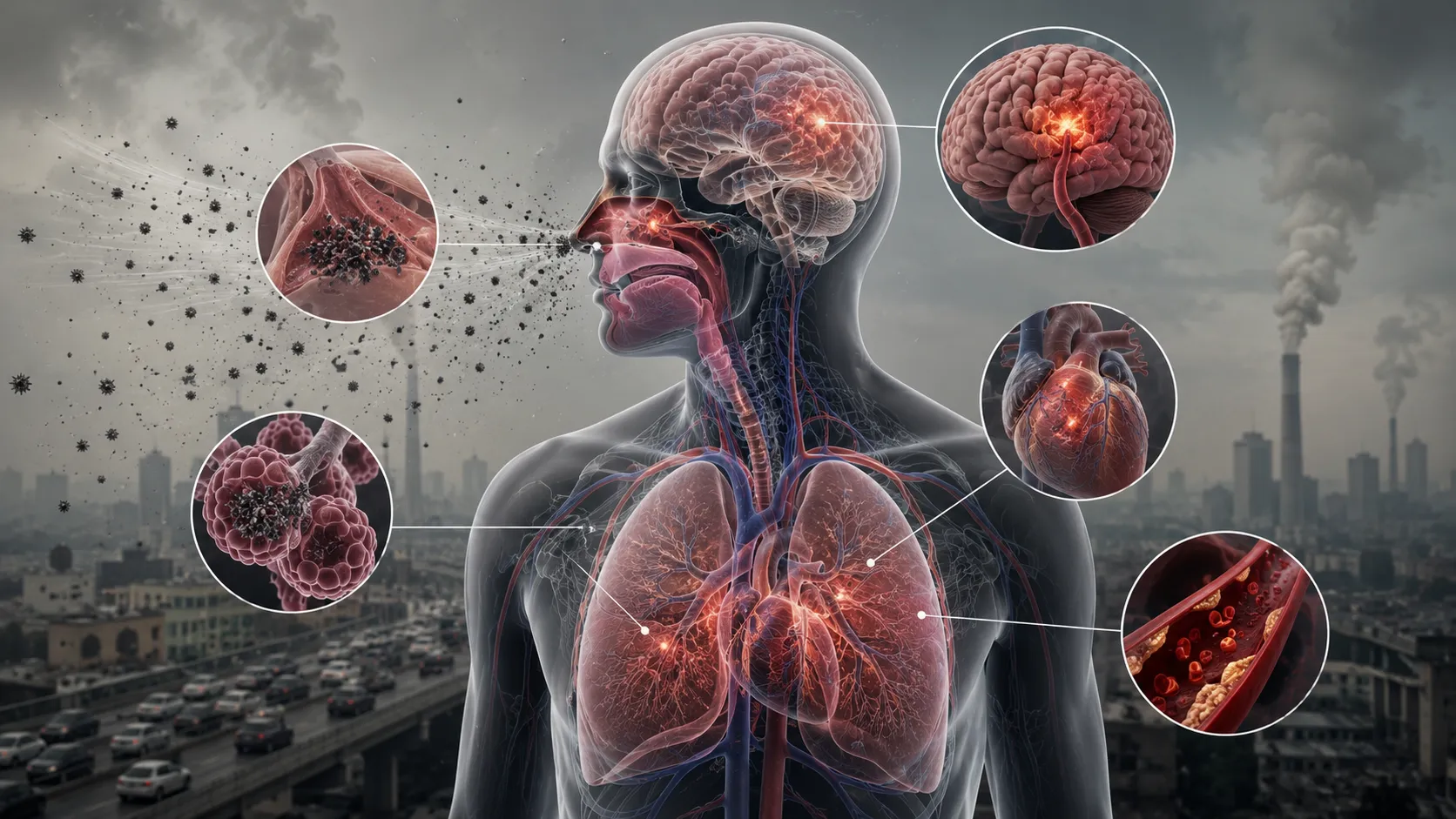
Evidence increasingly suggests that some microplastics and nanoplastics can reach tissues beyond the digestive tract.
Researchers have reported plastic particles in biological samples associated with organs and tissues including the lungs, placenta and reproductive system. Reviews have also described findings involving other human tissues and fluids.
A 2026 systematic review of human studies reported detection of micro- and nanoplastics in blood, thrombi, respiratory and reproductive tissues, among other samples. The review concluded that human evidence is growing but that methodological differences and potential bias limit firm conclusions about causality.
This distinction matters:
Detection shows that exposure and internal distribution can occur. It does not by itself prove that microplastics are responsible for a particular disease.
What are the possible microplastics health effects?
Scientists are studying several potential biological mechanisms.
Laboratory and observational research has raised concerns about:
- Inflammation
- Oxidative stress
- Cellular damage
- Immune-system changes
- Endocrine disruption
- Effects on the gut microbiome
- Possible cardiovascular effects
- Possible respiratory effects
- Reproductive and developmental effects
A review of human biomonitoring studies reported that microplastic exposure has been associated in experimental research with inflammation, oxidative stress and DNA damage. However, much of the evidence for specific health outcomes still comes from laboratory or animal research rather than large, long-term human studies.
That is why researchers generally describe microplastics as an emerging health concern, rather than a fully understood human disease risk.
How could microplastics affect the heart?
The possible relationship between microplastics and cardiovascular health has attracted particular attention.
Researchers are investigating whether very small plastic particles can contribute to inflammation, oxidative stress or changes in blood vessels.
A 2024 study published in the New England Journal of Medicine reported micro- and nanoplastics in carotid artery plaques and found an association between detection of these particles and higher rates of cardiovascular events during follow-up. However, the study was observational and could not establish that the plastic particles caused those events.
More recent reviews have also reported associations between higher micro- and nanoplastic burdens and cardiovascular markers or adverse cardiac outcomes, while emphasizing the limitations of current human evidence.
So the scientifically accurate conclusion is:
Microplastics may be relevant to cardiovascular health, but more research is needed to establish cause and effect.
Could microplastics affect the lungs?
The lungs are one of the organs most directly exposed to airborne plastic particles.
Microplastics have been detected in human respiratory samples and lung tissue. Researchers are investigating whether inhaled particles can contribute to local inflammation or other respiratory effects.
The potential risk may depend on particle size, shape, polymer type, concentration and the duration of exposure.
People working in environments with high concentrations of airborne synthetic fibres or plastic dust may have different exposure patterns from the general population.
What happens to microplastics in the digestive system?
Not every particle that enters the body remains inside it.
WHO’s assessment of microplastics in drinking water found that a large proportion of particles are expected to pass through the gastrointestinal tract without being absorbed, particularly larger particles. However, the behaviour of very small particles remains an important research question.
This means that swallowing microplastics does not automatically mean they will enter the bloodstream or accumulate in organs.
Particle size appears to be particularly important because smaller particles may behave differently from larger particles.
Are microplastics in food and water?
Yes. Microplastics have been detected in various food and water environments.
People can potentially encounter them through drinking water, seafood, other foods, household dust and environmental exposure.
WHO has specifically reviewed microplastics in drinking water and has called for improved monitoring and additional research into exposure and health risks.
The presence of microplastics in food or water, however, should not be interpreted as proof that consuming a particular product will cause illness.
Exposure levels vary significantly depending on the source, environment, food type, packaging, processing and analytical method used to detect the particles.
Does bottled water contain microplastics?
Studies have reported microplastics in both bottled and tap drinking water.
This does not mean that every bottle or every glass of tap water contains the same amount. Concentrations can vary considerably.
The World Health Organization’s assessment concluded that, based on the evidence available at the time, the estimated health risk from microplastics in drinking water appeared low, while emphasizing major uncertainties and the need for additional research.
For readers interested in the broader health questions surrounding bottled water, HNN24x7 has also covered the topic in detail: Plastic Bottle Water Safety and Health Effects.
Can microplastics cause cancer?
There is currently not enough high-quality human evidence to conclude that ordinary environmental exposure to microplastics causes cancer.
Laboratory research has raised concerns about inflammation, oxidative stress, cellular injury and other biological mechanisms that could theoretically contribute to disease. But experimental findings cannot automatically be translated into a demonstrated cancer risk in humans.
Researchers need long-term epidemiological studies that accurately measure exposure and control for other risk factors before firm conclusions can be drawn.
This is one reason responsible reporting about plastic pollution health should distinguish between biological plausibility, laboratory evidence, associations and proven human health outcomes.
Can microplastics affect the brain?
Researchers are also examining whether very small plastic particles, particularly nanoplastics, can cross biological barriers and potentially influence neurological systems.
Potential mechanisms being investigated include:
- Oxidative stress
- Neuroinflammation
- Disruption of cellular processes
- Changes in the blood-brain barrier
- Effects on neurological signalling
However, evidence regarding direct neurological harm in humans remains limited compared with the amount of laboratory research.
Therefore, claims that microplastics definitively cause neurological disease should be treated cautiously.
What does current research actually prove?
The evidence can be divided into several levels.
| Finding | Current evidence |
|---|---|
| Humans are exposed to microplastics | Established |
| Microplastics can be present in food and water | Established |
| Microplastics have been detected in human blood | Reported in multiple studies |
| Microplastics have been detected in human tissues | Increasing evidence |
| Microplastics can trigger biological effects in laboratory models | Strong experimental evidence |
| Microplastics directly cause specific diseases in humans | Not yet established for most outcomes |
| Long-term safe exposure threshold | Still uncertain |
This distinction is essential because the field is developing rapidly.
A 2026 systematic review of in-vivo human evidence concluded that micro- and nanoplastics have been detected across multiple organ systems and associated with inflammatory or functional changes, but methodological differences and possible confounding prevent strong causal conclusions.
Why is it difficult to study microplastics in humans?
Microplastics are not one single substance.
They can differ in:
- Size
- Shape
- Polymer composition
- Surface characteristics
- Chemical additives
- Environmental contaminants attached to them
- Concentration
- Exposure route
A microscopic polyethylene fragment may behave differently from a polypropylene fibre or an even smaller nanoplastic particle.
Scientists also face technical challenges when measuring extremely small particles in human tissue. Contamination during sample collection and laboratory processing can complicate results.
This makes it difficult to compare studies directly.
Should people panic about microplastics?
No. The evidence supports reducing unnecessary plastic exposure and pollution, but it does not justify panic or claims that everyday microplastic exposure is proven to cause widespread disease.
The WHO has repeatedly highlighted uncertainty and the need for better research. Its assessments emphasize that current knowledge is insufficient to make definitive conclusions about many potential health effects.
At the same time, reducing plastic pollution has obvious environmental benefits and may reduce human exposure over time.
How can people reduce exposure to microplastics?
No practical strategy can eliminate exposure completely, but several steps may help reduce unnecessary contact:
Reduce unnecessary single-use plastic
Using reusable alternatives where appropriate can reduce overall plastic consumption and waste.
Store food appropriately
Avoid unnecessarily heating food in plastic containers unless the container is specifically designed for that use.
Reduce indoor dust
Regular cleaning can help reduce accumulated household dust, which can contain synthetic fibres.
Follow safe food and water practices
Use reliable drinking-water sources and follow local water-safety guidance.
Avoid tobacco smoke
Tobacco smoke introduces many harmful substances into the body and represents a much more established health risk than the uncertain risks associated with ordinary microplastic exposure.
Support plastic-waste reduction
Reducing plastic waste at the community and policy level can lower environmental contamination and potential human exposure.
The bigger issue: plastic pollution is also a public-health problem
Plastic pollution is often discussed in terms of oceans, wildlife and waste management. But the growing detection of plastic particles in human biological samples is expanding the conversation toward human health.
The scientific challenge now is to determine what happens after these particles enter the body.
Researchers need standardized methods, better exposure measurements and long-term human studies.
Until those studies are available, the most accurate message is neither “microplastics are harmless” nor “microplastics are definitely causing widespread disease.”
The evidence is somewhere more nuanced:
Humans are exposed. Microplastics can be detected inside the body. Biological effects are plausible and increasingly documented in experimental research. But the full consequences for long-term human health remain uncertain.
FAQ
Are microplastics found in human blood?
Yes. Multiple studies and reviews have reported detecting microplastics in human blood samples. However, the health consequences of their presence in blood are not yet fully established.
Can microplastics reach human organs?
Evidence suggests that some microplastics and nanoplastics can move beyond the digestive or respiratory systems and have been detected in human tissues, including lung and placental samples. The extent and biological significance of this distribution remain under investigation.
How do microplastics enter the human body?
The main recognized exposure routes are ingestion and inhalation. Microplastics can be encountered through food, drinking water, air and environmental dust.
Are microplastics in food and drinking water?
Yes. Microplastics have been detected in environmental and drinking-water systems, and exposure through food is also being studied. The amount can vary considerably between sources.
Do microplastics cause cancer?
There is currently insufficient high-quality human evidence to establish that ordinary environmental exposure to microplastics causes cancer. Laboratory studies have identified biological mechanisms that warrant further investigation.
Can microplastics damage the heart?
Researchers are investigating possible cardiovascular effects. Micro- and nanoplastics have been detected in vascular tissues, and some observational studies have reported associations with cardiovascular outcomes. However, more research is required to establish causation.
Are microplastics harmful to the brain?
Possible neurological effects are being studied, particularly for very small particles such as nanoplastics. Current human evidence is still limited, so definitive claims about brain disease should be avoided.
Can the body remove microplastics?
A large proportion of ingested particles are believed to pass through the gastrointestinal system and leave the body, particularly larger particles. The behaviour and retention of smaller microplastics and nanoplastics remain less certain.
Should people stop drinking bottled water because of microplastics?
There is no scientific basis for saying that every bottled-water product is unsafe because of microplastics. WHO has identified microplastics in drinking water as an area requiring continued research and monitoring, while its earlier assessment found the estimated health risk from drinking-water exposure to be low based on available evidence.
The Bottom Line
The latest research provides evidence that microplastics can enter the human body and have been detected in blood and several tissues. Researchers are investigating possible links with inflammation, oxidative stress, cardiovascular health, respiratory function and other biological processes.
But the presence of microplastics in human blood or organs does not automatically prove that they are causing disease.
The biggest unanswered question is not simply “Are microplastics inside us?” Scientific evidence increasingly says yes.
The more difficult question is “At what exposure levels, for which particle types and over what period do they cause measurable harm?”
That question will require larger, better-designed and longer-term human studies.
For now, reducing unnecessary plastic use, improving waste management and limiting avoidable exposure are sensible environmental and public-health measures—while scientists continue to determine the precise microplastics health effects on the human body.