


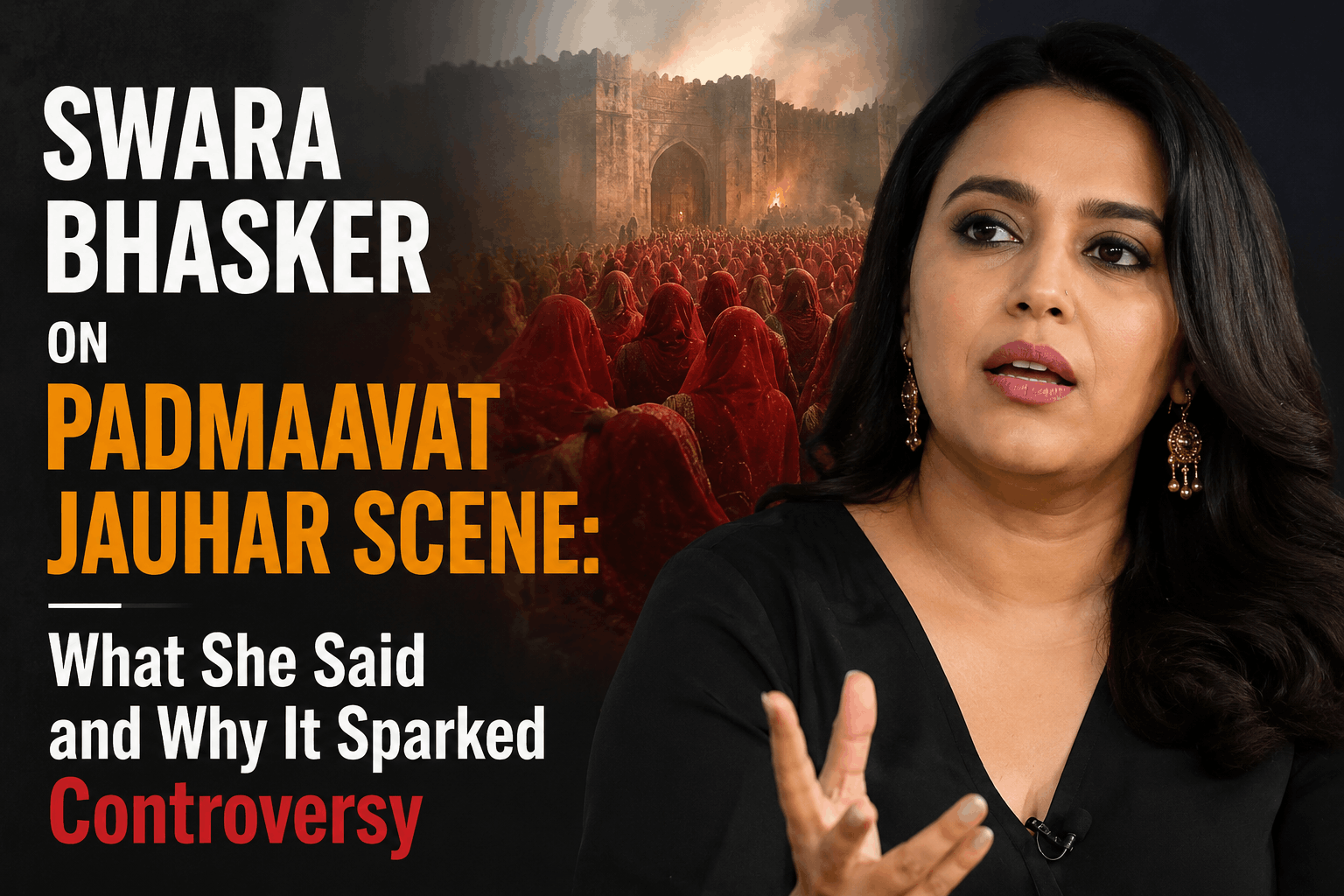
For the third time, the Swara Bhasker Padmaavat Jauhar remark has brought the actor back into the spotlight over the portrayal of Jauhar in Sanjay Leela Bhansali’s Padmaavat. Bhasker recently revisited the film climactic scene and questioned the message it conveys about women and survivors of sexual violence. Her comments drew criticism from some netizens, prompting the actor to stand by her views and clarify her position.
This debate can be understood as the intersection of two controversies: one related to Padmaavat in 2018 and the second one related to the cinema, history, women’s rights, and trauma in 2026.
What Did Swara Bhasker Say About the Swara Bhasker Padmaavat Jauhar Remark?
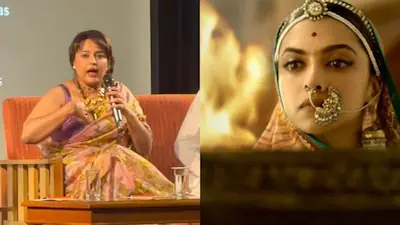
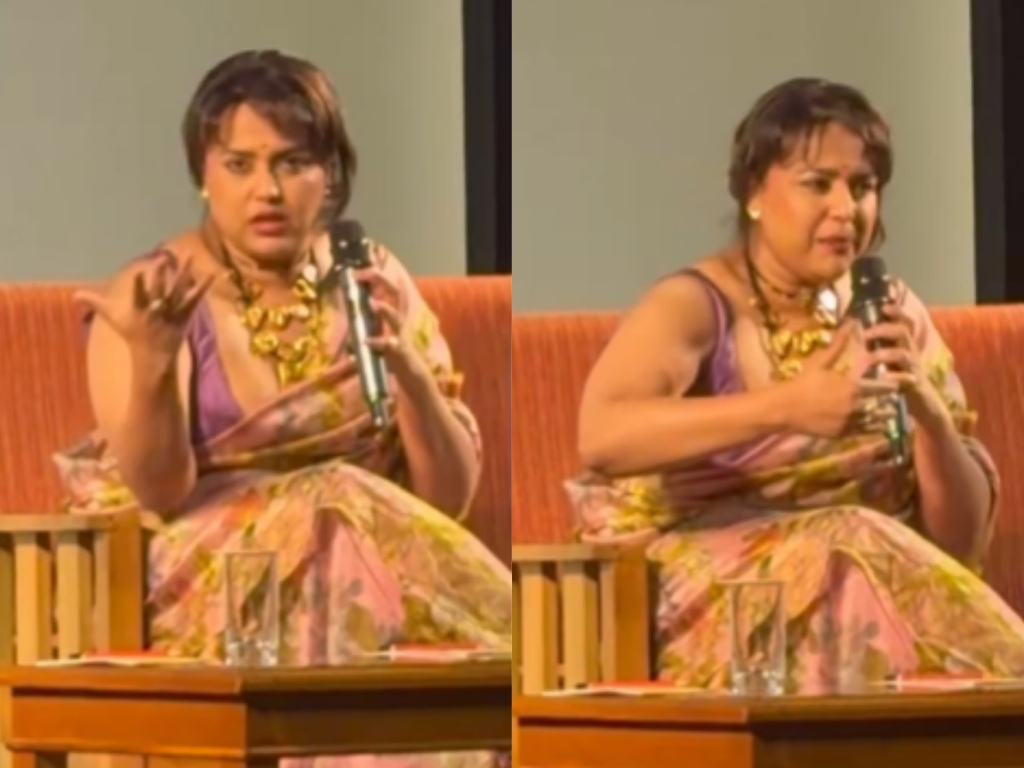
Swara Bhasker stated that she still felt concerned with the portrayal of Jauhar in the movie Padmaavat, especially how the movie portrayed women who took their lives rather than being taken prisoner and raped. In particular, Swara highlighted that the portrayal brings up an important question – is a woman’s life worth less because of the rape?
Bhasker raised these questions again when addressing a Woman Life Freedom discussion at the India International Centre in Delhi on August 31, 2026. Her statements soon spread online and became subject to criticism among the users who believed that her analysis ignored the historical background of Jauhar
Why is Swara Bhasker being trolled over her Padmaavat comments?
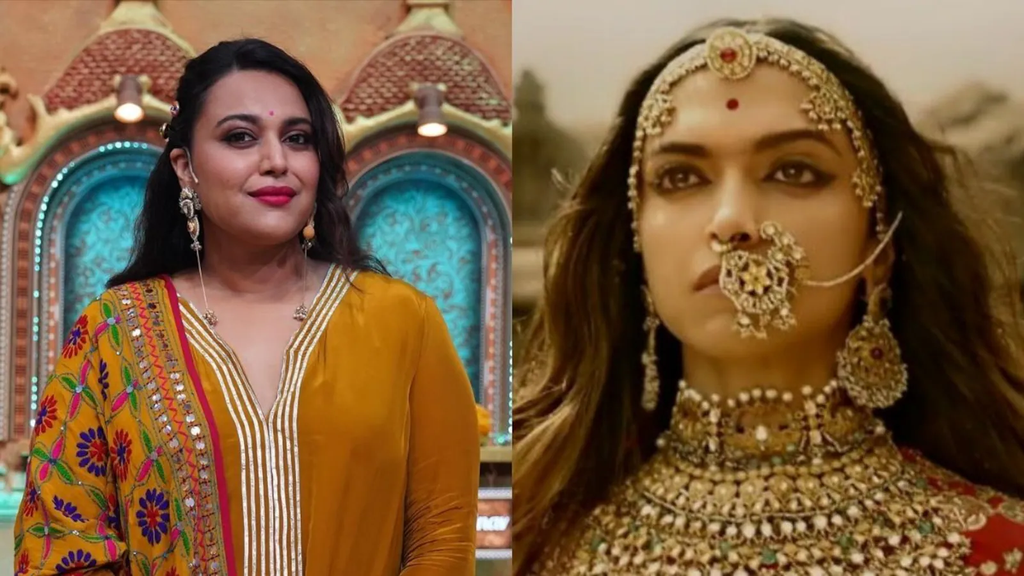
Swara Bhasker’s statements were controversial since people construed her statements as disregarding the historical context linked to Jauhar. In other words, there is an opinion that Jauhar should be seen through the prism of the conditions of war at the medieval period and not through the modern one only.
However, the supporters of Swara Bhasker were more interested in another question, namely if films have the right to depict practices with sexual violence and deaths of women heroically or romanticistically.
So, the controversy between Swara Bhasker and her opponents is not just about this actress; it is rather about different views of history, cinema freedom and values of modern society.
What was Swara Bhasker’s 2018 open letter about?
The recent comments from Swara Bhasker are in connection with the open letter which she wrote after watching the movie Padmaavat in 2018. This letter was written by her because she felt that the movie glorified the act of Jauhar, as claimed by her, through the climax scene where the ladies walked into the fire.
According to Bhasker, writing of this letter was not an instantaneous reaction but there was some thinking behind it. In 2018, she stated that she wanted her questions regarding the movie to be included in the larger debate on the movie Padmaavat.
But while recalling recently, she has admitted that she had written this letter after some days of watching the movie.
Did Swara Bhasker criticise Rani Padmavati?
As far as Swara Bhasker’s accusation goes, she has mainly been concerned with the portrayal of the character Jauhar in the movie, and not with the historical/literary figure that has been associated with the Padmavati character in the film.
This is significant because what started out as an argument for cinematic portrayal has somehow morphed into an issue where it is being said that Swara Bhasker was being disrespectful to Rani Padmavati.
What does the Jauhar scene show in Padmaavat?
One of the movies named “Padmaavat”, which is a directorial effort of Sanjay Leela Bhansali, with Deepika Padukone, Ranveer Singh, and Shahid Kapoor as the lead characters depicts the story of Rani Padmavati and Chittor siege.
In the climax of the movie, it shows Padukone’s character performing “Jauhar” along with the other Rajput women as the enemy troops reach the fort. The climax of this movie became the most controversial part of the movie.
What is Jauhar?
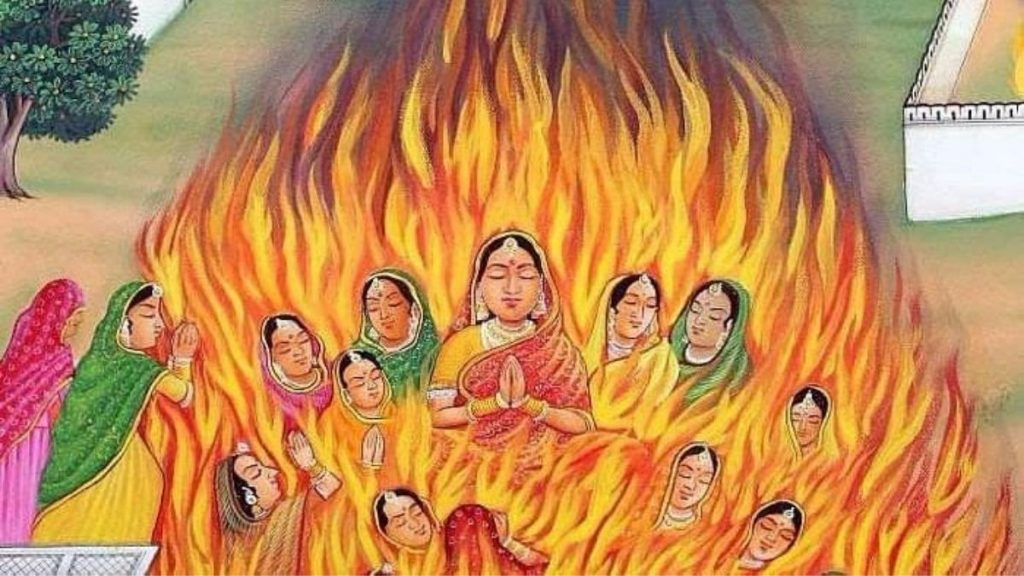
Jauhar was the custom of women’s collective suicide via self-immolation due to the capture of their community by an enemy group. The custom has been mentioned in histories in association with the Rajputs and medieval times.
But the significance of historical practices is not that simple, as they have been interpreted, contested, and represented by historians and scholars in addition to the modern viewers interpreting it with their views on bodily autonomy, gender violence and human rights.
That makes a difference when talking about Padmaavat: the film can show a historical custom while the audience can debate how it looks like in the film.
Why did the Padmaavat controversy return in 2026?
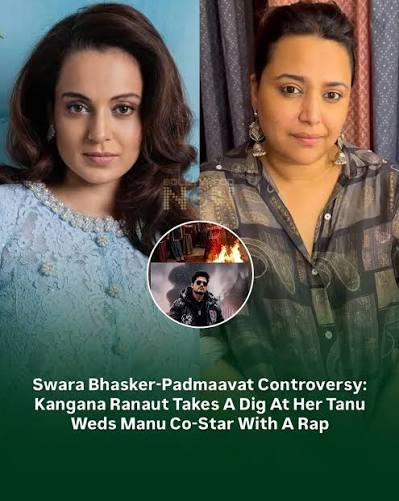
The controversy once again came into focus when Bhasker raised her previous critique again during an event held in Delhi on August 31, 2026. Her remarks were then shared via social media, and thus started once again the controversy.
Bhasker went on to write on X that those who have been sexually violated have a right to live after suffering through the ordeal. The idea that a woman’s purity is worth more than her life was also tied by Bhasker to honour-related violence.
Thus, the whole controversy moved beyond the discussion about just one scene in a movie, and it became a controversy about whether or not traditional ideas of honour should shape representations of female sexuality in popular culture.
What was Swara Bhasker’s response to the backlash?

Bhasker justified her stance instead of retracting her main thesis. In posts that were posted to X, she said she found it disturbing that there was negativity about the notion that survivors of sexual violence have the right to continue living their lives after the ordeal.
In addition, she stated that valuing the purity of a woman more than her life is what leads to the logic behind honor-based violence.
This changed the debate from whether the depiction of a scene in the movie Padmaavat was historically accurate to whether a woman’s worth can ever be tied to her sexual history.
Why is the debate about Padmaavat still relevant?
The controversy remains relevant because historical films frequently sit between two competing expectations.
| Question | One perspective | Another perspective |
| Historical representation | Films should respect historical and cultural context | Films can reinterpret history through contemporary perspectives |
| Jauhar | A practice associated with specific historical circumstances | A violent practice that should not be romanticised |
| Cinema | Filmmakers have creative freedom | Creative freedom can still be examined for social implications |
| Women’s honour | Historically important within certain social contexts | A woman’s life should not depend on concepts of sexual purity |
| Modern audiences | Historical practices should be understood in context | Historical context does not prevent ethical criticism |
The disagreement does not necessarily have to produce one universally accepted answer. It demonstrates why representations of historical violence can generate different responses among historians, filmmakers, activists and audiences.
Padmaavat, Deepika Padukone and the Jauhar debate
Deepika Padukone portrayed the main character, Rani Padmavati, in the movie Padmaavat. Her performance and the last scene of the movie have been key components in all the controversies surrounding the movie.
The controversy of the movie is not new. The movie has been surrounded by much controversy prior to and after the most recent Swara Bhasker’s criticism. The actress herself was critical of violence perpetrated against the movie’s team at the same time she criticized Jauhar’s portrayal in the movie back in 2018.
It is important to mention this background because the current controversy is not a standalone celebrity controversy but rather just another element of the debate of the movie.
What is the main issue in Swara Bhasker’s argument?
Ultimately, Bhasker’s argument relates to the message that an audience might derive from a film portrayal of Jauhar.
In other words, the worry of Bhasker is that portraying death as a means of final safeguarding of the honor of women can lead to the perception that surviving sexual abuse lowers the value or honor of a woman.
The criticisms, on the other hand, point out that such an analysis of the issue might impose modern-day interpretations of a historical event without recognizing the context of Jauhar.
Consequently, the debate is not only about historical facts but about historical representation as well.
Swara Bhasker Padmaavat controversy: Key facts
- Film: Padmaavat
- Director: Sanjay Leela Bhansali
- Lead actor associated with the Jauhar sequence: Deepika Padukone
- Actor who criticised the sequence: Swara Bhasker
- Original controversy: 2018
- Issue revisited: August 31, 2026
- Location of the recent discussion: India International Centre, Delhi
- Latest development: Bhasker defended her position after renewed social-media criticism.
Frequently Asked Questions
What did Swara Bhasker say about Padmaavat?
Swara Bhasker questioned the way Padmaavat depicts Jauhar and argued that portraying women choosing death rather than facing sexual violence raises troubling questions about the value assigned to women’s lives after sexual assault. She revisited the argument in August 2026, triggering renewed online backlash.
Why did Swara Bhasker criticise the Jauhar scene?
Bhasker said she was disturbed by the film’s portrayal of Jauhar because she believed it could suggest that a woman’s honour or sexual purity is more important than her continued life. Her criticism dates back to the open letter she wrote following the film’s release.
Why is Swara Bhasker trending in September 2026?
Swara Bhasker is trending because she revisited her criticism of the Jauhar sequence in Padmaavat at a Delhi event, after which her comments were widely discussed and criticised online. She subsequently defended her position on social media.
Is Swara Bhasker against Rani Padmavati?
The controversy is more accurately described as Bhasker’s criticism of the film’s depiction of Jauhar and its possible social message. Reports on her clarification indicate that she has rejected the interpretation that her comments were an attack on Rani Padmavati herself.
Who directed Padmaavat?
Padmaavat was directed by Sanjay Leela Bhansali and featured Deepika Padukone, Ranveer Singh and Shahid Kapoor in leading roles.
When did Swara Bhasker originally criticise Padmaavat?
Bhasker originally criticised the film after its 2018 release and wrote an open letter to Sanjay Leela Bhansali questioning the depiction of Jauhar. She later explained that the letter was intended to contribute to the wider public debate surrounding the film.
The larger question behind the controversy
While the new Padmaavat controversy may at first sight seem a matter of one actor’s pronouncement or the disputed scene from the film, it really goes beyond to raise questions about how violent events in history are depicted, whether the movies may sometimes unintentionally glamorize violence, and how people of today must understand traditions that developed in entirely different conditions.
Swara Bhasker’s stance is criticized by many as too lacking in sensitivity towards the context of history. Nevertheless, supporters of Swara Bhasker use the controversy to raise another question – must the life of women be judged in terms of their honor and sexual purity?
As the controversy persists, the separation of the historical, the cinematic and the ethical becomes crucial to understanding why the Jauhar scene from Padmaavat keeps causing a storm of emotions.