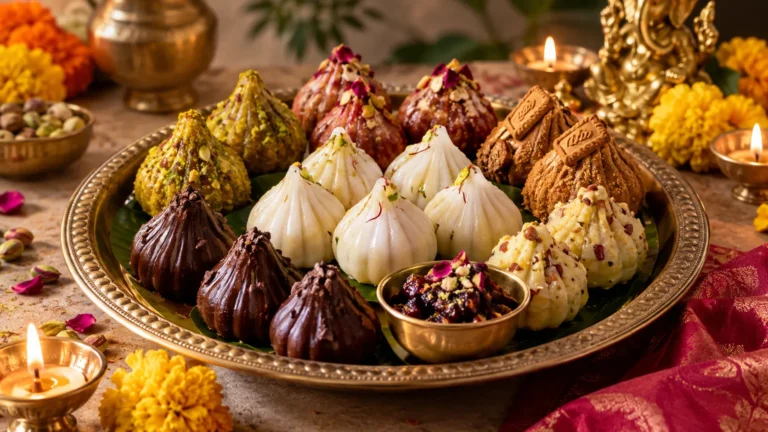




For years, food was treated as one of the enjoyable side effects of travel.
You visited Paris for the sights and ate croissants.
You visited Bangkok for the temples and tried street food.
You went to Italy for the history and had pasta along the way.
But the food tourism trend 2026 is turning that relationship around.
Increasingly, the food itself is becoming the reason for the trip.
GetYourGuide’s 2026 Hidden Trends research found that food-tour bookings increased 23% year over year, while some travelers reported planning entire itineraries around meals. The company calls these food-focused travelers “Snackpackers.”
And the shift is not limited to one travel platform.
The World Food Travel Association’s 2026 Food Travel Monitor found that travelers rate the importance of food and drink when choosing a destination at 8.2 out of 10, while 66% say food and beverages matter more to their travel today than they did five years ago.
That suggests something bigger is happening:
For a growing group of travelers, the question is no longer “Where should I go?” but “What do I want to eat, and where do I need to go to experience it?”
What is food tourism?
Food tourism is travel motivated partly or primarily by food, drink and culinary experiences associated with a destination.
It can include far more than restaurant visits.
A food-focused trip could involve:
- local street food;
- traditional restaurants;
- food markets;
- regional specialties;
- vineyards and breweries;
- cooking classes;
- farm visits;
- food festivals;
- tasting tours;
- indigenous or traditional cuisine;
- meeting local producers;
- visiting a destination specifically for a famous dish.
The important distinction is intent.
Eating local food while sightseeing is normal tourism.
Choosing a destination because you specifically want to experience its food culture is food tourism.
Why is food becoming the main reason to travel?
Several changes are converging.
1. Travelers increasingly want experiences, not just sightseeing
Modern travel is becoming less about collecting famous landmarks and more about collecting experiences.
A landmark can be photographed in an afternoon.
A food experience can involve:
- meeting the person who makes it;
- learning its history;
- understanding its ingredients;
- visiting the market where those ingredients are bought;
- cooking it yourself;
- eating it with local people.
That makes food an unusually powerful form of cultural travel.
The World Food Travel Association’s 2026 research describes food as a primary travel driver rather than an afterthought, reinforcing the idea that culinary experiences can influence destination selection itself.
2. Food tells travelers something about a place
Cuisine is effectively a form of local history.
A dish can reveal:
- migration;
- agriculture;
- religion;
- geography;
- trade;
- colonial history;
- climate;
- local traditions.
That makes food more than consumption.
It becomes a way of understanding a destination.
Someone visiting Japan for ramen, Naples for pizza, Mexico City for tacos or Lyon for French cuisine isn’t simply looking for something delicious.
They’re looking for a sense of place.
3. Social media has made food a travel discovery engine
Food is naturally visual.
A dramatic market, an elaborate dessert, handmade pasta or a street-food stall can become travel inspiration before someone has even researched the destination.
The discovery journey increasingly looks like:
Food video → curiosity → destination search → itinerary → trip
rather than:
Destination search → restaurant research
That changes the role of restaurants and food experiences.
A restaurant can become a tourist attraction in its own right.
A dish can become a destination’s marketing tool.
What does the 23% rise in food-tour bookings actually tell us?
The 23% increase reported by GetYourGuide is significant, but it needs to be interpreted correctly.
It does not mean that 23% more travelers worldwide are now food tourists.
It refers specifically to a rise in food-tour bookings on GetYourGuide, according to the company’s 2026 data.
That distinction matters.
However, when combined with the World Food Travel Association’s independent 2026 consumer research showing food’s high importance in destination choice, the evidence points toward a broader shift in how travelers think about food.
Meet the “Snackpackers”
GetYourGuide has given its food-focused traveler a memorable name:
Snackpackers.
The company says these travelers make food the whole point of their trip rather than simply squeezing meals between sightseeing activities.
Some travelers surveyed by GetYourGuide even reported fitting five or more meals into a vacation day.
That may sound extreme, but it captures an important behavioral change.
For a conventional traveler:
Breakfast → sightseeing → lunch → museum → dinner
For a food-focused traveler:
Breakfast destination → food market → cooking class → famous lunch → local snack → dinner reservation
The food is the itinerary.
What are the biggest food travel trends in 2026?
1. Destination-first food travel
Travelers are increasingly selecting destinations based on cuisine.
Instead of asking:
“What should I eat when I get there?”
they ask:
“Where should I go because I want to eat this?”
That is one of the clearest signs of food becoming a primary travel driver.
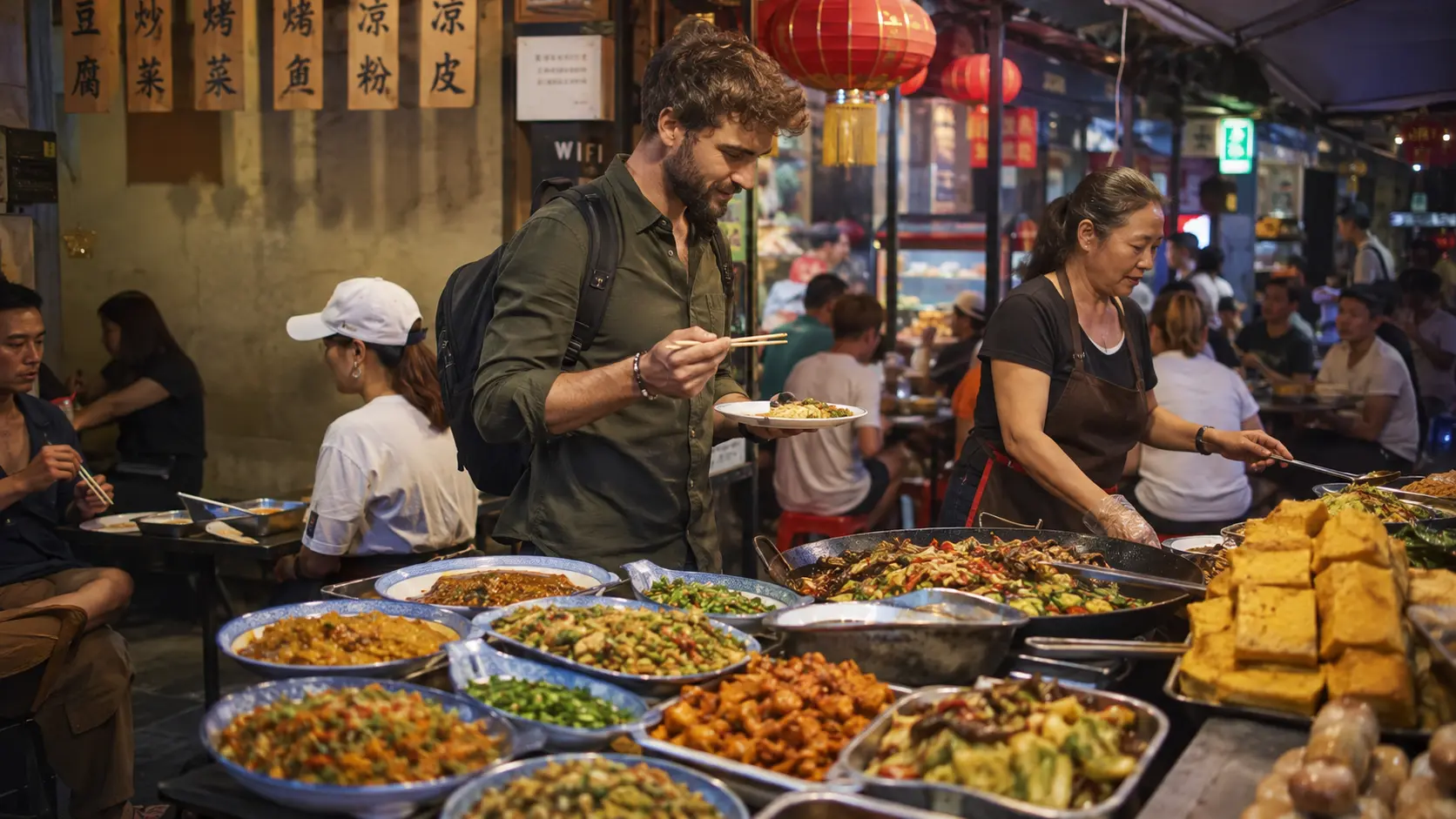
2. Street food tourism
Travelers increasingly want food that feels connected to everyday local life.
That can mean:
- food stalls;
- night markets;
- bakeries;
- small family restaurants;
- roadside vendors;
- neighborhood cafés.
The attraction isn’t necessarily luxury.
It is authenticity and accessibility.
3. Food markets as attractions
Markets combine several elements travelers increasingly value:
- food;
- people;
- culture;
- photography;
- local products;
- history.
A food market can therefore become an attraction comparable to a museum or historic district.
4. Cooking classes
Cooking classes turn food tourism from passive consumption into participation.
Instead of merely eating a regional dish, travelers learn how to make it.
That creates a stronger memory—and something tangible to take home.
5. Farm-to-table experiences
Travelers are increasingly interested in understanding where food comes from.
That can mean visiting:
- farms;
- vineyards;
- olive groves;
- tea plantations;
- fisheries;
- cheese producers;
- coffee farms.
The experience becomes:
ingredient → producer → preparation → meal
rather than simply:
restaurant → plate
6. Food festivals
Food festivals can turn a specific dish or regional product into a travel event.
For travelers, this creates a useful combination:
food + culture + entertainment + timing
Instead of visiting whenever they happen to be nearby, people can plan an entire trip around the festival.
Why authentic local food matters so much
The appeal of food tourism is not simply taste.
It is context.
A dish eaten in its place of origin can feel different because travelers understand:
- where the ingredients came from;
- why the dish exists;
- who traditionally makes it;
- how it evolved;
- when it is eaten;
- what it means to local communities.
That is why food tourism overlaps so strongly with cultural tourism.
The meal becomes a story.
Food can now determine the destination
Imagine two cities.
Both have attractive architecture, museums and hotels.
But one is famous for a specific cuisine you’ve always wanted to experience.
For a food-motivated traveler, that can settle the decision.
The destination becomes secondary to the culinary experience.
This is why the World Food Travel Association’s 2026 research is particularly relevant: it found that food and drink have an average 8.2/10 importance among travelers when choosing a destination.
That is a remarkably strong signal that food is not merely part of the holiday.
For many travelers, it helps determine where the holiday happens.
Is food tourism only for serious foodies?
No.
A culinary traveler does not have to be someone who follows restaurant rankings or understands fine dining.
Food tourism can be as simple as:
- searching for the best local breakfast;
- visiting a traditional market;
- trying regional street food;
- taking a coffee tour;
- learning to make a local dish;
- visiting a family-run restaurant.
The common factor is curiosity.
The traveler wants to understand a destination through what people there eat and drink.
Food tourism is moving beyond luxury dining
One important misconception is that culinary travel means expensive restaurants.
It doesn’t.
Some of the most compelling food experiences can be inexpensive:
Street food
Local bakeries
Markets
Small family restaurants
Regional snacks
Local cafés
Food stalls
In fact, inexpensive food can sometimes provide a more direct connection to everyday life than high-end dining.
That makes food tourism accessible to a much wider range of travelers.
Why food tourism can create a deeper travel experience
A landmark tells you what a place looks like.
Food can tell you how a place lives.
Consider a traditional meal.
You can potentially learn about:
- local agriculture;
- family traditions;
- religious practices;
- seasonal ingredients;
- migration;
- trade routes;
- regional identity.
That makes culinary travel particularly valuable for travelers who have already experienced conventional sightseeing and want something more immersive.
The rise of “food-first” itineraries
A food-first itinerary might look completely different from a conventional vacation.
Traditional city trip
Day 1: Landmark → museum → shopping → restaurant
Food-first trip
Day 1: Historic market → regional breakfast → cooking class → neighborhood food walk
Day 2: Local bakery → producer visit → street-food market → destination restaurant
Day 3: Coffee experience → regional specialty → food museum → final tasting
The destination is still being explored.
But food provides the framework.
Can food tourism benefit local communities?
It can, particularly when spending reaches local producers and businesses.
Food tourism can connect travelers with:
- farmers;
- chefs;
- family businesses;
- artisans;
- market vendors;
- food producers;
- local guides.
That can spread tourism spending beyond major hotels and conventional attractions.
The World Food Travel Association specifically positions gastronomy tourism as relevant to destinations, tourism organizations and hospitality businesses seeking more resilient tourism economies.
But responsible food tourism matters.
Travelers should consider whether experiences:
- support local businesses;
- respect cultural traditions;
- avoid exploiting communities;
- use sustainable sourcing where possible;
- treat local food culture respectfully.
Could food tourism cause problems?
Yes.
Popularity can create pressure.
A small neighborhood restaurant can become overwhelmed if social media sends huge numbers of tourists to it.
Traditional dishes can also become commercialized or simplified to appeal to visitors.
And destinations can face the same overtourism problems seen elsewhere.
That means successful food tourism requires a balance:
More visitors ≠ automatically better tourism.
The goal should be meaningful visitor experiences alongside sustainable benefits for local communities.
How social media is changing culinary travel
Food is unusually compatible with platforms built around visual discovery.
A traveler can see a dish in a 15-second video and immediately want to know:
Where is this?
What is it called?
How much does it cost?
Can I try it?
How do I get there?
This compresses the journey from inspiration to booking.
It also creates a new type of destination marketing:
The dish becomes the advertisement.
A famous food can generate curiosity about an entire city or region.
What does food tourism mean for hotels and destinations?
The trend creates an opportunity for destinations to market themselves around culinary identity, not just attractions.
Instead of promoting:
“Come visit our beautiful city.”
A destination can say:
“Come taste what makes our city different.”
Hotels can participate too through:
- local breakfast programs;
- chef-led experiences;
- market tours;
- cooking workshops;
- partnerships with nearby producers.
The broader lesson is that food can become part of the entire travel ecosystem.
How to plan a food-focused trip in 2026
If you’re interested in trying food tourism yourself, don’t simply create a list of restaurants.
Build an experience map.
Step 1: Pick a food theme
For example:
- street food;
- coffee;
- wine;
- regional cuisine;
- seafood;
- desserts;
- traditional cooking.
Step 2: Research local specialties
Find dishes that are genuinely associated with the destination.
Step 3: Mix famous and local places
Don’t spend the entire trip at highly ranked tourist restaurants.
Include neighborhood businesses and markets.
Step 4: Add one hands-on experience
A cooking class, farm visit or food workshop can make the trip more memorable.
Step 5: Leave room for discovery
Don’t reserve every meal.
Some of the best food experiences happen when travelers follow a local recommendation.
Step 6: Research food traditions
Understanding the history behind a dish can make eating it far more interesting.
Food tourism vs culinary tourism: Are they different?
The terms are often used interchangeably.
Food tourism is generally the broader consumer-friendly term.
Culinary tourism often emphasizes intentional food and beverage experiences, including cooking, tasting, production and cultural activities.
In everyday travel writing, both can describe a trip where food plays a significant role in the travel experience.
What will food travel look like next?
The next stage may be even more personalized.
AI is already appearing in food-travel research and planning. The World Food Travel Association’s 2026 Food Travel Monitor specifically includes a section examining AI tools in travel and how travelers use them around food experiences.
That could lead to itineraries such as:
“I have three days in Delhi, I don’t eat meat, I love spicy food, I want traditional local dishes and I have a ₹5,000 daily food budget.”
An AI travel planner could potentially build a food itinerary around those constraints.
That makes food tourism intersect with another major travel trend:
personalized AI trip planning.
The bigger change: Travelers are choosing the “why” before the “where”
This may be the most important takeaway from the 2026 trend.
GetYourGuide’s research says today’s trips are increasingly driven by why people travel, rather than simply where they go. Its “Snackpackers” category is one example of that broader shift.
The same logic can apply to:
- music;
- sports;
- wellness;
- nature;
- photography;
- art;
- food.
Food simply happens to be one of the easiest passions to turn into a complete travel itinerary.
“Source used”
https://www.getyourguide.com/explorer/travel-inspiration/2026-hidden-travel-trends/
https://www.worldfoodtravel.org/2026-food-travel-monitor
The bottom line
The food tourism trend 2026 is not simply about more people booking restaurant reservations.
It reflects a larger change in travel behavior.
Food is increasingly becoming a travel motivation, a way to discover culture and, for some travelers, the primary reason for choosing a destination.
GetYourGuide reports a 23% year-over-year increase in food-tour bookings, while the World Food Travel Association’s 2026 research finds that travelers rate food and drink as highly important when choosing where to travel.
The result is a new kind of itinerary:
The destination isn’t necessarily the main attraction anymore.
The food can be.
And as travelers increasingly plan trips around dishes, markets, chefs, farms, festivals and local food traditions, the line between traveling somewhere and traveling for something to eat is becoming increasingly blurred.
related article/topic: HNN24x7’s broader 2026 travel-trends roundup covering food tourism, peak creeping, AI travel planning and other emerging traveler behaviors.
FAQ
What is food tourism?
Food tourism is travel where food, drink and culinary experiences play a significant role in choosing or experiencing a destination. It can include restaurants, street food, markets, cooking classes, farms, festivals and local food traditions.
Why is food tourism growing in 2026?
Travelers are increasingly seeking immersive experiences, and food provides a direct way to connect with local culture. GetYourGuide reported a 23% year-over-year increase in food-tour bookings in its 2026 data.
What are the biggest food travel trends in 2026?
Major trends include food-first itineraries, street-food tourism, food markets, cooking classes, farm experiences, food festivals and selecting destinations based on their culinary identity.
Is food tourism only about expensive restaurants?
No. Food tourism includes street food, markets, bakeries, cafés, family restaurants, local producers and traditional food experiences.
What is culinary travel?
Culinary travel is travel motivated by food and beverage experiences, including tasting, cooking, learning about local cuisine and visiting producers.
Why do people travel specifically for food?
Food can provide a direct connection to a destination’s culture, history, traditions and people. For some travelers, experiencing that food culture is more important than conventional sightseeing.
Can food determine where someone travels?
Yes. The World Food Travel Association’s 2026 Food Travel Monitor reports an average food-and-drink importance score of 8.2/10 among surveyed travelers choosing destinations.
What are “Snackpackers”?
“Snackpackers” is GetYourGuide’s term for travelers who make food a central purpose of their trip and plan itineraries around culinary experiences.
How can I plan a food-focused vacation?
Choose a culinary theme, research regional specialties, combine famous restaurants with local markets and small businesses, add a hands-on experience such as a cooking class, and leave some meals open for spontaneous discoveries.
Is food tourism sustainable?
It can be, particularly when tourism spending reaches local producers and businesses, but popular food destinations can also face overcrowding and commercialization. Responsible tourism should support local communities and respect food traditions.
“Must Read”